
Start by disinfecting personal hygiene areas like sinks, handwashing stations, and bathroom surfaces since these are high-touch zones where germs tend to gather. Focus on cleaning and sanitizing frequently touched surfaces such as door handles, light switches, and shared devices to prevent cross-contamination. Make certain of proper airflow and ventilation to improve air quality. Keeping these areas clean creates a safer environment, and if you keep going, you’ll discover more ways to maintain a healthy recovery space.
Key Takeaways
- Prioritize cleaning and disinfecting personal hygiene areas like sinks and bathroom surfaces first.
- Focus on high-touch surfaces such as door handles, light switches, and remote controls.
- Disinfect frequently used medical equipment immediately after each use.
- Improve air quality and ventilation to reduce airborne contaminants.
- Keep the environment clutter-free, vacuum, and sanitize floors and linens regularly.
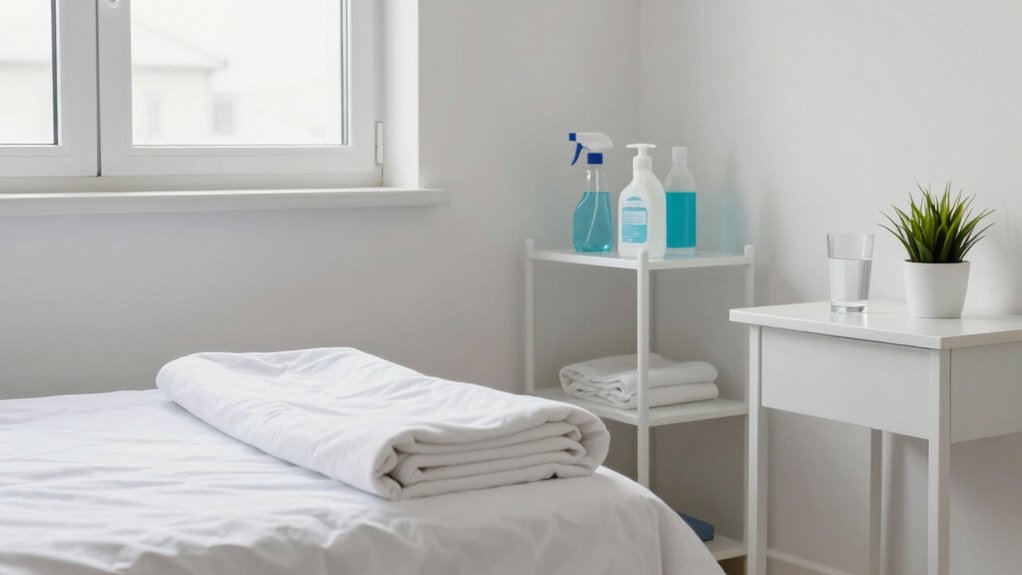
When managing a shared home recovery room, setting clear cleaning priorities is essential to guarantee everyone’s safety and comfort. Your first focus should be on the areas that directly impact health, starting with personal hygiene spaces. These include sinks, handwashing stations, and bathroom surfaces. Keeping these areas spotless prevents the spread of germs and ensures everyone can practice proper hygiene without risk. Regularly disinfect sinks, faucets, and soap dispensers, especially since these are high-touch surfaces. Encourage everyone to wash their hands thoroughly and frequently, reinforcing good hygiene habits that reduce infection chances.
Prioritize disinfecting sinks, handwashing stations, and bathroom surfaces to prevent germ spread and promote proper hygiene.
Next, prioritize cleaning and disinfecting medical equipment. This equipment is often used multiple times a day and can harbor bacteria, viruses, or fungi if not properly maintained. Items like thermometers, blood pressure cuffs, or oxygen masks should be cleaned after each use with appropriate disinfectants. Avoid neglecting less obvious but equally important tools, such as nebulizers or humidifiers. Proper sterilization minimizes infection risks and ensures that the equipment remains safe for repeated use. Remember, contaminated medical tools can spread infections quickly, so cleaning them thoroughly is a vital step in your routine. Regular disinfection protocols help maintain safe and hygienic conditions in shared spaces. Additionally, paying attention to air quality by ensuring proper ventilation can significantly reduce airborne contaminants, further supporting a safe environment.
Enhancing air circulation through proper ventilation also helps to reduce the concentration of airborne pathogens, contributing to overall safety. After addressing personal hygiene areas and medical equipment, shift your attention to frequently touched surfaces in the room. These include light switches, door handles, remote controls, and shared devices. Disinfecting these objects regularly prevents cross-contamination among residents. Use EPA-approved disinfectants and follow manufacturer instructions for effective germ elimination. Keep cleaning supplies accessible so that anyone can wipe down surfaces promptly, especially during times of increased vulnerability. Additionally, proper ventilation can help reduce airborne contaminants, further supporting a safe environment.
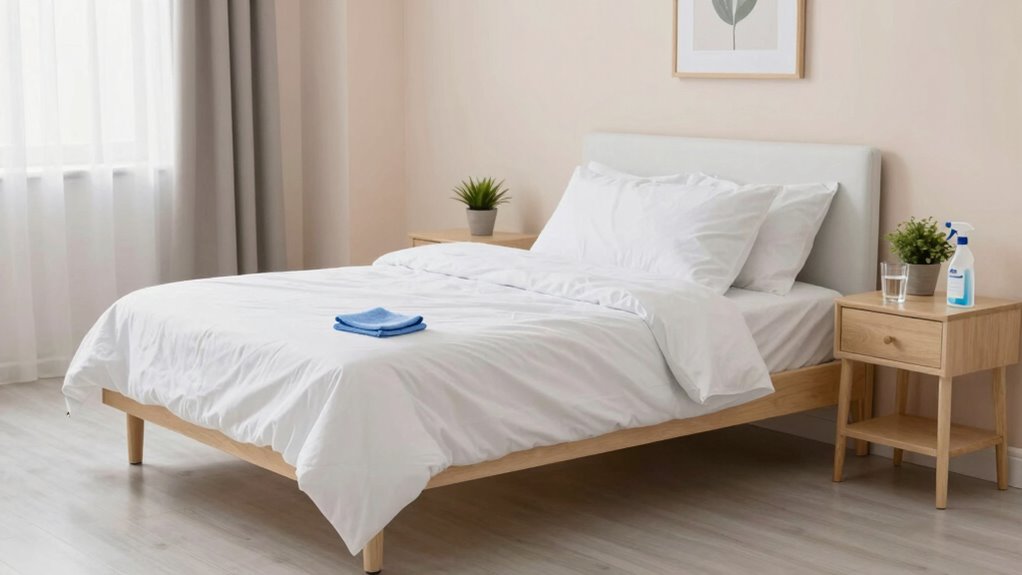
Finally, don’t overlook the importance of maintaining a clean and clutter-free environment. Regularly vacuum carpets, mop floors, and change linens to reduce dust, allergens, and potential hiding spots for bacteria. Maintaining a clean environment is essential for preventing the buildup of germs and promoting health. By maintaining overall cleanliness, you promote a healthier environment that supports recovery and reduces the likelihood of infection. Prioritizing these cleaning tasks ensures that the shared recovery space remains safe, hygienic, and comfortable for everyone involved. Remember, consistency is key—sticking to a routine minimizes risks and helps everyone feel confident that their health is protected.

Professional Disposables Surface Disinfectant Super Sani-Cloth Wipes, 160Count
- Effective Germicidal Formula: 55.5% active germicidal agents including quat and alcohol
- Material-Friendly Design: Neutral pH prevents material degradation
- Fast-Acting Disinfection: Kills bacteria, viruses, fungi in 2 minutes
As an affiliate, we earn on qualifying purchases.
As an affiliate, we earn on qualifying purchases.
Frequently Asked Questions
How Often Should Shared Recovery Rooms Be Disinfected?
You should disinfect shared recovery rooms at least daily to combat airborne pathogens and prevent infection spread. Regular surface sterilization is essential, especially on frequently touched objects like doorknobs, bedrails, and medical equipment. After each patient use, clean thoroughly to reduce contamination risks. Consistent cleaning guarantees a safer environment, minimizes the chances of infection, and supports quicker recovery for everyone sharing the space.
What Cleaning Supplies Are Safest for Shared Spaces?
You might worry about safety, but using safe cleaning products and non-toxic disinfectants guarantee everyone stays protected. Opt for products labeled as eco-friendly or free from harsh chemicals. These are gentle yet effective, reducing the risk of irritation or allergic reactions. Always read labels carefully, and choose solutions approved for shared spaces, so you can clean thoroughly without compromising health or safety.
How Do You Handle Individual Hygiene Items in Shared Rooms?
You should handle individual hygiene items in shared rooms by encouraging everyone to store their personal hygiene routines securely. Use designated storage solutions like labeled bins or containers for each person’s items, ensuring they’re easily accessible but separate. Regularly remind everyone to clean and disinfect their personal items and storage areas, maintaining hygiene and reducing cross-contamination risks in the shared recovery space.
What Are Effective Ways to Prevent Cross-Contamination?
Think of your shared recovery room as a fortress, where preventing cross-contamination is your top priority. You prevent it by practicing consistent hand hygiene and surface sanitization. For example, after touching shared items, wash your hands thoroughly, like washing away dirt from a window. Regularly disinfect high-touch surfaces guarantees germs don’t spread. These small actions create a safe environment, protecting everyone’s health and speeding recovery.
Who Should Be Responsible for Cleaning in Shared Recovery Areas?
You should establish clear responsibility assignments for cleaning in shared recovery areas, ensuring everyone knows their role. Creating cleaning schedules helps maintain consistency and accountability. Assign tasks based on individual availability and expertise, and rotate responsibilities regularly to prevent burnout. By setting clear expectations and sticking to the schedule, you foster a clean, safe environment, reducing cross-contamination risks and promoting shared accountability in maintaining hygiene standards.
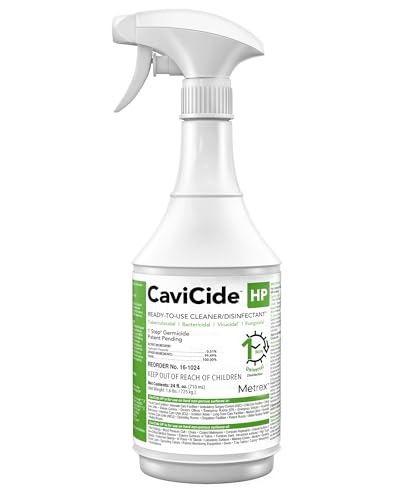
Metrex CaviCide HP Hydrogen Peroxide Disinfectant Spray – Kills Norovirus, MRSA, TB & Flu in 1 Minute – EPA-Registered Hospital-Grade Cleaner for Medical, Dental, Salon & Vet – 24 fl oz, 1 Count
- Fast-acting Disinfection: Kills Norovirus, MRSA, TB & Flu in 1 minute
- EPA-Registered, Broad Spectrum: Covers 70+ pathogens including drug-resistant strains
- Hospital-Grade Safety: Low toxicity, no PPE needed, no harsh fumes
As an affiliate, we earn on qualifying purchases.
As an affiliate, we earn on qualifying purchases.
Conclusion
Remember, in a shared home recovery room, tackling the high-touch surfaces first keeps everyone safe—think doorknobs, light switches, and shared equipment. Don’t forget to wipe down the bed and surrounding areas last, just like a true nurse in an old-time hospital. By following these priorities, you’ll create a cleaner, more comfortable space for everyone to heal and rest. So, roll up your sleeves and get started—your diligent efforts will make all the difference!

Levoit Air Purifiers for Bedroom Home Pets Dorm Room, Small Air Purifiers
- Certified for Performance and Safety: AHAM verified for quality assurance
- Captures Pollutants Effectively: Filters lint, pet dander, smoke, and dust
- Reduces Odors and Fumes: Neutralizes smoke, odors, and fumes
As an affiliate, we earn on qualifying purchases.
As an affiliate, we earn on qualifying purchases.

Theochem Nutra-Max Hospital Grade Disinfectant Concentrate, 1 Gallon
- EPA Registered Hospital-Grade: Kills 99.9% of viruses and bacteria
- Concentrated Disinfectant: Makes 32 gallons of cleaner from 1 gallon
- Cost-Effective Solution: 99% cheaper than ready-to-use products
As an affiliate, we earn on qualifying purchases.
As an affiliate, we earn on qualifying purchases.