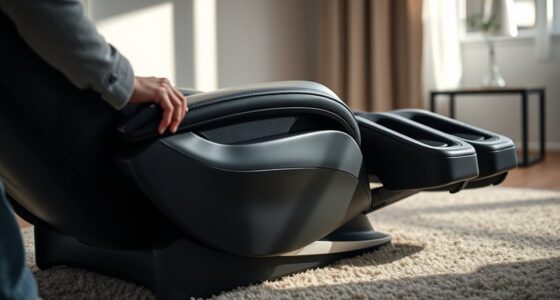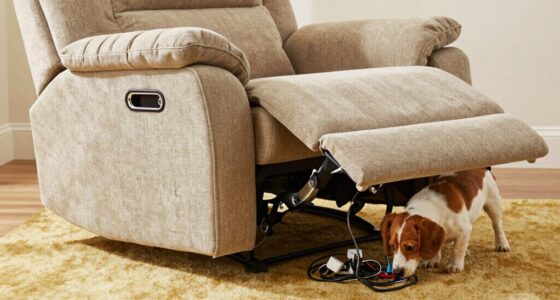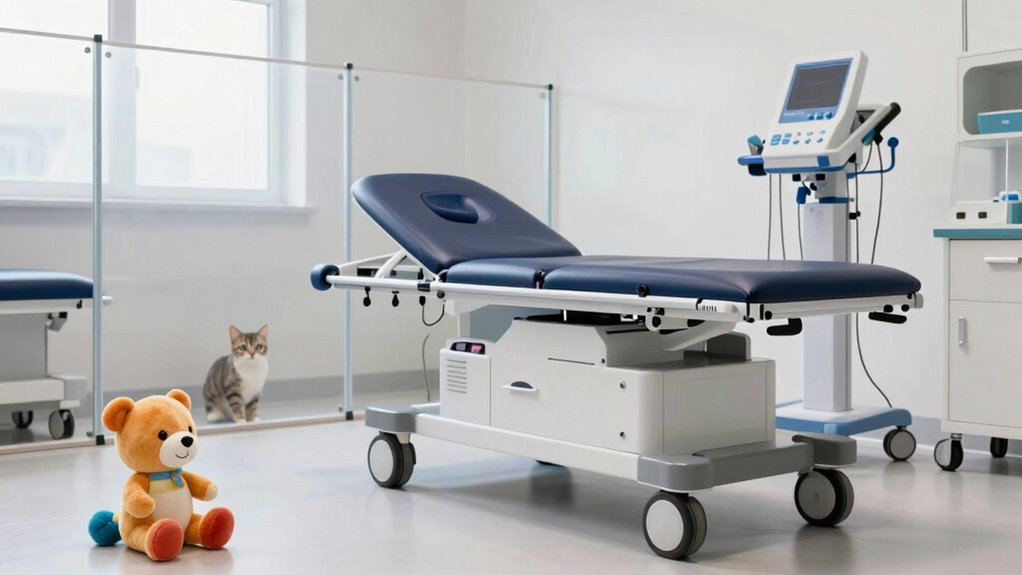

To keep pets and children safe from moving recovery equipment, establish clear safety zones away from work areas using barriers like cones, caution tape, or fencing. Supervise children closely, keeping them within sight, and use leashes or secure pets indoors. Post warning signs and explain hazards to kids, emphasizing that machinery isn’t a toy. Regularly check boundaries and stay vigilant—learning more about effective safety measures can help you prevent accidents and guarantee everyone’s protection.

Get wellness gear delivered free with Prime
- Fast, free delivery on millions of items
- Prime Video, Amazon Music and more included
- Member-only deals all year
Key Takeaways
- Establish clearly marked safety zones with barriers and signage to keep pets and children at a safe distance.
- Supervise children closely and keep pets inside or in secure areas away from recovery equipment.
- Use physical restraints like leashes or harnesses for pets near machinery.
- Turn off and secure recovery equipment when not in use, and lock or park machinery in designated safe zones.
- Educate family members and children about the dangers of recovery equipment and enforce safety rules consistently.
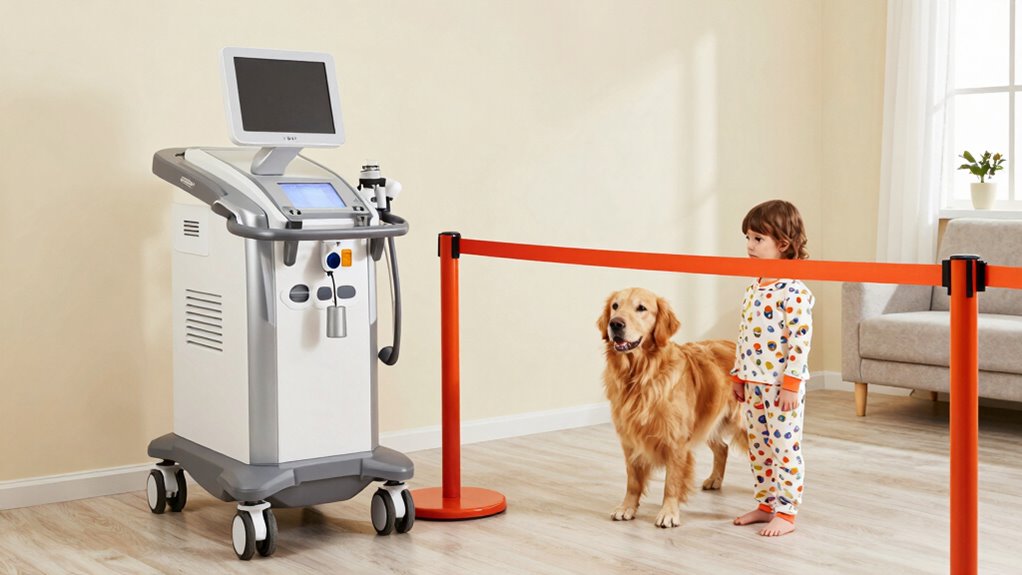
When moving recovery equipment is in use, keeping pets and children at a safe distance is essential for their safety. These heavy and often complex machines can be dangerous if misused or accidentally activated. Your priority should be to prevent any contact that could lead to injuries. To do this effectively, you need to establish clear boundaries and ensure pet safety and child supervision are maintained at all times.
Start by creating a designated safety zone away from the equipment. Use barriers such as caution tape, cones, or temporary fencing to physically block access. Make sure this zone is well-marked and visible so that both pets and children recognize it as off-limits. When supervising children, stay close and keep a watchful eye on their movements. Children are naturally curious and may try to touch or explore the equipment, so constant supervision is key to preventing accidents.
Create a visible safety zone with barriers and supervise children closely to prevent accidents around recovery equipment.
For pet safety, consider using a leash or harness if your pet is nearby. This helps control their movement and prevents them from wandering into danger. If possible, keep pets inside the house or in a secure room away from the work zone. Inform family members or anyone present about the importance of keeping pets away from the equipment at all times. When pets are left unsupervised, they might become anxious or curious and attempt to investigate the machinery, which could lead to injuries or damage.
Communication plays a vital role in safety. Clearly mark the area with warning signs and explain to children the importance of staying away from the equipment. Reinforce that the machinery is not a toy and that touching or tampering with it is risky. If you have multiple children, establish rules beforehand and remind them frequently to stay within safe zones. Additionally, educating family members about the importance of safety precautions related to equipment can help prevent accidents. It’s also helpful to familiarize everyone with the proper operation of the machinery to minimize accidental activation. Being aware of the potential hazards associated with recovery equipment can further enhance safety measures. Incorporating safety training can significantly reduce the risk of mishaps and improve overall safety awareness. Regularly reviewing safety procedures and emergency protocols ensures everyone knows how to respond quickly if an incident occurs.
In addition, always turn off and secure the equipment when not in use. If the recovery equipment is mobile, ensure it is parked in a safe, designated area and locked if necessary to prevent accidental movement. Regularly check the boundaries and barriers you’ve set up to ensure they remain intact and effective throughout the operation.
Products Worth Considering

Levoit Core 300S-P Smart Wi-Fi Air Purifier

Therabody JetBoots Prime Wireless Compression Boots – Short (under 29 inseam)

Therabody Theragun Prime 6th Generation Deep Tissue Massage Gun, Navy
As an affiliate, we earn on qualifying purchases.
Frequently Asked Questions
Are There Specific Safety Guidelines for Different Types of Recovery Equipment?
Yes, there are specific safety guidelines for different types of recovery equipment. You should always follow manufacturer instructions for equipment maintenance and hazard prevention. Regularly inspect tools for damage, guarantee safety guards are in place, and keep all safety devices functional. Proper training on each piece of equipment is essential to prevent accidents. By adhering to these guidelines, you protect yourself, others, and avoid unnecessary hazards during recovery operations.
How Often Should Safety Barriers Be Inspected and Replaced?
You should inspect safety barriers regularly, ideally every month, to guarantee barrier materials are intact and functioning properly. Frequent inspections help identify wear, damage, or deterioration early. Replace barriers promptly if you notice cracks, tears, or weakened sections to maintain safety. Consistent inspection frequency is essential for keeping pets and children safe around recovery equipment, preventing accidental access, and assuring the barriers effectively serve their protective purpose.
What Signs Indicate a Pet or Child Has Accessed the Equipment?
Like footprints in fresh snow, signs that a pet or child accessed recovery equipment include paw prints or footprints near the area. You’ll also notice unusual objects, such as displaced safety barriers or opened enclosures. Regular pet supervision and child proofing measures help prevent access. If you see these signs, it’s a clear indication that you need to reinforce safety barriers and keep a closer eye on your little explorers.
Can Safety Alarms Help Alert When Pets or Children Approach?
Yes, safety alarms can effectively alert you when pets or children approach recovery equipment. Installing alarm systems with pet containment features helps guarantee they stay away. These alarms activate when movement is detected near the equipment, giving you quick warnings to prevent accidents. Regularly check and maintain the alarm systems to ensure they work correctly, so you can confidently keep your loved ones safe around moving recovery equipment.
Are There Legal Requirements for Securing Recovery Equipment in Public Areas?
They say, “An ounce of prevention is worth a pound of cure.” Legally, you must guarantee recovery equipment in public areas to meet legal compliance standards and reduce liability concerns. Failing to do so can result in fines or legal action if someone gets injured. Make sure your equipment is properly stored, marked, and protected to avoid accidents and ensure you’re meeting all safety regulations and legal obligations.
Conclusion
Think of your recovery equipment as a delicate treasure chest—valuable and vulnerable. Just like a guardian keeps a treasure safe from curious hands or mischievous eyes, you must create a safe perimeter around your equipment. By setting clear boundaries and staying vigilant, you’re the steadfast protector, ensuring your pets and children don’t accidentally stumble into harm’s way. With your watchful eye, your recovery process remains a secure journey, free from unexpected surprises.