
To reduce noise from your chairs and recliners in apartments, start by adding felt pads or furniture sliders under legs to absorb vibrations and facilitate smooth movement. Position furniture away from shared walls and use heavy curtains or bookcases to dampen sound. Incorporate soft furnishings like cushions and throws, and regularly maintain your recliner mechanisms with lubrication to prevent squeaks. Combining these strategies will considerably lower noise levels—keep exploring for more effective tips.
Listen free for 30 days with Audible
Thousands of audiobooks and originals — cancel anytime.
As an affiliate, we earn on qualifying purchases.
Key Takeaways
- Use felt pads or furniture glides under chair legs to absorb vibrations and reduce squeaks.
- Position furniture away from shared walls and windows to minimize sound transmission.
- Add cushions, throws, or fabric covers to soften contact points and dampen noise.
- Regularly lubricate recliner mechanisms and tighten loose parts to prevent squeaks.
- Incorporate acoustic panels or sound-absorbing materials around seating areas for enhanced noise reduction.
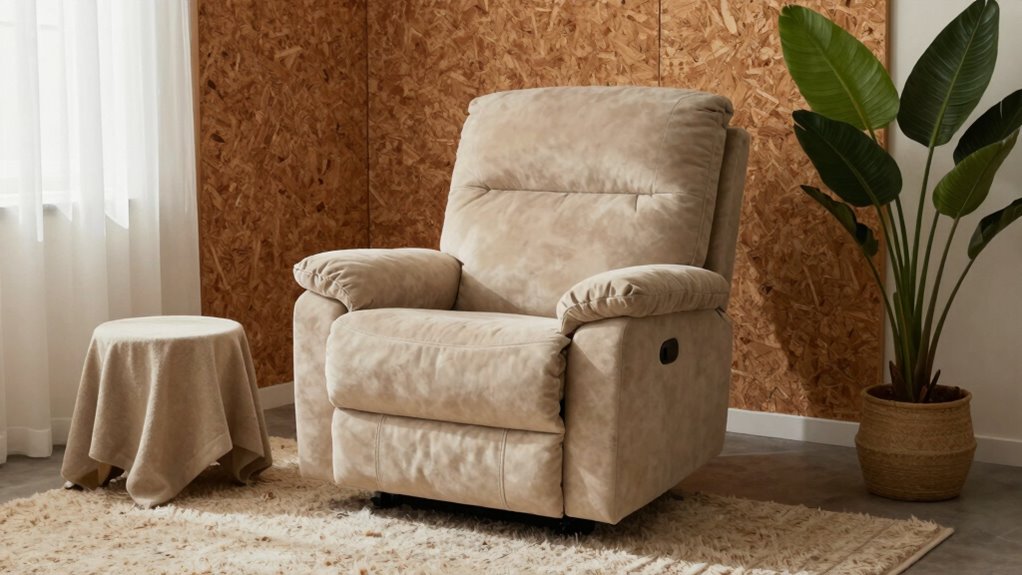
Living in an apartment often means dealing with noise, especially from chairs and recliners that creak or squeak during use. Whether you’re relaxing after a long day or entertaining guests, those sounds can disrupt your peace and disturb neighbors. Luckily, there are simple soundproofing techniques you can try to reduce noise, along with effective furniture placement strategies that minimize sound transmission.
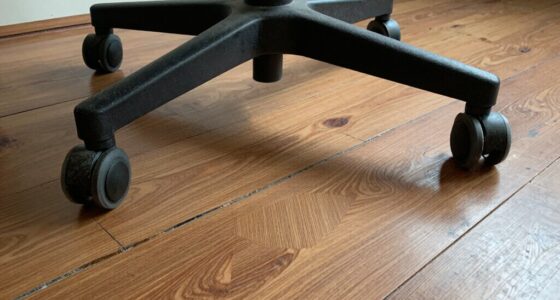
First, focus on soundproofing techniques that dampen the noise at its source. One of the most effective methods is to add felt pads or furniture glides under the legs of your chairs and recliners. These pads absorb vibrations whenever you sit or shift position, considerably reducing squeaks. You can also use furniture sliders to ease movement across the floor, preventing abrupt sounds that happen when furniture is dragged or shifted. Additionally, placing rugs or carpets under or around your seating helps absorb impact noise and vibrations, especially if your flooring is hardwood or tile. Thick, plush rugs are particularly good at muffling sounds, making every movement quieter.
Add felt pads and rugs to reduce chair squeaks and absorb impact noise effectively.
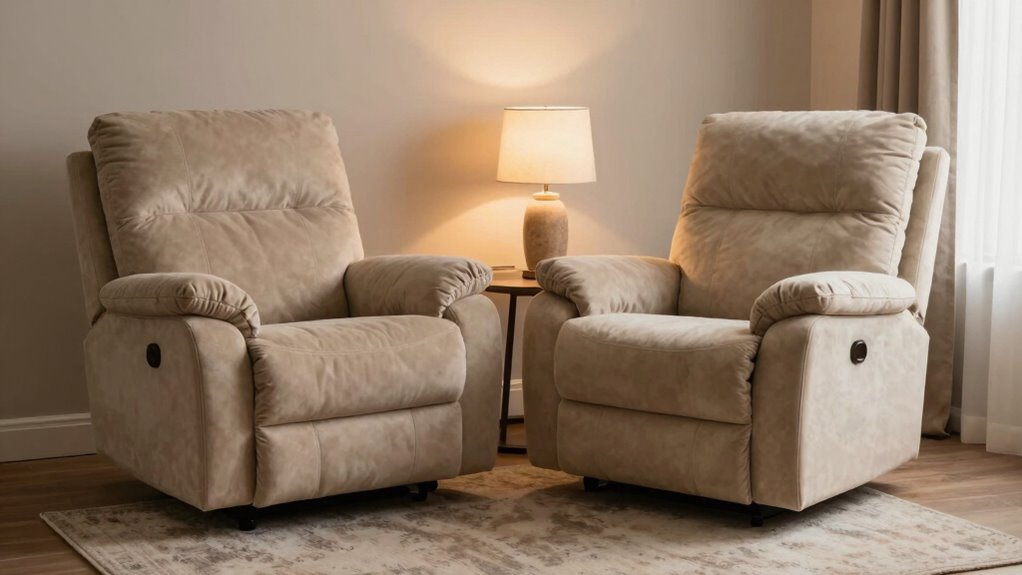
Along with soundproofing, employing furniture placement strategies can make a noticeable difference. Position your chairs and recliners away from shared walls or thin partitions where noise travels easily. If possible, keep your seating arrangements away from windows or walls that neighbor units or common areas, as these act as sound conduits. Placing your furniture near bookcases, wall units, or even heavy drapes can help absorb sound waves and reduce the amount of noise that escapes into neighboring units. You might also consider arranging your seating to face away from shared walls, so any noise generated is directed inward or toward less sensitive areas. Properly selecting furniture placement can significantly diminish sound transmission and create a more peaceful environment. Incorporating soundproofing techniques such as acoustic panels or foam inserts can further enhance the reduction of noise, especially in multi-unit living spaces.
Another smart move is to use soft furnishings to your advantage. Adding cushions, throws, or fabric covers to your chairs can dampen squeaks caused by friction or movement. These textiles absorb some of the vibrations and decrease the likelihood of noise. For recliners, ensure that the mechanisms are well-maintained and lubricated, as squeaks often come from friction in moving parts. Regular maintenance can often eliminate or lessen these sounds. Additionally, soundproofing materials like acoustic panels or foam inserts can further absorb unwanted noise if you want a more comprehensive solution.
As an affiliate, we earn on qualifying purchases.
Frequently Asked Questions
Are There Specific Materials That Naturally Reduce Noise?
Yes, certain materials naturally reduce noise. Choose chairs with ideal fabric like microfiber or dense woven textiles, which absorb sound better than slick surfaces. Adding acoustic panels around your setup also helps dampen noise and echo. These materials and accessories work together to create a quieter environment, making your apartment more peaceful and comfortable. By choosing the right fabrics and installing acoustic panels, you can effectively minimize noise disruptions.
Can I Use Household Items to Dampen Chair Noise?
Did you know that over 60% of noise issues come from furniture rubbing or squeaking? You can use household items like furniture pads or rubber linings to dampen chair noise. Simply apply furniture pads under the legs or add rubber linings to contact points. These inexpensive solutions absorb vibrations, reduce squeaks, and keep your apartment peaceful, making your furniture quieter without needing specialized tools.
How Often Should I Inspect My Chair for Noise Issues?
You should inspect your chair regularly, ideally once a month, to catch noise issues early. Follow a maintenance schedule that includes checking for loose screws, worn-out pads, or squeaky joints. Use noise detection methods like listening closely while moving the chair or feeling for vibrations. Regular inspections help maintain quiet operation and prevent larger problems, ensuring your chair stays peaceful and comfortable over time.
Do Recliners With Built-In Soundproofing Exist?
Recliners with built-in soundproofing are rare, but you can upgrade your setup easily. You might add soundproofing fabrics or acoustic panels around your chair to absorb noise and minimize disturbance. Using soundproofing fabrics on cushions or the chair’s exterior helps reduce squeaks and creaks. Acoustic panels placed nearby can dampen sound transmission. These DIY solutions make your recliner quieter without needing specialized, built-in noise-canceling features.
What Are Quick Fixes for Squeaky Recliner Joints?
Sure, squeaky joints can be a charm—if you’re into that squeaking soundtrack! To fix it quickly, start by applying frame lubrication to the joints, which often squeak due to friction. Check your leather cushions to verify they’re not causing additional noise or rubbing. Sometimes, a simple tighten of screws or applying a bit of WD-40 can silence the squeaks, giving your recliner a new lease on peace and quiet.
As an affiliate, we earn on qualifying purchases.
Conclusion
By mastering these noise-reduction tips, you can transform your apartment into a haven of tranquility, much like a well-orchestrated symphony where every note is perfectly tuned. Remember, a quiet space isn’t just about silence but about creating harmony between comfort and serenity. With a little effort, your chair and recliner setup will become the quiet retreat you’ve always envisioned—more sanctuary than disturbance, echoing the timeless pursuit of peace amid the chaos.
As an affiliate, we earn on qualifying purchases.
As an affiliate, we earn on qualifying purchases.
Flea & tick season Picks
flea and tick prevention
As an affiliate, we earn on qualifying purchases.