To protect your tile, wood, and vinyl floors from heavy chairs, use felt pads or heavy-duty furniture protectors. Felt pads work well on delicate surfaces like wood and vinyl to prevent scratches, while rubber or silicone mats are great for tile floors, absorbing impact and preventing cracks. For extra coverage, opt for larger mats or furniture pads that distribute weight evenly. Keep in mind, the right choice can help keep your floors looking new—more tips ahead.

Get wellness gear delivered free with Prime
- Fast, free delivery on millions of items
- Prime Video, Amazon Music and more included
- Member-only deals all year
Key Takeaways
- Use thick rubber or felt pads to evenly distribute weight and prevent floor dents or scratches.
- Opt for silicone mats on tile and vinyl floors for cushioning and impact absorption.
- Choose larger furniture pads to cover more area and provide comprehensive protection.
- Regularly inspect and replace worn protectors to maintain effective floor safeguarding.
- Ensure protectors have non-slip features to prevent movement and enhance safety.
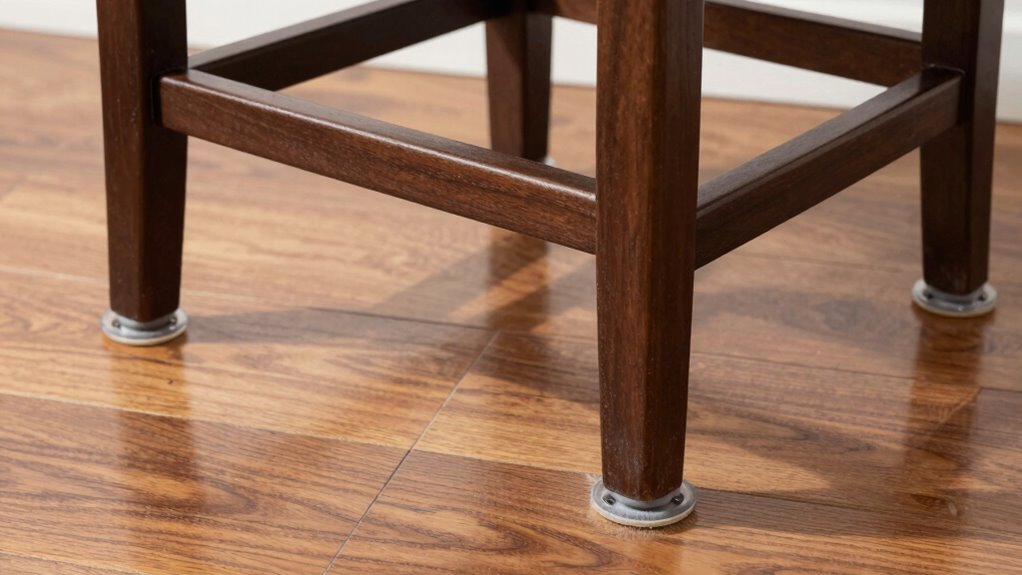
Heavy chairs can easily damage your floors over time, especially on tile, wood, or vinyl surfaces. The constant pressure and movement from a heavy chair can cause scratches, dents, and even permanent marks. To prevent this damage, you need an effective way to distribute the weight and reduce friction. That’s where a chair pad or a floor protector comes into play. A good chair pad acts as a barrier between the chair and the floor, absorbing some of the impact and preventing scratches or gouges. Whether you prefer a simple felt pad or a more durable rubber or silicone option, these protectors are essential for preserving your flooring’s appearance.
Choosing the right floor protector depends on your flooring type. For hardwood or vinyl floors, a soft, non-slip pad made from felt or thick rubber can help prevent sliding and reduce noise. Felt pads are gentle and won’t scratch delicate surfaces, making them a popular choice. Rubber-based pads, on the other hand, provide excellent grip and stability, helping to keep the chair in place. For tile floors, a sturdy rubber or silicone mat can be particularly effective, especially if your chair tends to be moved frequently. These materials offer a non-slip surface and cushion the impact of heavy chairs, preventing tiles from cracking or chipping. Additionally, using floor protectors made from durable materials can extend their lifespan and improve overall protection. Regularly inspecting and replacing worn protectors is crucial to ensure ongoing protection for your floors.
If you want to go the extra mile, consider using a larger floor protector, such as a mat or a dedicated furniture pad that covers a bigger area. This not only protects the immediate spot under the chair but also shields the surrounding floor from scuffs and scratches. For added durability, some protectors come with a textured surface that minimizes slipping, which is especially useful if you have kids or pets around. Using floor protection thoughtfully can significantly prolong the life of your flooring and reduce maintenance costs. It’s also helpful to choose protectors with non-slip features to prevent accidents on smooth surfaces.
Using a chair pad or floor protector is a simple, cost-effective way to extend the life of your floors. It helps you avoid costly repairs or refinishing jobs down the line. Plus, it keeps your living space looking cleaner and more polished. By taking a few minutes to select the right protector and keeping it in good condition, you guarantee that your floors stay beautiful and scratch-free, no matter how heavy or frequently used your chairs are.
Products Worth Considering

Blueair Blue Pure 211i Max Smart Air Purifier for Large Rooms

Fitbit Edge Activity Tracker – Silver/Fog – Small & Large Bands

Levoit Core 600S-P Smart Air Purifier for Large Rooms
As an affiliate, we earn on qualifying purchases.
Frequently Asked Questions
Can I Use Felt Pads on All Types of Heavy Furniture?
You can generally use felt pads on all types of heavy furniture, but for furniture rearrangement and pad maintenance, consider the weight and surface. Heavy pieces may crush thin felt pads, reducing their effectiveness. Opt for thicker, high-quality pads designed for heavy furniture, and regularly check and replace them to prevent damage. Properly maintained felt pads will protect your floors and make furniture easier to move without causing scratches or dents.
How Often Should I Replace Protective Pads Under Chairs?
You should replace protective pads under chairs every 6 to 12 months to maintain chair stability and pad longevity. Over time, pads wear down, reducing their ability to prevent scratches and protect your floors. Regularly inspect them for signs of damage or thinning, and replace as needed. This guarantees your furniture remains stable and your floors stay protected, keeping your space looking fresh and well-maintained.
Are There Eco-Friendly Options for Heavy Furniture Protectors?
Yes, you can find eco-friendly protectors made from recyclable materials and biodegradable options. Look for pads made from cork, bamboo, or recycled rubber, which are sustainable and gentle on your floors. These options minimize environmental impact while protecting your surfaces from heavy furniture. By choosing biodegradable or recyclable protectors, you support eco-conscious living and help reduce waste, ensuring your home stays stylish and environmentally friendly.
Will Using Pads Affect the Stability of Heavy Chairs?
Using pads under heavy chairs generally doesn’t affect chair stability if you choose the right ones. Look for pads with good adhesion to prevent slipping, which can actually improve stability. Avoid overly soft or thick pads that might cause wobbling. When properly selected and securely attached, pads help protect your floors without compromising chair stability. Always check that the pads stay in place and don’t slide for maximum safety.
Do Specific Materials Work Better for Certain Flooring Types?
They say “the right tool for the right job,” and that’s true for chair pads too. Different materials work better depending on your flooring. For tile and vinyl, softer pads like felt or rubber offer good cushioning effectiveness and protect surfaces. For hardwood, felt pads work well without scratching. Always consider flooring material compatibility to prevent damage and confirm stability—choosing the right pad is key for long-lasting protection.
Conclusion
Think of your floors as a cherished garden—delicate plants that need protection from heavy rain. Putting pads under your chairs is like installing a sturdy greenhouse, shielding your floors from scratches and dents. I once ignored this advice and learned the hard way when a heavy armchair left unsightly marks on my hardwood. Now, with simple pads, I keep my floors as pristine as a well-tended garden, ensuring they stay beautiful for years to come.