
When trying out heat, compression, and recline features for the first time, watch for any signs of discomfort like redness, excessive warmth, numbness, or tingling. Adjust the settings gradually and stop immediately if you feel pain, dizziness, or skin irritation. Make certain proper positioning and follow safety guidelines to prevent injuries. Paying close attention helps you use these features safely, and if you want to learn more about how to do it right, keep exploring further.

Get wellness gear delivered free with Prime
- Fast, free delivery on millions of items
- Prime Video, Amazon Music and more included
- Member-only deals all year
Key Takeaways
- Start with low heat and compression settings, gradually increasing to monitor comfort and avoid skin irritation.
- Always follow safety instructions, including proper positioning and use of safety features to prevent misuse.
- Pay attention to your body’s signals; stop use immediately if experiencing discomfort, numbness, or tingling.
- Recline slowly and carefully to prevent dizziness, strain, or falls, especially if unfamiliar with the chair’s functions.
- Consult a healthcare professional if you have underlying health conditions or concerns before using heat, compression, or recline features.

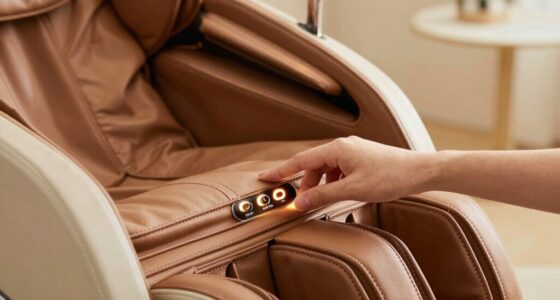
If heat, compression, and recline are new features on your massage chair, it’s important to understand how they work and what to expect. These features are designed to enhance your user experience, providing deeper relaxation and targeted relief. However, they also come with safety precautions you should be aware of to avoid discomfort or injury. Knowing how to operate them properly ensures you get the most benefit without risking adverse effects.
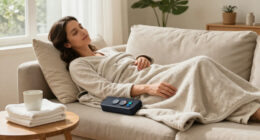
When you activate heat, it typically delivers soothing warmth to your muscles, helping to increase blood flow and reduce tension. While this feature is generally safe, you should pay attention to your body’s signals. If you notice excessive warmth, redness, or discomfort, turn off the heat immediately. Some individuals, especially those with sensitive skin or circulatory issues, might need to limit or avoid heat therapy altogether. Always consult the user manual or a healthcare professional if you’re unsure. Using heat in conjunction with compression can intensify relaxation, but it’s crucial to start with shorter sessions and lower intensity settings to gauge your tolerance. Overuse can lead to skin irritation or overheating, so moderation is key.
Activate heat carefully, watch for signs of discomfort, and always consult the manual or a professional if unsure.
Compression is another feature that works by applying controlled pressure to different parts of your body, mimicking a massage therapist’s kneading and squeezing movements. This can help improve circulation, reduce swelling, and relieve muscle soreness. To maximize safety and user experience, ensure the compression settings are appropriate for your comfort level. If you feel any pain, numbness, or tingling, turn off the compression immediately. People with certain health conditions like blood clots, varicose veins, or recent surgery should exercise extra caution and consult a healthcare provider before using compression features. Proper positioning matters too—make sure your body is aligned correctly, and the massage pads are placed properly to avoid discomfort or ineffective therapy. Additionally, understanding the safety features of your chair can help prevent accidents or misuse. Familiarizing yourself with operation instructions will further ensure a safe and enjoyable experience.
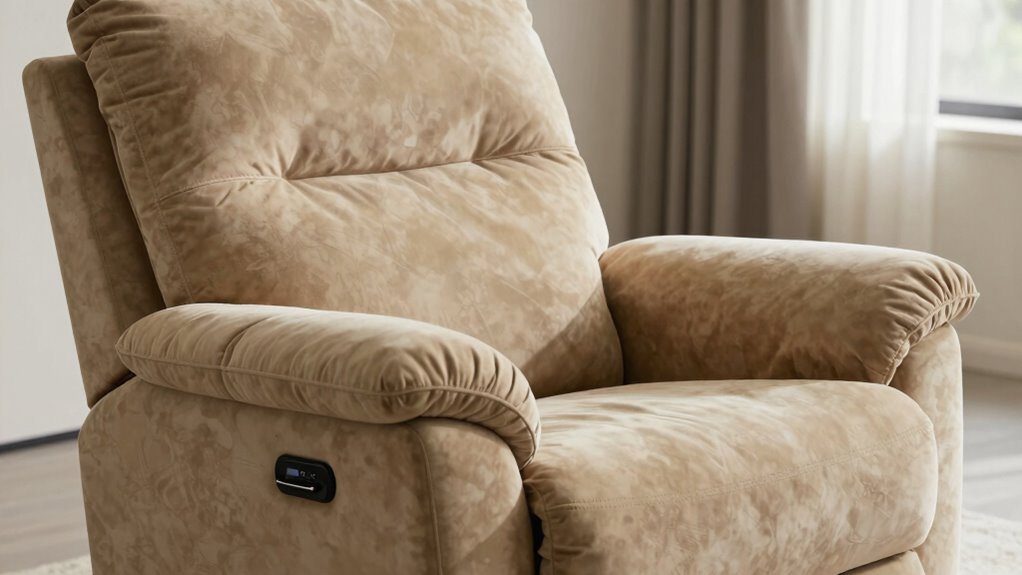
Reclining your chair can considerably influence your overall experience, allowing you to relax fully and target different muscle groups. When adjusting the recline, do so slowly and carefully to prevent sudden movements that could cause dizziness or strain. If your chair has an auto-recline function, familiarize yourself with how it works so you can set it smoothly. Always use the safety lock or adjustment controls as directed to prevent accidental falls or abrupt movements. If you’re prone to dizziness or have balance issues, make sure the chair is stable before reclining fully. Proper setup and cautious adjustment help you enjoy the full benefits of your massage chair without risking injury.
Products Worth Considering

Therabody SmartGoggles 2nd Gen Heated Eye and Temple Massager

Theragun Mini 3rd Generation Massage Gun – Travel Essential (Black)

Therabody Theragun Relief Massage Gun, 3-Speed, Black
As an affiliate, we earn on qualifying purchases.
Frequently Asked Questions
How Long Should I Initially Use Heat or Compression Therapy?
You should start with 15-20 minute sessions when using heat or compression therapy. Always monitor the temperature to prevent burns or discomfort, and watch for skin sensitivity or redness. If you feel any pain or notice skin irritation, remove the device immediately. Gradually increase the duration only if your skin tolerates it well. Remember, consistent but cautious use helps maximize benefits while minimizing risks.
Are There Any Safety Precautions for Using Recline Features?
When using recline features, always follow safety warnings provided by the manufacturer. Avoid sudden movements and adjust the chair gradually for ergonomic comfort. Be mindful of existing health conditions that may be affected by recline, such as back or neck issues. Regularly check the chair’s safety mechanisms to guarantee they’re functioning properly. Making these ergonomic adjustments and adhering to safety warnings helps prevent discomfort or injury during use.
Can Heat or Compression Therapy Cause Skin Irritation?
Heat or compression therapy can cause skin irritation if you’re skin sensitive. To prevent irritation, always follow the product’s instructions and limit session durations. Use a cloth or towel between the device and your skin, and check your skin frequently for redness or discomfort. If you notice irritation, stop use immediately and consult a healthcare professional. Proper skin sensitivity awareness helps guarantee safe, effective therapy sessions.
How Often Can I Safely Use These Features?
You can typically use heat, compression, and recline features 1-2 times daily, but always check product compatibility and follow manufacturer guidelines. Studies show that overuse may cause skin irritation or discomfort, negatively impacting your user experience. Listen to your body, and if you notice redness or soreness, reduce usage. Moderation guarantees you enjoy benefits without risking adverse effects, making your therapy both safe and effective.
What Should I Do if I Experience Discomfort During Use?
If you feel discomfort during use, stop immediately. Adjust the therapy duration to shorter sessions and guarantee your skin isn’t overly sensitive or irritated. If discomfort persists, remove the device and consult your healthcare provider. Always listen to your body and avoid pushing through pain. Properly adjusting settings, monitoring skin sensitivity, and limiting therapy duration can help you use heat, compression, and recline features safely and effectively.
Conclusion
As you explore these new features, remember that patience is key—you’re learning a new language of comfort. Stay attentive to how your body responds, and don’t be afraid to ask questions or adjust settings. It’s all about finding what works best for you. Think of it as piecing together a puzzle—you’ll soon see the full picture of relaxation and relief, making each session a step closer to feeling your best.