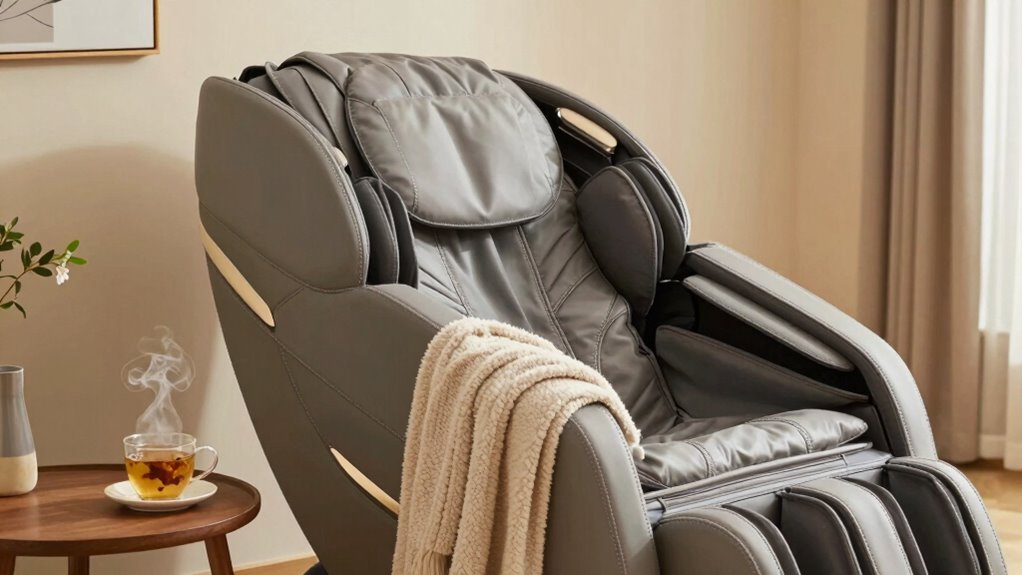

If a massage chair leaves you tender the next day, stay hydrated and gently move your muscles with slow stretches to promote blood flow and ease stiffness. Applying warmth via a warm bath or compress can relax tight muscles and reduce discomfort. You might also take over-the-counter pain relievers if needed, but avoid pushing through severe pain. Giving your body time to recover is key—keep exploring for more tips to help your muscles heal naturally.

Get wellness gear delivered free with Prime
- Fast, free delivery on millions of items
- Prime Video, Amazon Music and more included
- Member-only deals all year
Key Takeaways
- Stay hydrated to help flush toxins and support muscle recovery.
- Apply warm compresses or take warm baths to relax sore muscles.
- Engage in gentle stretching to improve blood flow and reduce stiffness.
- Rest and avoid vigorous activity until soreness diminishes.
- Use over-the-counter pain relievers if needed, following dosing instructions.
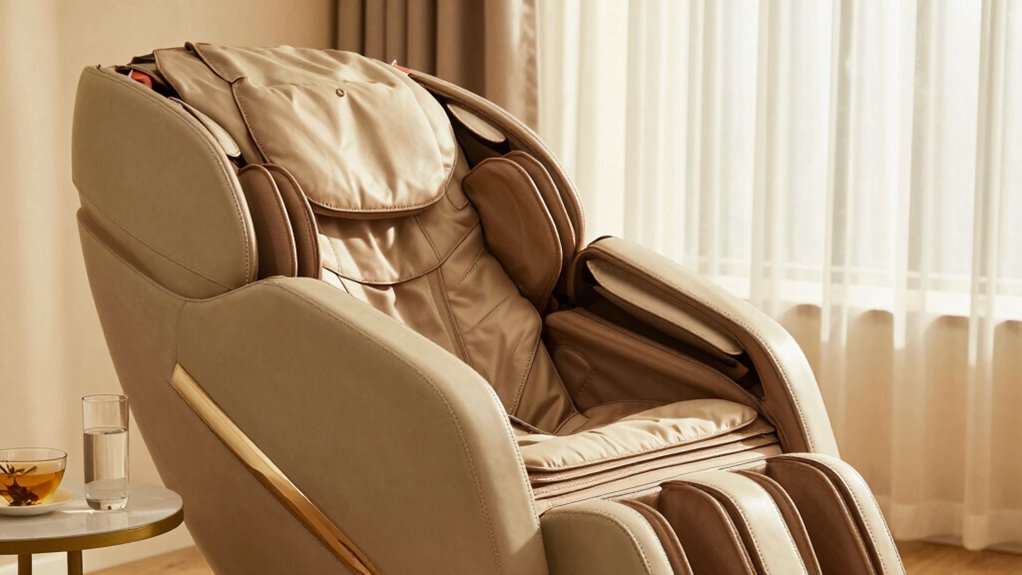
After a massage chair session, it’s common to feel some tenderness the next day, especially if you’re new to using it or if the massage was particularly intense. This soreness often comes from your muscles working through a process called muscle recovery, which is a natural part of relaxing deep tissues and breaking down tension. While it might be uncomfortable, this tenderness usually indicates your muscles are responding to the massage and healing. To manage this pain, it’s important to listen to your body and take steps that support recovery without overdoing it.
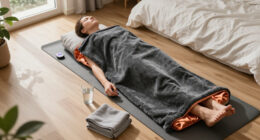
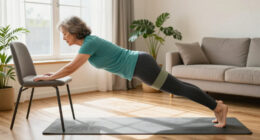
One of the best ways to ease soreness and promote muscle recovery is to stay hydrated. Drinking plenty of water helps flush out toxins released during the massage and keeps your muscles functioning properly. Gentle stretching can also be beneficial, as it encourages blood flow to tight areas and reduces stiffness. Just keep movements slow and controlled; forcing stretches can cause more harm than good. Applying a warm compress or taking a warm bath can further relax tight muscles and reduce discomfort, making it easier to move comfortably the next day. Additionally, understanding how muscle recovery works can help set realistic expectations for post-massage soreness and recovery. Recognizing that some degree of muscle soreness is normal can help you avoid unnecessary concern and plan your activities accordingly.
Stay hydrated, stretch gently, and use warm compresses to ease soreness and support muscle recovery after a massage.
In terms of pain management, over-the-counter remedies like ibuprofen or acetaminophen can help alleviate significant soreness if you’re experiencing persistent pain. However, it’s best to use these sparingly and follow dosing instructions. Rest is equally important—giving your muscles time to recover helps minimize ongoing discomfort and prevents overstressing the tissues. Avoid vigorous activity until the tenderness subsides, as pushing through pain can prolong recovery and potentially cause injury. Incorporating proper post-massage care can further enhance your recovery process and prevent future soreness. Additionally, understanding how home wellness tips contribute to recovery can empower you to maintain overall muscle health beyond individual sessions.
If you notice the tenderness is severe or lasts more than a couple of days, consider consulting a healthcare professional. Sometimes, lingering soreness can be a sign of overstimulation or an underlying issue that needs proper attention. In the meantime, taking it easy, staying well-hydrated, and engaging in light movement can help your body recover naturally. Remember, the goal of a massage chair is to relax and heal tense muscles, so pushing through severe pain isn’t necessary. Instead, focus on gentle care routines that support your body’s natural healing process. Over time, as your muscles adapt, you’ll likely experience less tenderness after sessions, making your massage experience more enjoyable and beneficial.
As an affiliate, we earn on qualifying purchases.
Frequently Asked Questions
Can Massage Chair Tenderness Indicate an Underlying Health Issue?
Massage chair tenderness might sometimes point to muscle fatigue or circulatory issues, especially if you’re unusually sensitive or experience persistent discomfort. If tenderness lasts beyond a day or worsens, it’s wise to consult a healthcare professional to rule out underlying health problems. Pay attention to your body’s signals, and consider adjusting massage intensity or frequency to prevent future discomfort. Your health should always come first.
How Long Should I Wait Before Using the Massage Chair Again?
You should wait at least 24 to 48 hours before using your massage chair again, especially if you experienced tenderness. Adjust the massage intensity to a lower setting to prevent discomfort and allow your muscles to recover. Regular chair maintenance helps guarantee the massage functions properly and reduces the risk of overuse. Listening to your body and giving it time to rest are key to enjoying the benefits safely.
Are Certain Massage Techniques More Likely to Cause Tenderness?
Yes, certain massage techniques, like deep tissue work, and higher pressure intensity are more likely to cause tenderness. When you opt for deep tissue massages, you target deeper layers of muscle, which can lead to soreness afterward. Similarly, increasing pressure intensity pushes harder into muscles, increasing the chance of tenderness. To avoid this, communicate your comfort level, and consider lighter pressure or gentler techniques, especially if you’re sensitive.
Does Age Affect How My Body Reacts to Massage Chairs?
Age-related stiffness and elderly sensitivity can make your body react more intensely to massage chairs. When you’re older, muscles are more delicate and respond dramatically, sometimes leaving you sore the next day. It’s like your body’s a fragile glass, not a steel fortress. So, always start slow, listen to your body’s signals, and adjust the settings to avoid overdoing it.
Can I Prevent Soreness With Specific Stretching or Hydration?
You can prevent soreness by staying well-hydrated and following specific stretching routines. Hydration tips, like drinking plenty of water before and after your session, help flush out toxins and reduce muscle tension. Incorporate gentle stretching routines focused on affected muscles to improve flexibility and ease soreness. These practices support quicker recovery and help you enjoy the benefits of massage chairs without lingering discomfort.
massage chair recovery accessories
As an affiliate, we earn on qualifying purchases.
As an affiliate, we earn on qualifying purchases.
Conclusion
Think of your muscles like delicate garden flowers—they need gentle care after a boost of activity. When your massage chair leaves you tender, it’s your signal to slow down and nurture those muscles back to health. I once pushed through soreness, only to end up more uncomfortable, like a wilting flower. So, listen to your body, hydrate, rest, and give yourself time to bloom again—your muscles will thank you with renewed strength.
over-the-counter pain relief for muscle soreness
As an affiliate, we earn on qualifying purchases.
As an affiliate, we earn on qualifying purchases.
muscle recovery stretching tools
As an affiliate, we earn on qualifying purchases.
As an affiliate, we earn on qualifying purchases.
Halloween Picks
halloween
As an affiliate, we earn on qualifying purchases.