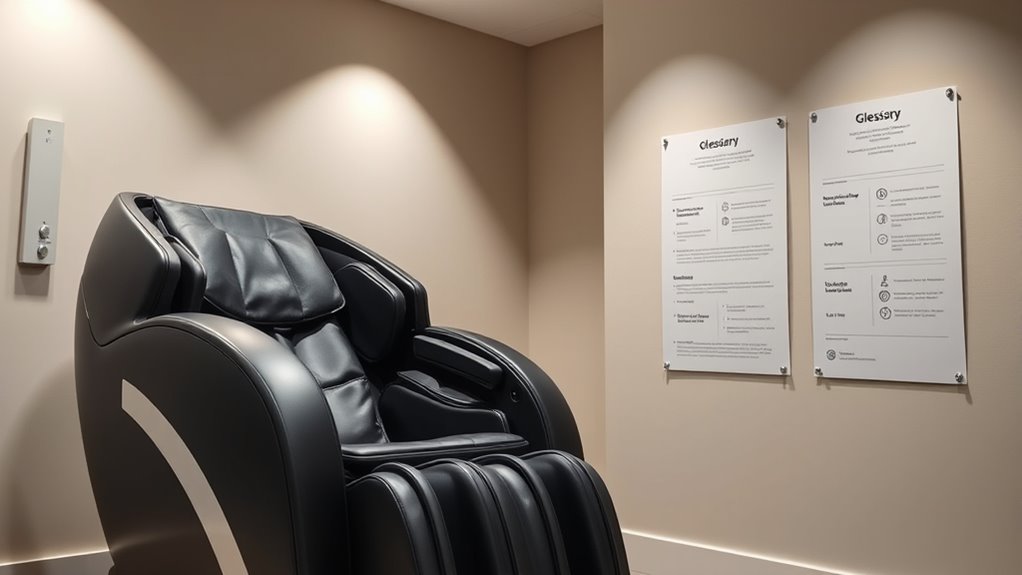

You should avoid using massage chairs if you have heart problems, recent surgeries, skin infections, or open wounds, as the pressure and heat could worsen your condition. Don’t use one if you’re pregnant, feeling feverish, or sick, as it can increase body temperature or stress your immune system. People with deep vein thrombosis, certain medical devices like pacemakers, or under the influence of alcohol or drugs should stay away too. Knowing these precautions can protect your health, and there’s more to learn to stay safe.

Get wellness gear delivered free with Prime
- Fast, free delivery on millions of items
- Prime Video, Amazon Music and more included
- Member-only deals all year
Key Takeaways
- Avoid massage chairs if you have heart conditions or recent surgeries to prevent health risks.
- Refrain from use during pregnancy, infancy, or if experiencing infections, open wounds, or skin sensitivities.
- Do not use if you have deep vein thrombosis (DVT) or implantable medical devices like pacemakers.
- Steer clear when feeling unwell, feverish, or experiencing unusual pain or discomfort.
- Always consult healthcare providers before using if you have health concerns or are under medication.
As an affiliate, we earn on qualifying purchases.
When You Have Heart Conditions
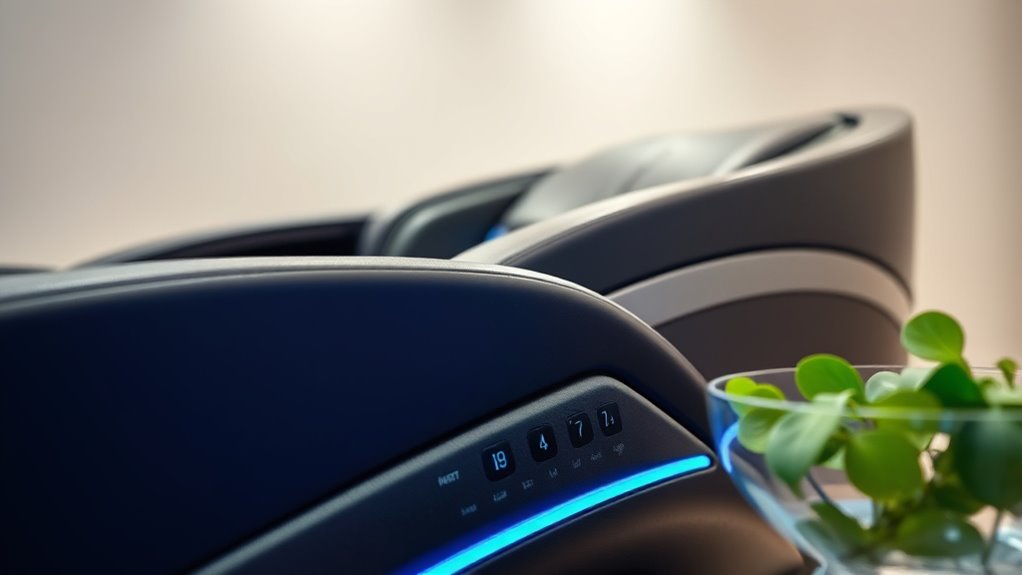
If you have a heart condition, it’s best to avoid massage chairs altogether. These devices can influence your heart health by increasing circulation and applying pressure that might strain your cardiovascular system. For individuals with cardiac risks, the sudden stimulation can trigger irregular heart rhythms or elevated blood pressure. Even gentle massages could potentially cause complications, especially if your condition involves unstable angina or recent heart surgery. Always consult your doctor before using a massage chair if you have any heart concerns. Protecting your health means understanding how massage therapy interacts with your specific cardiac risks. When in doubt, prioritize safety over relaxation, and seek professional guidance to avoid any adverse effects on your heart.
gentle massage chair for pregnancy
As an affiliate, we earn on qualifying purchases.
As an affiliate, we earn on qualifying purchases.
During Pregnancy

During pregnancy, using a massage chair can pose risks to both mother and baby. Certain massage techniques, especially deep tissue or high-pressure methods, may cause contractions or stress. It’s best to avoid chairs with features like intense kneading or rolling functions. Instead, opt for gentle massage modes that focus on relaxation. Understanding chair features helps you choose safer options. Here’s a quick guide:
| Chair Feature | Why to Avoid During Pregnancy | Safer Alternative |
|---|---|---|
| Intense kneading | Can stimulate uterine contractions | Gentle vibration or light touch |
| Rolling nodes | Might cause discomfort or overstimulation | Soft, superficial massage |
| High-pressure jets | Risk of overstimulating muscles | Warm compress feature |
| Deep tissue settings | May increase blood pressure | Light, soothing massage |
| Rapid automation | Unexpected movements can startle | Manual control for gentle use |
Additionally, being aware of blood pressure effects can help prevent complications during pregnancy.
massage chair for sensitive skin
As an affiliate, we earn on qualifying purchases.
As an affiliate, we earn on qualifying purchases.
If You Have Skin Infections or Open Wounds
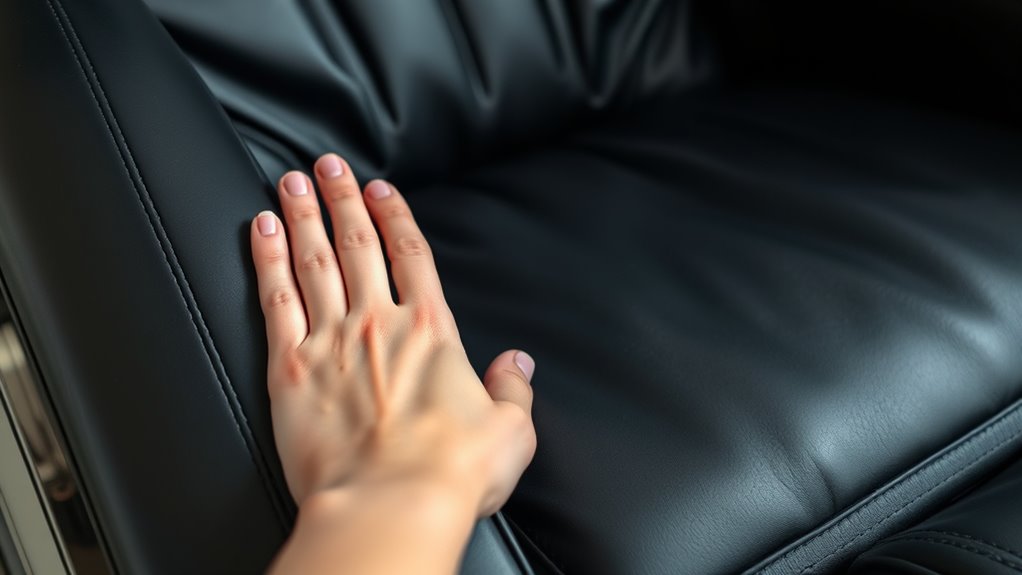
If you have skin infections or open wounds, using a massage chair can increase the risk of spreading infection or worsening your wounds. The pressure and heat from the chair may irritate sensitive skin and delay healing. It’s best to avoid massage chairs until your skin has fully healed. Additionally, if you notice any signs of skin damage, it’s important to consult a healthcare professional before resuming use.
Risk of Infection Spread
Having skin infections or open wounds can substantially increase the risk of spreading bacteria or viruses during a massage chair session. If you’re dealing with such conditions, it’s vital to take hygiene practices carefully. Massage chairs can harbor germs if not properly cleaned, especially around areas where open wounds or infections are present. Inadequate cleaning protocols may allow harmful microorganisms to transfer from the chair to your skin, potentially worsening your condition or infecting others. To reduce this risk, always make sure the chair is thoroughly disinfected before use, and avoid sitting on areas with open wounds. If your skin isn’t fully healed, it’s best to delay using a massage chair until your skin condition improves, prioritizing hygiene and safety. Additionally, understanding the importance of disinfection protocols can help prevent the spread of infection via shared equipment.
Worsening Open Wounds
Open wounds and skin infections can quickly worsen if you use a massage chair, as the pressure and movement may aggravate the affected area. Applying massage to open wounds can disrupt the skin repair process, delaying wound healing and increasing the risk of infection. The added friction and pressure can cause bleeding or further tissue damage, making it harder for your body to close the wound properly. If you have skin infections or open wounds, it’s best to avoid massage chairs until the skin has fully healed. Allow your body to focus on natural recovery and wound healing without external interference. Using a massage chair in this condition could lead to complications, prolonging recovery and worsening your overall skin health. Additionally, wound healing can be impeded by external pressure, emphasizing the importance of avoiding massage in such cases.
Skin Sensitivity Concerns
Using a massage chair when you have open wounds or skin infections can cause your skin to become more sensitive and reactive. Your skin may experience increased irritation, redness, and discomfort from the pressure and heat. These sensitivity reactions can worsen existing issues or create new ones. Imagine your skin as a delicate surface:
| Skin Condition | Potential Reaction | Advice |
|---|---|---|
| Open wounds | Increased irritation | Avoid massage chairs until healed |
| Skin infections | Spreading or worsening | Delay until infection clears |
| Sensitive skin | Redness, burning | Use gentle care, consult a doctor |
| Skin irritation | Pain, discomfort | Skip massages during flare-ups |
If you notice any irritation or sensitivity reactions, stop use immediately and seek medical advice.
massage chair with manual control
As an affiliate, we earn on qualifying purchases.
As an affiliate, we earn on qualifying purchases.
With Recent Surgeries or Injuries
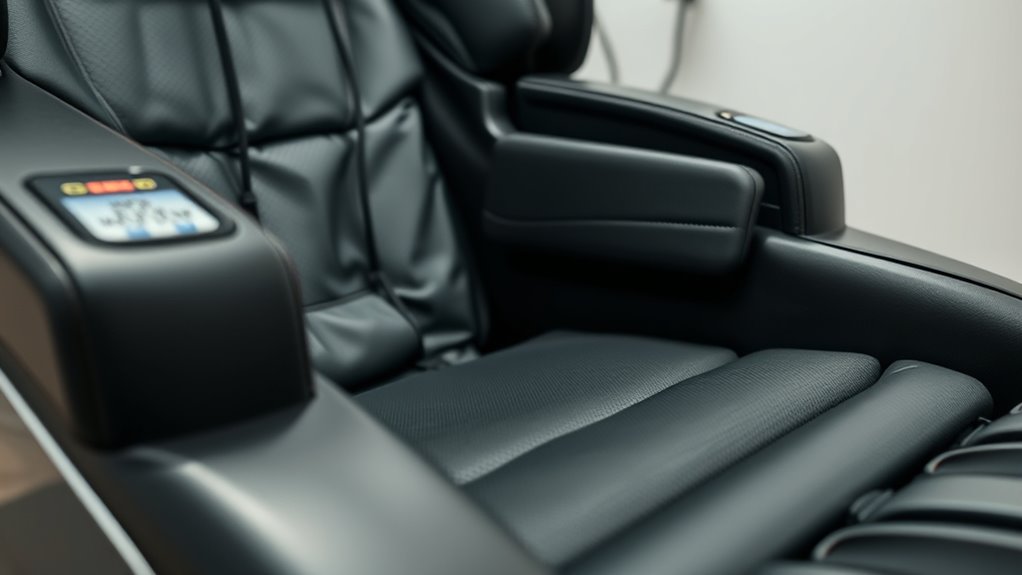
If you’ve recently had surgery or an injury, using a massage chair might not be safe. The pressure can interfere with healing or cause discomfort. It’s best to wait until your doctor gives the all-clear before trying massage therapy. Additionally, be aware that certain performance cookies used to analyze website performance should be disabled during recovery to avoid unnecessary stimulation.
Post-Surgery Caution
After recent surgeries or injuries, it’s essential to approach massage chairs with caution because they can put additional strain on healing tissues. Using a massage chair too soon may hinder your post-surgery mobility or worsen post-surgery swelling. The massage’s pressure and movements could interfere with the healing process or cause discomfort. If you’re still recovering, your body needs time to regain strength and stability. Even gentle massage settings might be too intense during this period. Always consult your healthcare provider before using a massage chair after surgery or injury. Prioritizing your recovery means avoiding unnecessary stress on affected areas and allowing your body to heal properly. Rushing back into massage therapy could delay your full recovery and compromise your health. Additionally, being aware of post-surgery caution helps prevent potential setbacks in your healing journey.
Injury Healing Considerations
When you have recent surgeries or injuries, your body is still vulnerable, and applying pressure through a massage chair can interfere with the healing process. Massage therapy may stimulate blood flow, but it can also cause swelling or re-injury if tissues aren’t fully healed. Muscle relaxation is helpful, but aggressive or improper use of a massage chair might disrupt stitches or strained muscles. It’s vital to wait until your healthcare provider clears you before using massage chairs. During recovery, gentle approaches and professional guidance ensure you don’t hinder healing or cause further damage. Avoid massage chairs until your doctor confirms it’s safe, as premature use can prolong recovery and compromise your healing progress.
If You Experience Unusual Pain or Discomfort
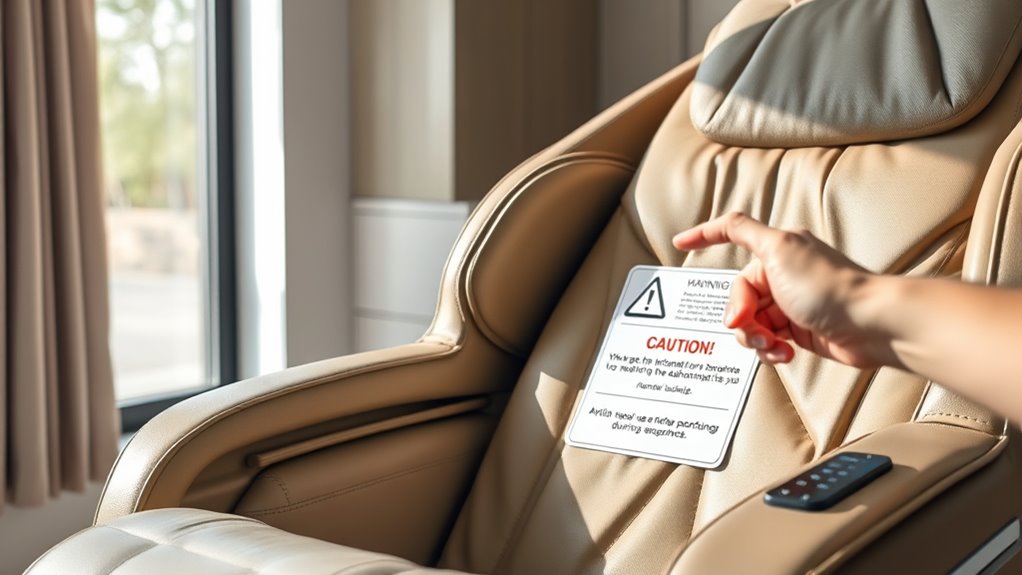
Experiencing unusual pain or discomfort during or after using a massage chair is a clear sign that you should stop and reassess. While massage chairs are designed to promote muscle relaxation and stress relief, pain indicates something isn’t right. If you feel sharp, persistent, or worsening pain, don’t ignore it. Continuing could cause more harm or aggravate an underlying condition. Instead, take a break, hydrate, and evaluate how your body responds. If pain persists, consult a healthcare professional. Remember, massage chairs shouldn’t cause discomfort beyond mild relief. Always listen to your body—discomfort signals that your muscles or nervous system may be reacting negatively, and avoiding further use is the safest choice until you understand the cause. Glycolic acid benefits for skin may also be relevant if skin irritation occurs from prolonged contact or improper use.
For Infants and Very Young Children
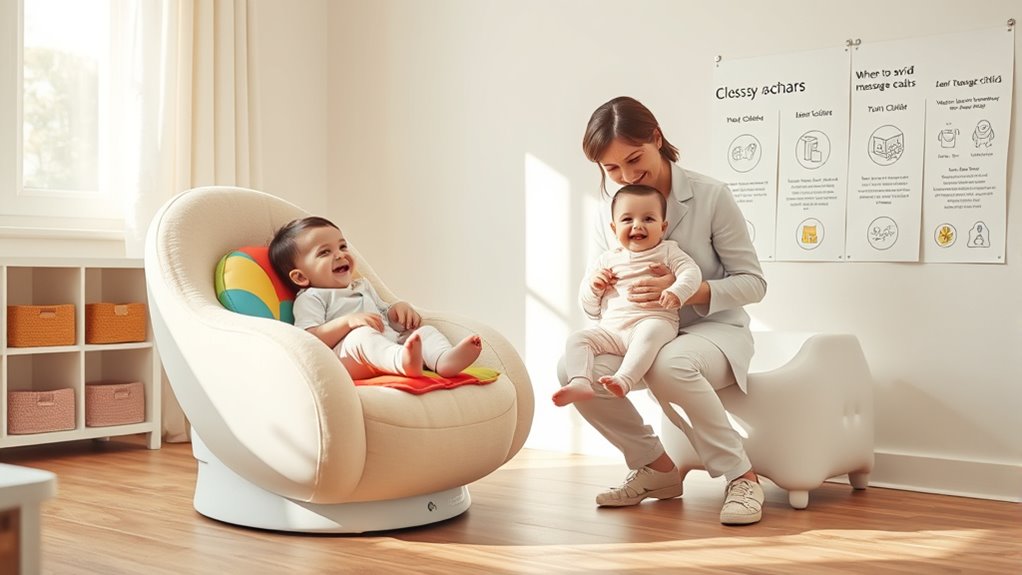
Using massage chairs with infants or very young children is generally not advisable, even if they seem to enjoy the sensation. Their delicate bodies and developing systems require careful attention to infant safety. Massage chairs can apply pressure or vibrations that might be too intense or unpredictable for their sensitive skin and muscles. Additionally, improper use could interfere with child development, especially if it causes discomfort or stress. Young children have unique needs that are best met through gentle, developmentally appropriate touch and play. Instead of massage chairs, opt for soft, nurturing interactions that support healthy growth. Always prioritize safety and consult with a pediatrician before considering any form of massaging or similar therapy for infants. Incorporating AI technology can help monitor and ensure safe practices when caring for young children.
When You’re Feeling Feverish or Sick

When you’re sick or have a fever, your body is already working hard to fight off illness. Using a massage chair can increase your body temperature and stress your system further. It’s best to avoid massage chairs until you’re fully recovered to prevent any risks. Additionally, since your immune system is compromised during illness, engaging in hydrotherapy techniques like hot tubs may also be detrimental.
Fever and Body Response
If you’re feeling feverish or sick, it’s best to avoid massage chairs, as your body is already working hard to fight off illness. When you have a fever, your immune system is active, and your body temperature is elevated. Using a massage chair can increase circulation and potentially raise your body temperature further, which may worsen your condition. While massage chairs often promote muscle relaxation and stress relief, during illness, these benefits are less important than supporting your body’s natural response. Instead, focus on rest and hydration. Pushing your body with massage therapy when sick could delay recovery or cause additional stress to your system. Always listen to your body and consult a healthcare professional if you’re unsure about treatment options during illness.
Sick Symptoms and Risks
Feeling feverish or sick signals that your body is already under stress, making it risky to use a massage chair. When you’re unwell, your immune system is working hard, and applying massage therapy could overstimulate your body or spread illness. Trying to achieve muscle relaxation or stress relief might seem helpful, but it can backfire if your body isn’t ready. Massage chairs increase circulation, which can exacerbate symptoms or cause dizziness, dehydration, or fainting. If you’re feeling sick, it’s best to rest and let your body recover naturally. Pushing yourself with massage therapy during illness can delay healing or worsen symptoms. Always listen to your body and avoid massage chairs until you’re fully recovered and feeling strong again. Additionally, using a massage chair during illness may be highly unadvisable due to potential health risks.
If You Have Deep Vein Thrombosis

Having deep vein thrombosis (DVT) means blood clots form in your deep veins, usually in your legs, which can be life-threatening if dislodged. Using a massage chair could increase blood flow and potentially dislodge the clot, elevating blood clot risks. This can lead to serious complications, such as a pulmonary embolism. Because of these vein health considerations, it’s safest to avoid massage chairs if you have DVT. While massage can promote circulation in healthy individuals, it may worsen your condition by disturbing existing clots. Always consult your healthcare provider before considering any massage therapy if you’ve been diagnosed with DVT. Protect your health by avoiding treatments that could jeopardize blood clot stability and lead to dangerous outcomes.
In the Presence of Certain Medical Devices (Like Pacemakers)
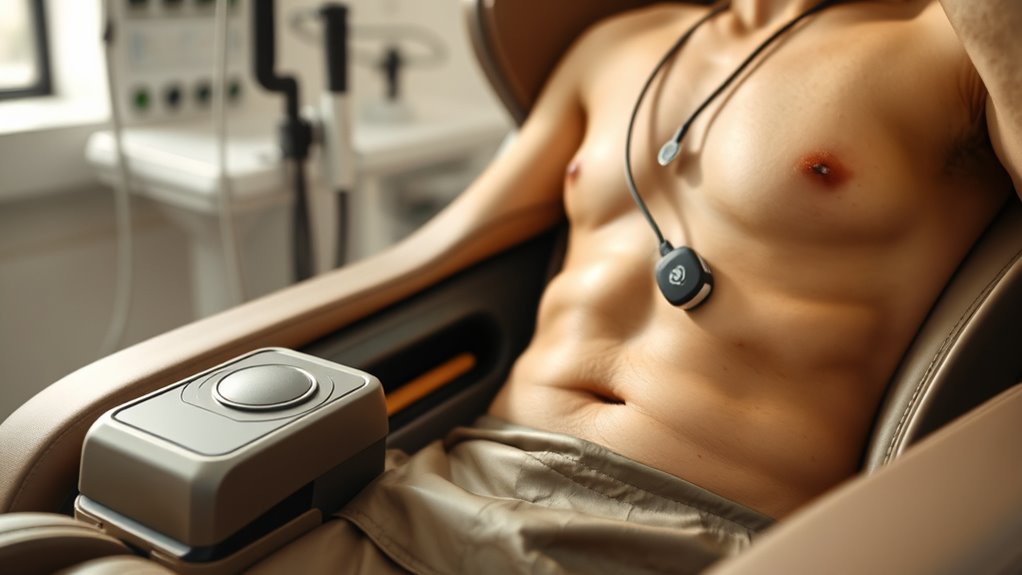
Using a massage chair while you have certain medical devices, such as pacemakers, can pose risks. These devices may be sensitive to electromagnetic fields emitted during massage, potentially compromising medical device safety. You need to weigh device interaction risks that could interfere with your device’s proper function.
Be cautious if you:
- Have a pacemaker or defibrillator
- Use insulin pumps or neurostimulators
- Wear a cochlear implant
- Use other implantable electronic devices
- Are unsure about your device’s compatibility with massage therapy
Consult your healthcare provider before using a massage chair to assess safety. Ignoring these precautions can lead to device malfunction or health complications, so understanding the interaction risks is essential for your safety.
When Under the Influence of Alcohol or Drugs

Operating a massage chair while under the influence of alcohol or drugs can impair your judgment and coordination, increasing the risk of injury. Alcohol impairment and drug intoxication affect your balance and reflexes, making it harder to respond quickly if something feels uncomfortable or painful. When you’re not fully alert, you might not notice if the massage pressure becomes too intense or if you experience dizziness or nausea. Using a massage chair while intoxicated can lead to falls, muscle strain, or other accidents. It’s safest to wait until the effects of alcohol or drugs wear off completely. Only then can you guarantee your body is prepared to handle the massage safely and enjoy its benefits without risking harm.
Frequently Asked Questions
Can Massage Chairs Be Used for Chronic Back Pain Relief?
Yes, massage chairs can help with chronic back pain relief, especially if they feature ergonomic design that targets problem areas. They promote pain management by easing muscle tension and improving circulation. However, if your back pain is severe or caused by underlying conditions, consult a healthcare professional before using a massage chair. Regular use may offer comfort and support, but it shouldn’t replace medical treatment for chronic issues.
Are There Age Restrictions for Using Massage Chairs Safely?
Age restrictions? Well, if you’re a senior, you might want to check those first—because safety isn’t just a young person’s game. Manufacturers often recommend senior safety measures, so older adults should consult their doctor before jumping into a massage chair adventure. It’s not about banning fun; it’s about ensuring your golden years stay relaxing, not risky. So, heed the age restrictions and enjoy your massage safely.
How Often Should I Use a Massage Chair for Best Results?
For ideal usage, you should generally use your massage chair 2 to 3 times per week, following the frequency guidelines. This allows your muscles to relax and recover without overdoing it. Pay attention to how your body responds; if you feel any discomfort or soreness, reduce the frequency. Consistent, moderate use maximizes benefits while minimizing risks, helping you enjoy a relaxing experience and improved muscle health.
Can Massage Chairs Help With Stress and Anxiety?
Yes, massage chairs can help with stress relief and anxiety reduction. They relax your muscles, calm your mind, and improve your mood. When you sit in a massage chair, you ease tension, clear your thoughts, and feel more centered. Regular use can create a soothing routine that reduces daily stress and anxiety, helping you feel more relaxed and balanced. Embrace the calming benefits and give yourself the gift of relaxation.
Are There Specific Massage Chair Features Suitable for Seniors?
Yes, there are massage chair features suitable for seniors. Look for models that prioritize elderly comfort with gentle, adjustable massage settings and ergonomic design. Safety features like automatic shut-off, padded armrests, and easy-to-use controls are essential. These features help guarantee a safe, relaxing experience while addressing specific needs, such as reduced pressure and support, making it easier for seniors to enjoy the benefits of massage therapy without risk.
Conclusion
Think of massage chairs as delicate melodies—they can soothe or cause discord if misused. By knowing when to avoid them, you protect your health like a vigilant guardian. Don’t let hidden risks turn your relaxation into a storm. Stay informed, listen to your body, and treat your well-being as the precious treasure it is. When in doubt, pause and consult a professional—your health’s harmony depends on it.
Cold & flu season Picks
humidifiers
As an affiliate, we earn on qualifying purchases.