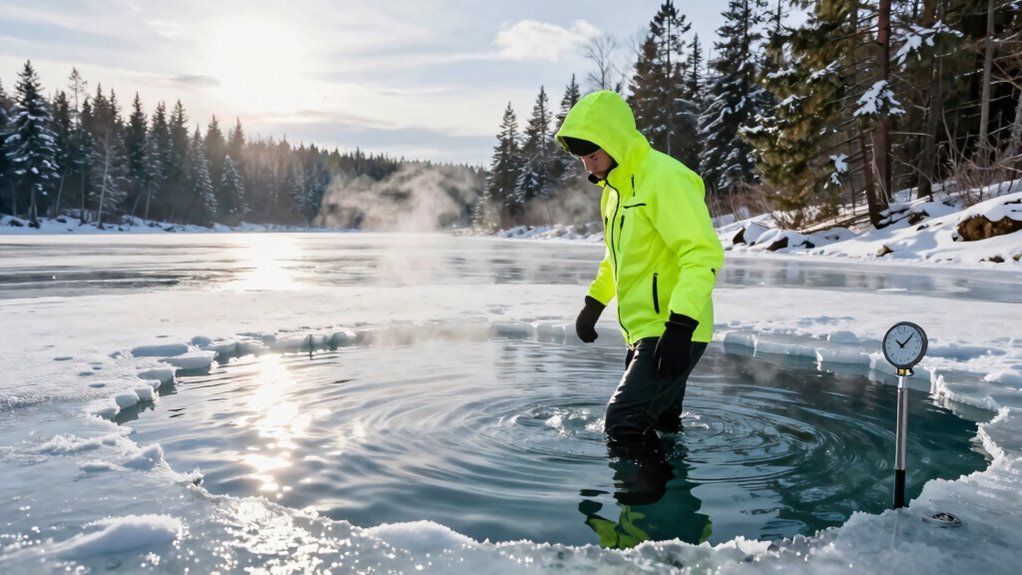
For a safe cold plunge, keep the water temperature between 50°F and 59°F (10°C to 15°C) to avoid cold shock. Limit your time to 1-3 minutes initially and listen to your body, exiting if you feel dizzy or numb. People with circulation issues or heart conditions should consult a healthcare professional before trying it. To learn practical safety tips and common pitfalls, stay tuned for more guidance.
Key Takeaways
- Maintain water temperature between 50°F to 59°F (10°C to 15°C) for safe cold plunges.
- Start with 1 to 3 minutes and gradually increase duration as your body adapts.
- Avoid cold water immersion if you have circulation issues or certain cardiovascular conditions.
- Prepare mentally and physically, and monitor your body’s responses to prevent overexposure.
- Never rush into cold water; use gradual acclimation and pay attention to warning signs.
What Are Safe Temperatures for Cold Water Immersion?
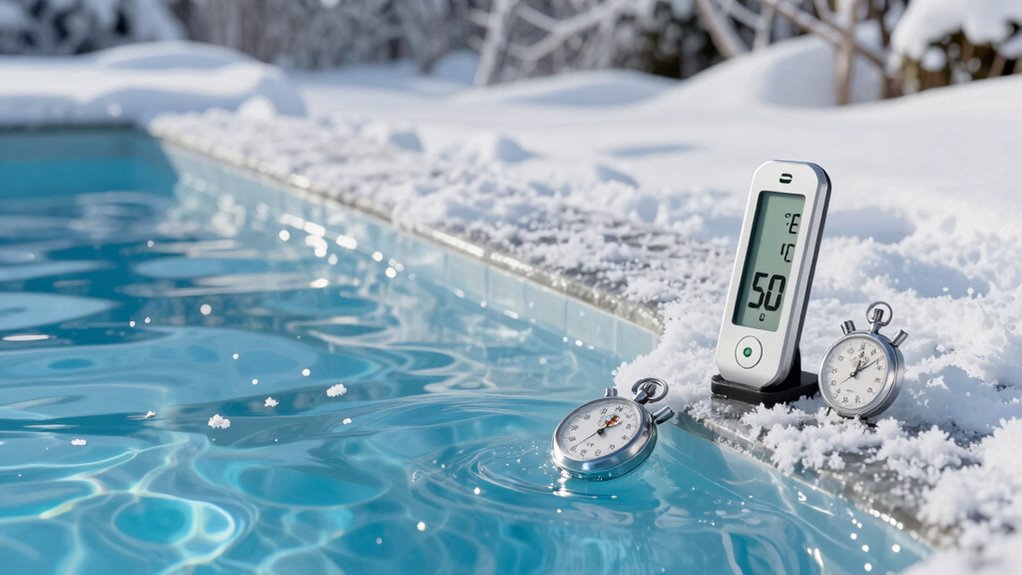
Knowing the safe temperature range for cold water immersion is essential to prevent injury or hypothermia. Typically, temperatures between 50°F and 59°F (10°C to 15°C) are considered safe for most people when starting cold plunges. Temperatures below 50°F increase the risk of cold shock, which can cause rapid breathing, panic, and even loss of consciousness. Your body’s thermoregulation system works to maintain core temperature, but sudden exposure to very cold water challenges this process. Staying within the recommended range helps you avoid abrupt cold shock responses and allows your body to gradually adapt. Proper temperature regulation is vital for safe cold plunging, especially for beginners. Additionally, understanding body response to cold can help you better prepare for cold water immersion and reduce risks. Recognizing the signs of hypothermia and knowing when to exit the water are crucial safety measures. Always listen to your body and consult a healthcare professional if you’re uncertain, especially if you have underlying health conditions. Being aware of personal tolerance levels can help tailor your cold plunge experience safely.
How Long Should You Stay During a Cold Plunge?
The duration of your cold plunge plays a key role in ensuring safety and effectiveness. Generally, aim for 1 to 3 minutes to start, gradually increasing as your body adapts. During your plunge, focus on breathing techniques to stay calm and conserve energy. Mental preparation is vital—visualize a safe, controlled experience to reduce anxiety. Keep these tips in mind:
Start with 1-3 minutes, focus on breathing, and stay mentally prepared for a safe cold plunge experience.
- Begin with shorter sessions and build up over time
- Practice deep, steady breathing to manage discomfort
- Listen to your body; exit if you feel dizzy or numb
- Stay mentally focused to maintain calmness and control
- Incorporate knowledge of temperature regulation to optimize your experience and safety. Additionally, understanding your body’s response to cold can help you better tailor your duration for safety and benefits. Recognizing your cold tolerance levels can help prevent overexposure and adverse reactions, especially as individual cold adaptation varies. Being aware of cold exposure effects can further inform your safety limits and enhance your overall experience.
Who Should Avoid Cold Water Immersion?
People with circulation issues may experience poor blood flow, which can be exacerbated by cold water immersion. Additionally, individuals with certain cardiovascular conditions should consult a healthcare professional before attempting cold plunges, as blood vessel constriction can pose serious health risks.
Tips for Safe Cold Plunge Practice
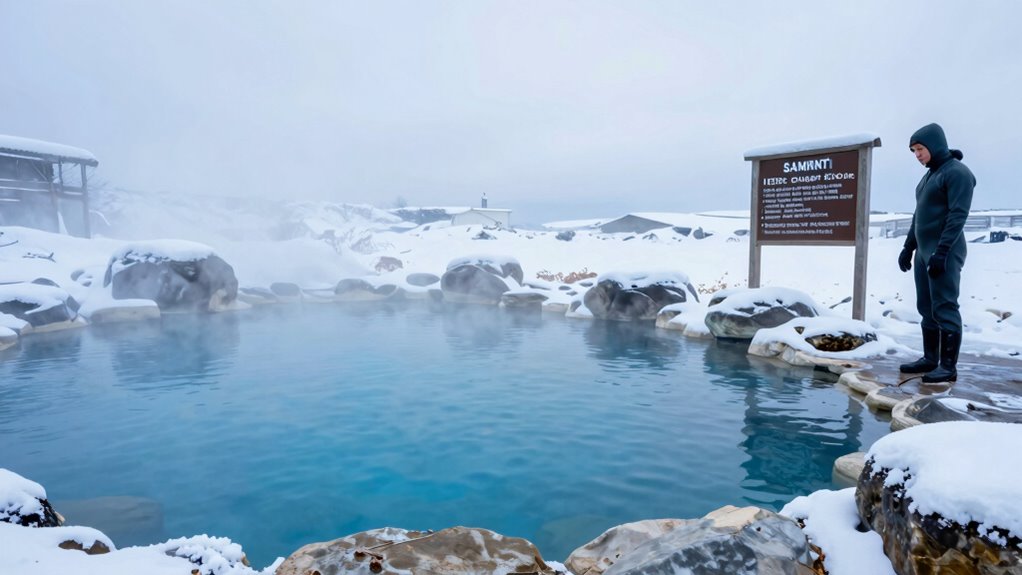
To practice cold plunging safely, it is vital to prepare your body gradually and listen to your sensations throughout the process. Building mental resilience helps you stay calm during cold shock, reducing the risk of panic. Start with shorter plunges and lower temperatures, then increase slowly over time. Always monitor how you feel, and never push beyond your limits. Incorporating gradual acclimation can significantly improve your safety and comfort during cold exposure. Additionally, understanding the benefits of proper technique can help optimize your experience and minimize risks. Being aware of cold shock response can further prepare you to recognize and manage physiological reactions during your cold plunge. Developing mental resilience is essential for maintaining emotional stability and ensuring a safe experience. Emphasizing community and cultural connections in wellness routines can also foster emotional resilience and support mental health during cold therapy practices.
Common Mistakes to Avoid When Cold Plunging
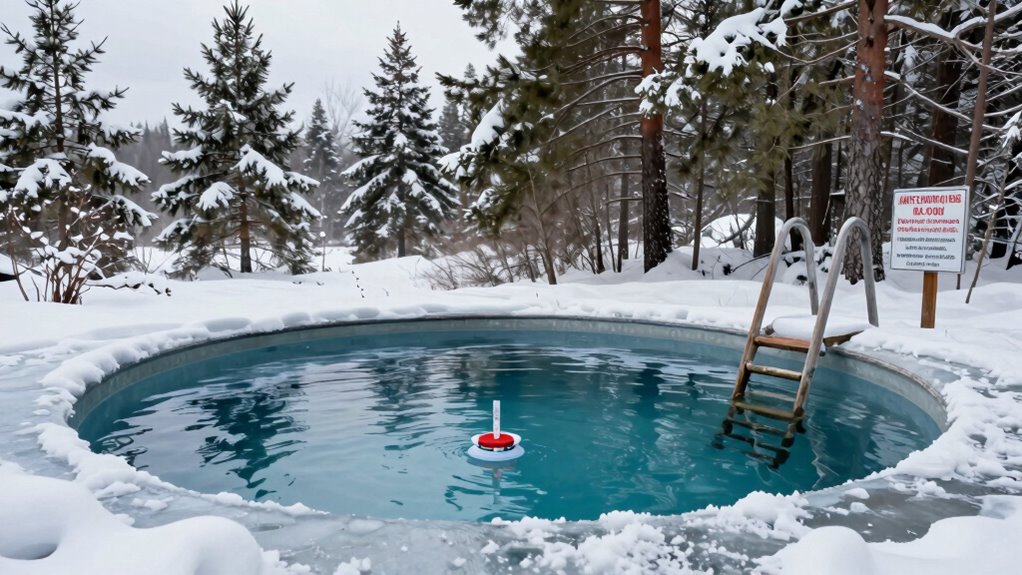
One common mistake to avoid is rushing into cold water without proper preparation, as this can cause severe shock and increase injury risk. If you ignore thermoregulation issues or use improper equipment, your body struggles to adapt, leading to dizziness, hypothermia, or fainting. Always check your gear and ensure your body is warmed up beforehand. Avoid sudden immersion without gradual acclimation. Use equipment suited for cold plunges, like insulated suits or thermally appropriate towels. Be mindful of your body’s signals and never push beyond your limits. Incorporating connected fitness technology can help monitor your temperature and time to ensure safe cold plunging practices. Additionally, understanding cold plunge safety guidelines can further reduce risks and enhance your experience. Remember, proper acclimation is essential for a safe and beneficial cold plunge experience. Being aware of body signals can also prevent overexposure and adverse effects.
Frequently Asked Questions
Can Cold Plunges Help With Mental Health Issues?
Cold plunges can boost your mental health by providing mental health benefits like anxiety relief and improved mood. When you immerse yourself in cold water, your body releases endorphins, which help reduce stress and promote relaxation. Regular cold plunges may also enhance your resilience to mental health challenges. Just remember, if you have certain health conditions, check with a healthcare professional before diving in.
What Are the Signs of Hypothermia During a Cold Plunge?
Think of hypothermia symptoms as warning lights flashing on your body’s dashboard. If you notice shivering that won’t stop, confusion, clumsiness, or numbness, you’re experiencing cold exposure indicators. You might also feel slow or slurred speech, fatigue, or a bluish tint to your lips and fingers. These signs are your body’s way of telling you to get out of the cold immediately, as ignoring them can be dangerous.
How Does Age Affect Cold Plunge Safety?
Your age impacts cold plunge safety because age-related physiological changes, like decreased circulation and slower metabolic response, can reduce your elderly cold tolerance. As you get older, your body struggles more to maintain core temperature, making you more prone to hypothermia. Consequently, it’s essential to monitor your response closely, limit exposure time, and consult a healthcare professional if you have health issues affecting thermoregulation.
Is Cold Water Immersion Suitable for Pregnant Women?
Imagine you’re stepping into a time machine—cold water immersion isn’t recommended during pregnancy. You should avoid it because of pregnancy precautions, as water temperature and sudden shocks can risk fetal health. The cold can cause dizziness or contractions, which aren’t safe for you or your baby. Always consult your healthcare provider before trying cold plunges, and prioritize gentle, safe activities during pregnancy.
What Equipment Is Safest for Beginners?
For beginner safety, choose equipment that’s simple and stable, like a sturdy plastic or metal tub with non-slip surfaces. Look for features such as adjustable temperature controls and easy access for safe entry and exit. Avoid overly complex setups or fragile materials. Always test the equipment beforehand, verify it’s clean, and use a thermometer to monitor water temperature. Prioritize comfort and stability to make your cold plunge experience safe and enjoyable.
Conclusion
By understanding safe temperatures and durations, you can navigate cold plunges like a seasoned sailor steering through icy waters. Remember, knowing who should avoid it and sticking to safety tips keeps your practice smooth sailing. When done mindfully, cold immersion becomes a powerful tool rather than a risky voyage. Listen to your body and respect its signals—after all, even the strongest ice can crack if you push too hard.