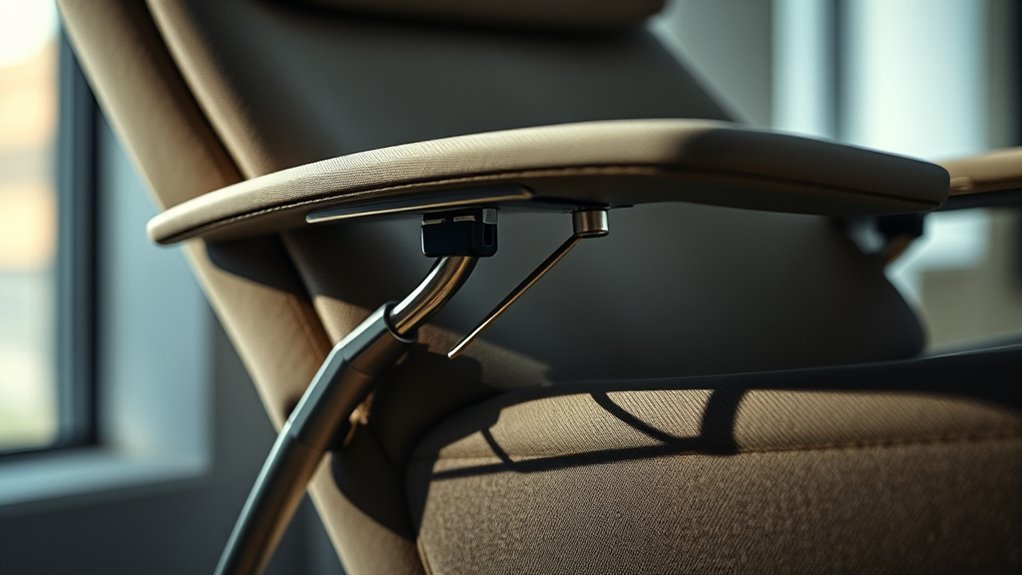

Space-saving recline mechanisms may seem ideal, but they hide costs you should consider. These compact designs often wear out faster, reduce comfort, and limit adjustability. They can also be noisier and harder to repair, increasing long-term expenses. Over time, structural weaknesses may pose safety risks and lead to mid-life failures. To avoid these pitfalls, understanding the hidden trade-offs is key—and there’s more to uncover if you keep exploring.
Key Takeaways
- Compact recline mechanisms often lead to increased wear, resulting in frequent repairs and higher long-term maintenance costs.
- Space-saving designs may compromise ergonomic support, causing discomfort and potential health issues over time.
- Tightly packed components can reduce stability, raising the risk of tipping and safety hazards during use.
- Limited access for repairs makes maintenance more difficult and costly, especially if specialized tools or expertise are required.
- Shortened lifespan from design constraints can lead to early replacements, escalating overall ownership expenses.
Durability Concerns With Compact Recline Mechanisms

While space-saving recline mechanisms are appealing for their compact design, they often raise durability concerns. The limited space forces components to operate under higher stress, accelerating material fatigue and increasing the risk of failure. Repeated use causes wear on critical parts like hinges, gears, and springs, which are already under strain due to reduced size. Over time, this component wear diminishes the mechanism’s effectiveness, leading to loosening or breakage. You might notice that the recline action becomes jerky or unresponsive, signaling potential failure. These issues can result in costly repairs or replacements sooner than expected. If durability is a priority, it’s essential to choose mechanisms designed to withstand these stresses, or you might face ongoing maintenance costs. Additionally, selecting high-quality materials can significantly extend the lifespan of space-saving recline components.
Compromised Comfort and Support

Although space-saving recline mechanisms thin out the frame, they often compromise your comfort and support. These designs tend to prioritize aesthetic appeal over ergonomic benefits, resulting in less lumbar support and uneven weight distribution. You might notice increased pressure points and reduced cushioning, making prolonged sitting uncomfortable. The slim profile limits the ability to incorporate adjustable features that enhance support, forcing you to accept a less customizable experience. While the sleek look may suit modern decor, it can sacrifice the ergonomic benefits that promote good posture and long-term comfort. Ultimately, these space-efficient designs often trade comfort for style, leaving you with a chair that looks good but doesn’t support your body as well as traditional options. Additionally, the reduced ability to fine-tune ergonomic settings can negatively impact performance tuning and overall health during extended use.
Limitations on Recline Angle and Adjustability

You might find that space-saving recline designs restrict your ability to lean back as far as you’d like. This limited recline range can also reduce your posture options, making it harder to find a comfortable position. As a result, your overall comfort options become more limited than with traditional recline mechanisms. Additionally, such restrictions can hinder the ergonomic benefits that proper recline angles provide, potentially leading to discomfort or strain over time.
Restricted Recline Range
Restricted recline range limits how far you can tilt the seat back, which can considerably impact comfort and flexibility. If the recline angle is limited, you might struggle to find a comfortable position during long sits or naps. The adjustability range becomes a barrier, preventing you from customizing your seat to suit your needs.
Feel the frustration when you can’t lean back fully after a tiring day. Miss out on relaxing moments because the seat won’t adjust enough. Experience discomfort that could have been avoided with a wider recline angle.
- Struggling to find comfort after hours of sitting
- Feeling trapped in an awkward, non-relaxing position
- Wishing for more freedom to adjust your seat seamlessly
Limited Posture Flexibility
Limited posture flexibility arises when recline angles and adjustability options are restricted, preventing you from finding the best seating position. These ergonomic limitations can lead to posture restrictions, making it difficult to customize your chair to your body’s needs. When your recline range is limited, you can’t shift into ideal positions for comfort or support, which may cause discomfort over time. Without proper adjustability, you might be forced into awkward postures that strain your back, neck, or hips. This lack of flexibility hampers your ability to adapt your seating to different tasks or activities, reducing overall ergonomic benefits. As a result, you may experience increased fatigue or discomfort, highlighting the importance of chairs that offer greater posture flexibility for long-term comfort and health.
Reduced Comfort Options
When recline angles and adjustability options are constrained, you face fewer comfort choices that suit your needs. Limited adjustability forces ergonomic trade-offs, often sacrificing ideal posture support. You might feel stuck in a position that doesn’t fully relax or relieve pressure, leading to discomfort over time. Additionally, aesthetic compromises are common, as space-saving designs prioritize sleek looks over functional flexibility. This can leave you feeling frustrated and less satisfied with your chair’s comfort. – Feel trapped in a stiff, unnatural position, unable to find relief – Sacrifice proper lumbar support for a slim, minimalist look – Struggle with limited recline range, reducing relaxation opportunities Color accuracy and contrast ratio are crucial factors that can further impact your viewing comfort and overall experience.
Increased Noise and Wear Over Time
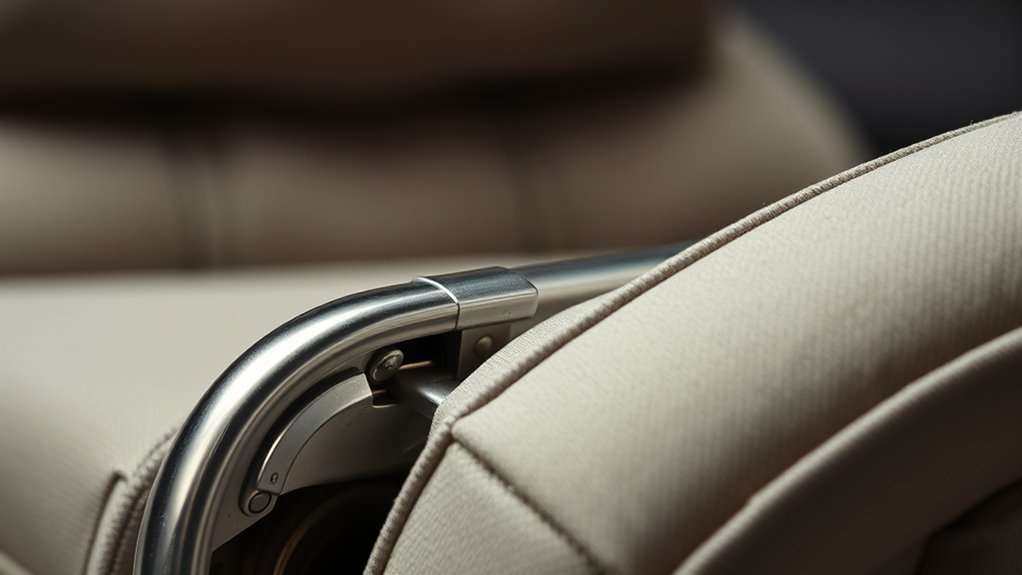
As space-saving recline mechanisms are used more frequently, they tend to generate increased noise and experience faster wear. This is often due to reduced sound insulation, allowing noise from moving parts to be more noticeable. Over time, vibrations from frequent adjustments can weaken joints and components, leading to increased wear. Without proper vibration dampening, these movements cause squeaks and rattles that worsen with use. To minimize these issues, choose designs that incorporate effective vibration dampening materials and sound insulation features. Regular maintenance also helps prevent excessive wear and keeps noise levels in check. Recognizing these hidden costs ensures you can select recline mechanisms that maintain quieter operation and longevity, ultimately saving you money and frustration down the line. Additionally, understanding the importance of joint stability can help prevent early mechanical failure.
Reduced Longevity of Moving Parts
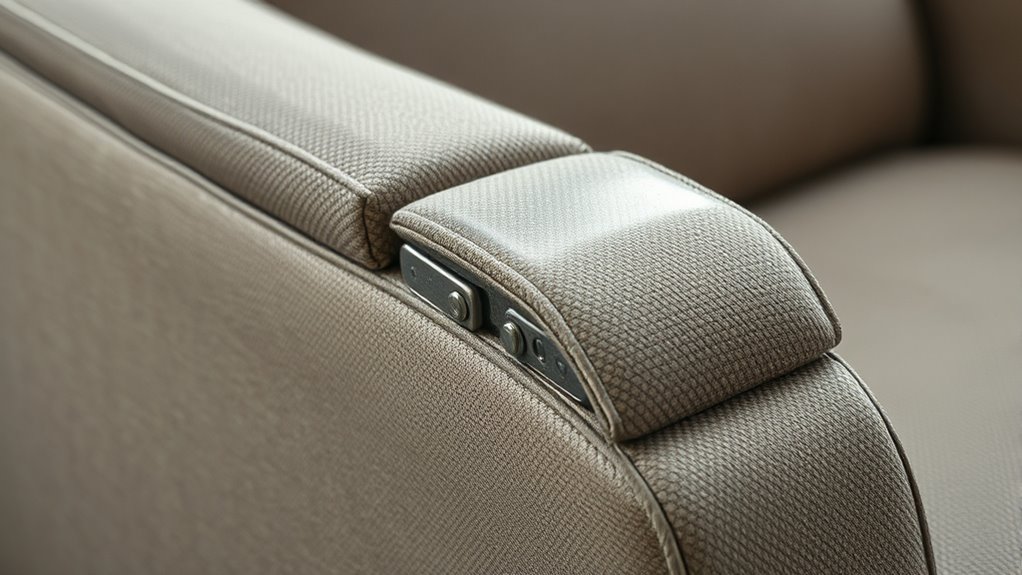
Frequent use of space-saving recline mechanisms accelerates the wear and tear on their moving parts, causing them to deteriorate more quickly than traditional designs. The increased material fatigue from constant motion weakens components, leading to potential failure sooner. Additionally, the design complexity of these mechanisms often introduces tighter tolerances and more stress points, making parts more vulnerable. Over time, you might notice creaking, sticking, or even sudden breakdowns, which can be frustrating and costly. The shorter lifespan of these moving parts means you’ll need to replace or repair your recline system more often, diminishing its long-term value. Moreover, hackathons have demonstrated the importance of designing with durability in mind to prevent premature failures and costly repairs. The disappointment as your furniture fails prematurely, the anxiety of unexpected repairs, and regret over investing in a design that sacrifices durability all become more prominent when longevity is compromised.
Potential Difficulty in Repairs and Maintenance
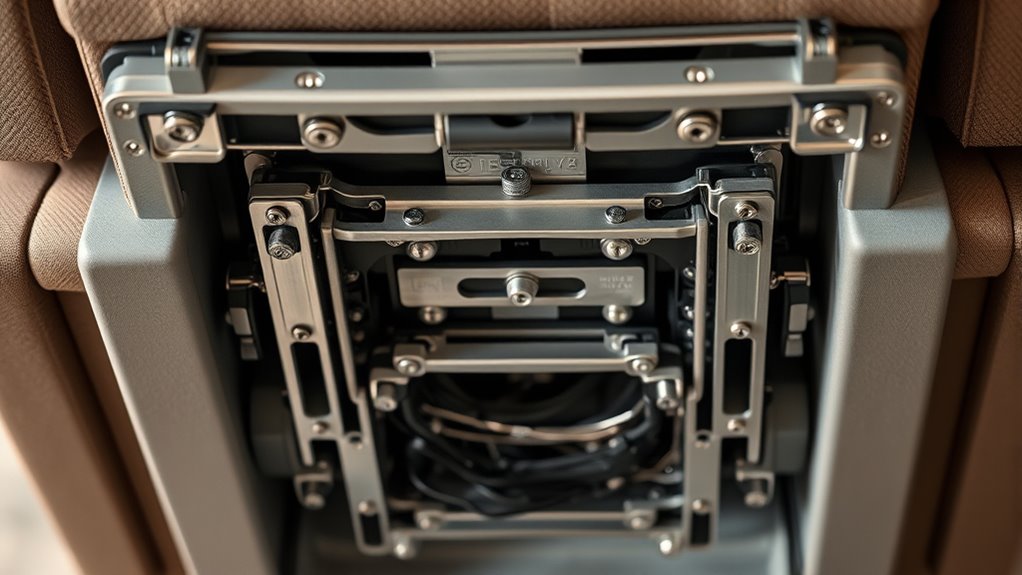
Because space-saving recline mechanisms often feature complex, tightly packed parts, they can be challenging to repair or maintain. The design complexity means that accessing specific components is difficult, requiring disassembly of other parts to reach the faulty area. This limited repair accessibility can lead to higher repair costs and longer downtimes. You might find that fixing issues yourself isn’t practical, as specialized tools or expertise are often necessary. Additionally, the intricate design increases the likelihood of accidental damage during repairs. Over time, this can make routine maintenance more cumbersome and costly. Furthermore, repair accessibility is often compromised, making it harder to perform timely and effective repairs. Ultimately, while space-saving recline mechanisms maximize room, they often sacrifice ease of maintenance, making repairs more complicated and less straightforward than traditional designs.
Impact on Overall Stability and Safety

When recline geometry is changed to save space, your chair’s center of gravity shifts, making it less stable. This increases the risk of tipping over, especially on uneven surfaces. Additionally, the structural integrity may weaken, raising safety concerns during regular use. Security considerations are important to ensure that modifications do not compromise overall safety and stability.
Altered Center of Gravity
Altered center of gravity is a critical factor that directly affects the stability and safety of space-saving recline geometry. When the center of gravity shifts due to compact design, your weight distribution changes, making the furniture less stable. This can lead to unsettling feelings of imbalance and increased risk of tipping over. You might not notice the subtle shift until it’s too late, risking injury or damage. The key is understanding how these modifications impact overall safety, especially if you’re relying on the furniture daily. Be alert to these emotional triggers:
- The sudden fear of falling when leaning back
- The discomfort of feeling off-balance
- The anxiety over unexpected tipping moments
Understanding stability principles can help you better assess and mitigate these risks.
Increased Tipping Risks
Shifting the center of gravity in space-saving recline furniture directly increases the risk of tipping over, compromising overall stability and safety. When the weight distribution becomes uneven or concentrated toward the rear or sides, your furniture’s center stability diminishes. This instability makes it easier for the piece to tip if you lean back suddenly or if someone shifts their weight unexpectedly. Reduced stability isn’t just a minor inconvenience; it can lead to falls and injuries, especially for children or elderly users. By prioritizing proper weight distribution, you help maintain a balanced center of gravity, which keeps the furniture stable during use. Recognizing how space-saving designs affect tipping risks allows you to choose safer, more stable recline furniture options. Additionally, understanding the laws of physics involved can help you make informed decisions about furniture safety and stability.
Reduced Structural Integrity
Reduced structural integrity in space-saving recline furniture can markedly compromise its overall stability and safety. Over time, material fatigue and structural weakening weaken the frame, making the furniture more prone to sudden failure. This hidden flaw can lead to unexpected collapses, risking injury and damage. You may notice creaking sounds or looseness as signs of ongoing deterioration.
Be aware of these dangers:
- Sudden collapse during use, causing falls
- Increased risk of injury from weakened frames
- Long-term safety hazards due to unseen structural damage
Ignoring these issues can turn a space-saving solution into a safety hazard. Proper design and regular inspections are essential to avoid the unseen costs of compromised structural integrity.
Hidden Costs in Future Upgrades or Replacements

While space-saving recline geometry may seem like a smart investment initially, it often leads to unexpected costs when upgrading or replacing components later on. You might face costly replacements because parts are designed for compactness, limiting compatibility with standard upgrades. These limitations can force you to buy specialized, often expensive, replacement parts instead of readily available options. As a result, future upgrades become more complex and costly, reducing your flexibility. You may also encounter design constraints that prevent installing newer, improved features without significant modifications. Ultimately, the initial savings in space can turn into long-term expenses, making you pay more for maintenance, repairs, or future upgrades than you’d pay with traditional designs. Be aware of these hidden costs before choosing space-saving recline geometries.
Frequently Asked Questions
How Do Hidden Costs Affect Long-Term Furniture Investments?
Hidden costs can substantially impact your long-term furniture investments. Durability concerns mean that cheaper, space-saving recline furniture might wear out faster, leading to frequent replacements. Maintenance expenses also add up if the design complicates repairs or cleaning. You might save money initially, but these hidden costs could outweigh the benefits over time, making it smarter to invest in quality, durable pieces that require less upkeep and last longer.
Are There Safety Risks Associated With Space-Saving Recline Designs?
You might not notice it at first, but safety hazards lurk in space-saving recline designs if structural integrity isn’t carefully engineered. Poorly constructed mechanisms could unexpectedly fail, risking injury. Always check for robust materials and secure joints, because compromised structural integrity can lead to dangerous collapses. Avoid shortcuts—prioritize safety features and professional assembly to guarantee your furniture remains both space-efficient and safe, giving you peace of mind.
Can Compact Recline Mechanisms Lead to Increased Energy Consumption?
Yes, compact recline mechanisms can lead to increased energy consumption if they sacrifice energy efficiency. When these designs are not optimized, they may require more power to operate smoothly, raising overall power consumption. To avoid this, you should focus on selecting mechanisms with energy-efficient components and guarantee proper maintenance. This approach helps keep power consumption low, maintaining the balance between space-saving benefits and energy efficiency.
What Are the Environmental Impacts of Replacing Compact Recline Furniture?
When you replace compact recline furniture, you’re likely reducing waste and conserving space, which benefits the environment. Opt for pieces made from sustainable materials and produced through eco-friendly manufacturing processes. This minimizes your carbon footprint and promotes resource conservation. By choosing eco-conscious options, you support sustainable practices and reduce harmful environmental impacts associated with furniture disposal and production, helping create a healthier planet for future generations.
How Do Hidden Costs Influence Overall Furniture Warranty Coverage?
Hidden costs, like warranty exclusions, directly impact your furniture warranty coverage. When issues arise from space-saving recline geometry, you might face unexpected repair costs that aren’t covered under standard warranties. These concealed costs can reduce your overall protection, leaving you responsible for repairs. To avoid this, choose furniture with all-inclusive warranties and understand what’s included, so you’re not caught off guard by costly repairs that aren’t covered.
Conclusion
Think of space-saving recline mechanisms as the tightrope walker balancing on a thin wire. While they save space, one misstep can lead to costly falls—wear, repairs, and safety risks. To avoid this, weigh the risks carefully before choosing. By understanding the hidden costs, you’ll keep your furniture steady and reliable, avoiding surprises that could turn your sleek setup into a costly circus act. Stay balanced, and choose wisely.