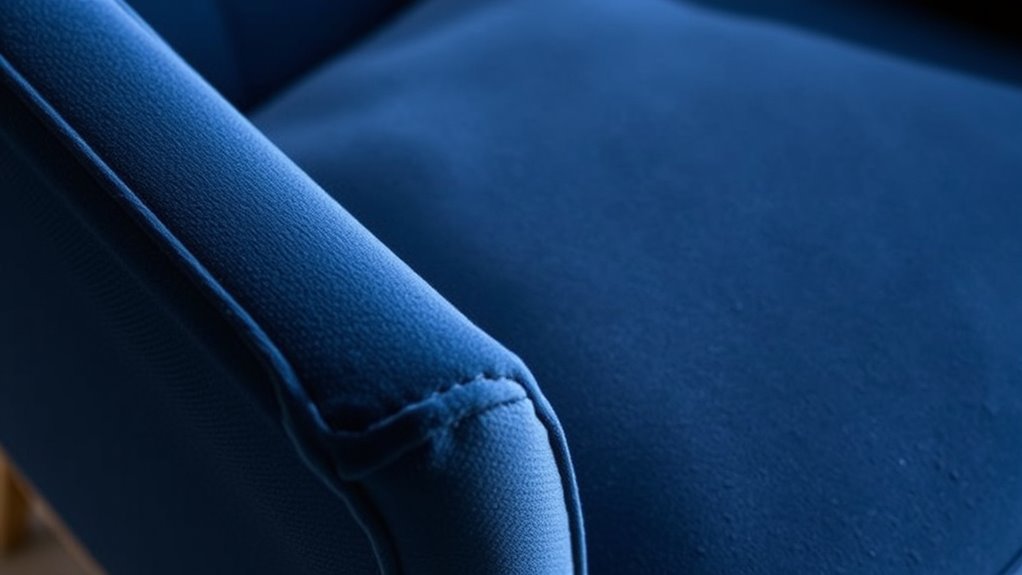

To protect your chair’s upholstery from cracks and wear, choose durable fabrics like microfiber or leather, and steer clear of delicate materials. Regularly vacuum and clean with gentle tools and solutions, following manufacturer guidelines. Apply fabric protectors to guard against spills and UV rays that cause fading. Prevent unnecessary stress and avoid direct sunlight to extend your furniture’s life. Keep going to discover more simple tips to keep your upholstery looking great longer.
Key Takeaways
- Regularly vacuum or brush upholstery to remove dust and prevent debris from causing wear.
- Use protective fabric sealants to create a barrier against spills and stains.
- Avoid exposing furniture to direct sunlight to prevent fading and cracking.
- Select durable, tightly woven fabrics like microfiber or leather for better longevity.
- Handle upholstery gently and follow manufacturer cleaning guidelines to prevent fiber damage.
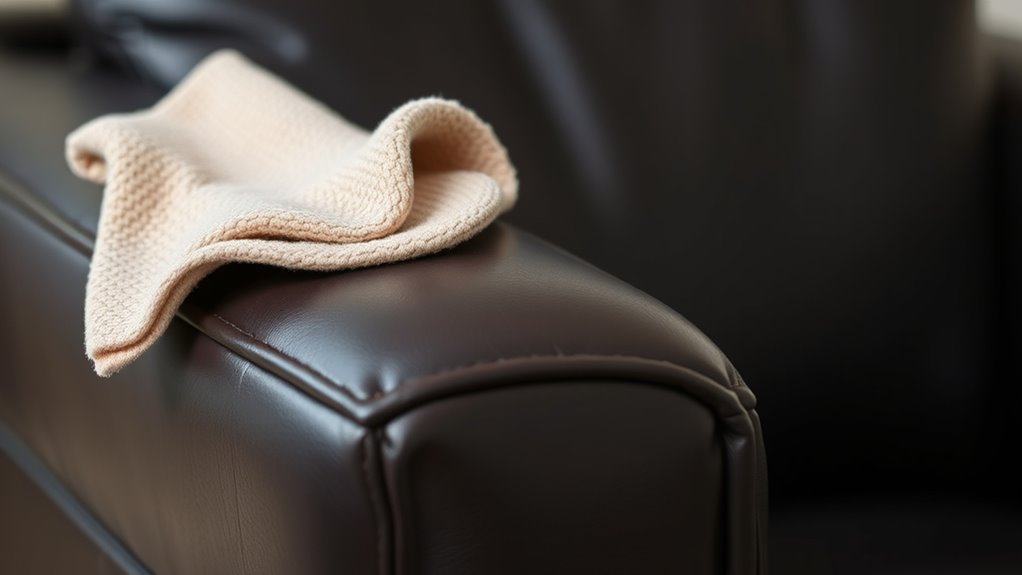
Your chair upholstery endures daily wear and tear, but with proactive measures, you can keep it looking fresh and new for years to come. One of the most effective ways to do this is by choosing the right fabric and mastering proper cleaning techniques. Fabric selection plays a crucial role because some materials are naturally more resistant to cracking and fading than others. For example, tightly woven fabrics like microfiber or leather tend to hold up better over time compared to delicate materials like silk or lace. When selecting fabric, consider its durability, stain resistance, and ease of cleaning, as these factors will influence how well your upholstery withstands daily use and how simple it is to maintain its appearance.
Choosing durable, stain-resistant fabrics like microfiber or leather extends your chair’s lifespan.
Once you’ve picked the appropriate fabric, it’s essential to develop a consistent cleaning routine. Regularly vacuum or brush your upholstery to remove dust, dirt, and debris before they settle deep into the fibers. Use a soft brush attachment or microfiber cloth to gently lift particles without damaging the fabric. For spot cleaning, always refer to the manufacturer’s guidelines to ensure you’re using compatible cleaning techniques. In many cases, a mild soap solution or specialized upholstery cleaner works effectively for removing stains and preventing dirt buildup, which can cause fibers to weaken and crack over time. Avoid harsh chemicals or abrasive scrubbers, as they can deteriorate the fabric’s surface and accelerate wear.
In addition to routine cleaning, consider applying fabric protectors or sealants that are compatible with your upholstery material. These products create a protective barrier against spills, stains, and dirt, extending the life of your furniture. Be sure to follow application instructions carefully and reapply as recommended to maintain effectiveness. Protecting your furniture from direct sunlight is also vital—UV rays can cause fabrics to fade, become brittle, and crack prematurely. Use curtains, blinds, or UV-protective window films to shield your chairs from harsh sunlight, especially if they’re positioned near windows. Additionally, choosing the right type of headphone jack for your devices can ensure optimal sound quality and compatibility, which is essential if you’re listening to music or podcasts while caring for your furniture.
Finally, take care of your upholstery by avoiding unnecessary stress on the fabric, such as pulling or rubbing harshly when adjusting cushions or cleaning. Implementing these strategies—selecting the right fabric, practicing proper cleaning techniques, and taking preventive measures—will help you preserve your chair’s upholstery, preventing cracks and wear. With consistency and care, your furniture will stay inviting and in excellent condition, saving you money and effort in repairs or replacements down the line.
Frequently Asked Questions
How Often Should I Rotate My Chair Cushions for Even Wear?
You should rotate your chair cushions every 1 to 3 months to guarantee even wear prevention. Regular cushion rotation helps distribute pressure evenly, reducing the risk of cracks and premature wear. By making this a routine, you’ll maintain your chair’s comfort and appearance longer. Keep an eye on high-use areas and rotate accordingly to maximize the lifespan of your upholstery and keep your chair looking its best.
Can Using a Slipcover Damage the Upholstery Over Time?
Ever wonder if a slipcover could harm your upholstery? It generally won’t if you maintain it properly. Regular slipcover maintenance, like washing and adjusting it, helps prevent damage. Just make certain the slipcover fits well and isn’t too tight, which can cause stress on the fabric over time. By doing so, you protect your chair’s upholstery durability and keep it looking fresh without risking cracks or wear.
Are There Specific Cleaning Agents Best Suited for Different Upholstery Types?
Yes, using the right cleaning agents is essential for your upholstery. You should choose detergents specifically formulated for your fabric type to guarantee safety and effectiveness. Always check detergent safety labels and follow recommended cleaning frequency to prevent damage. For delicate fabrics, opt for gentle cleaners and avoid harsh chemicals. Regular, appropriate cleaning helps maintain your chair’s appearance and extends its lifespan without risking cracks or wear.
How Do I Prevent Pet Claws From Damaging My Chair Fabric?
Think of pet claw protection like giving your furniture a sturdy shield. To prevent fabric scratch damage, trim your pet’s claws regularly and consider using soft claw caps. You can also apply fabric scratch prevention sprays or place pet-friendly throws over your chair. These steps create a barrier, much like armor, keeping your chair’s upholstery intact while allowing your furry friend to stay comfy.
What Are the Signs That My Upholstery Needs Professional Repair?
You’ll know your upholstery needs professional repair if you notice fabric tears that worsen over time or if the color fading becomes uneven or more pronounced. These signs indicate damage that simple cleaning can’t fix. Pay attention to frayed edges, loose seams, or areas where the fabric looks worn out. Addressing these issues early helps preserve your chair’s appearance and extends its lifespan.
Conclusion
By taking simple steps to protect your chair’s upholstery, you’ll find that cracks and wear become less likely, saving you money and hassle. Imagine, after a busy day, sinking into a chair that still feels fresh and smooth, almost like it’s kept in a cozy corner of your home just for you. When you care for it consistently, your chair becomes more than furniture — it’s a trusted spot for relaxation, standing strong through every moment.