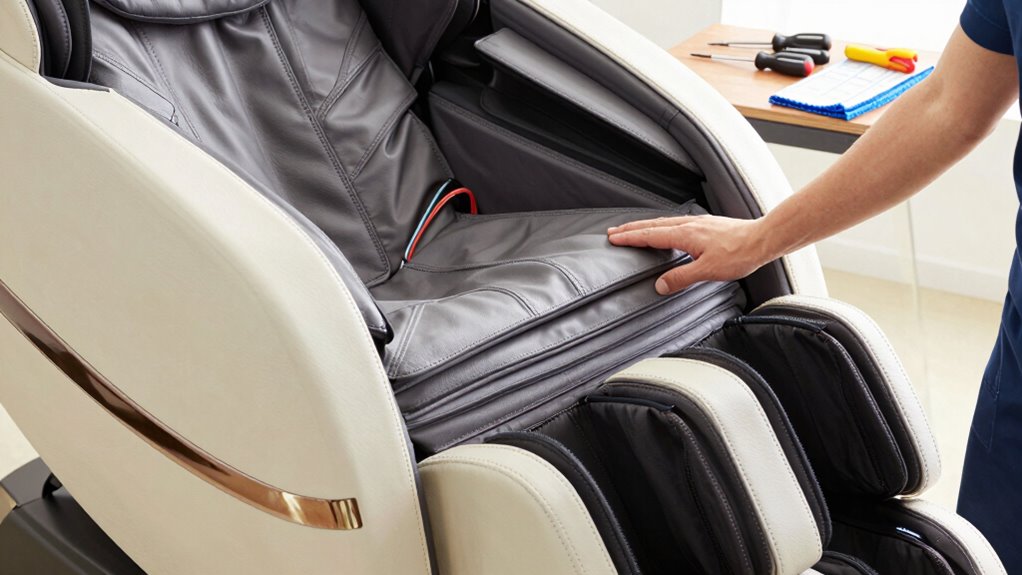

To maintain your massage chair in just 10 minutes, start by unplugging it and wiping all surfaces with a soft, damp cloth, paying attention to areas in contact with your body. Check and tighten any loose screws, inspect cords for damage, and remove dust from air vents. Power it on and test all functions, ensuring buttons respond and features operate smoothly. Regular upkeep prevents issues; keep going to discover how to keep your chair in top shape.
Key Takeaways
- Unplug the chair and clean all surfaces with a soft, damp cloth, focusing on areas in contact with the body.
- Inspect electrical cords for damage and tighten any loose screws or bolts on panels and parts.
- Power on the chair to test all massage functions and check for error codes or unusual noises.
- Verify control panel and remote responsiveness, replacing batteries if buttons are unresponsive.
- Clean air vents, ensure proper ventilation, and check mechanical components for secure fastening to prevent overheating and damage.
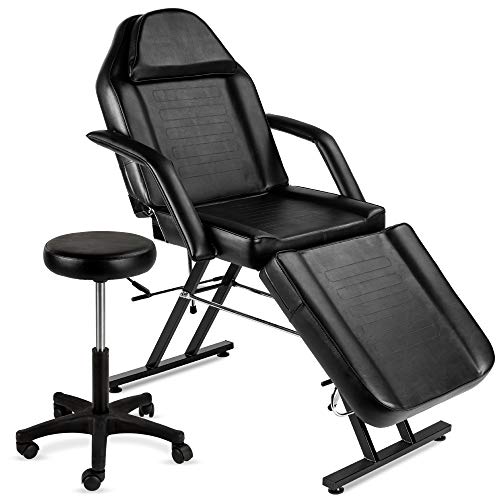
Best Choice Products 71in 3-Section Multipurpose Massage Bed, Spa & Salon Facial, Tattoo Chair w/Hydraulic Stool, Removable Headrest, Facial Cradle, Towel Hanger – Black
MULTIPURPOSE: This 3-section bed and chair combination works as a full-body massage bed, facial chair, or even as…
As an affiliate, we earn on qualifying purchases.
As an affiliate, we earn on qualifying purchases.
Monthly Massage Chair Maintenance Routine
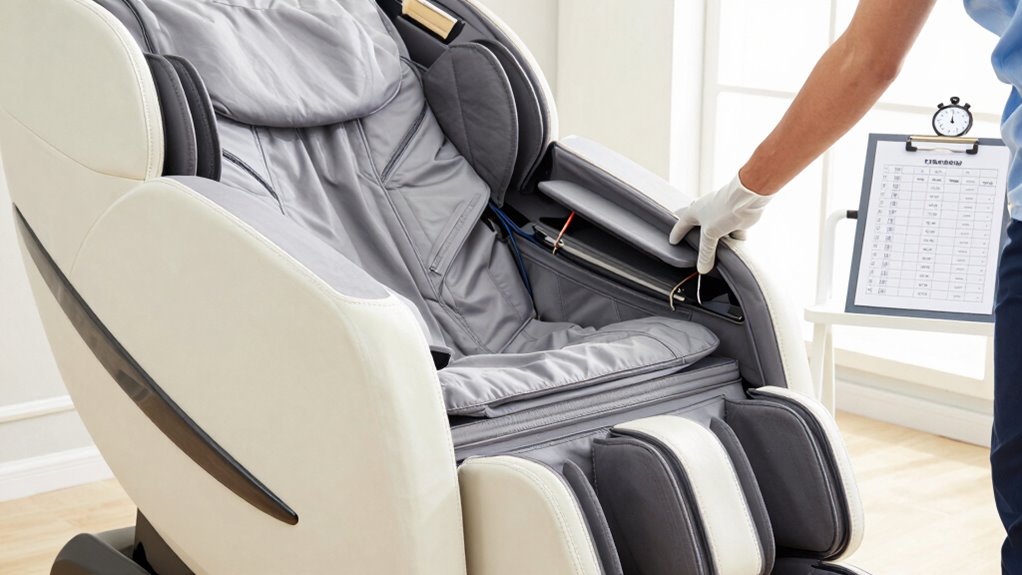
Keeping your massage chair in top shape requires regular maintenance, and performing a monthly check is essential. This quick routine helps you catch potential issues early, ensuring your chair continues to deliver the relaxing experience you expect. In just about 10 minutes, you can keep everything running smoothly by focusing on simple cleaning routines and troubleshooting tips.
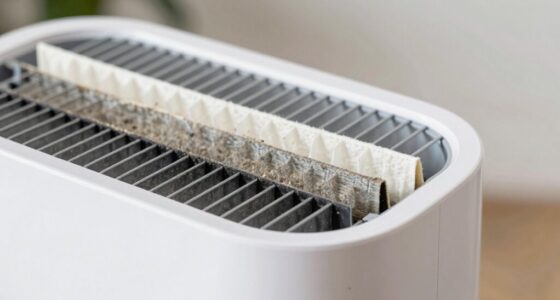
Start by unplugging your massage chair to guarantee safety. Use a soft, damp cloth to wipe down all surfaces, paying close attention to the areas that come into direct contact with your body. Regular cleaning routines prevent dust, sweat, and oils from accumulating, which can degrade the upholstery over time. For stubborn spots, a gentle solution of mild soap and water works well, but avoid harsh chemicals that could damage the material. Keep the air vents clear by dusting them with a soft brush or compressed air. Proper ventilation is key for motor health and prevents overheating, especially considering airflow and ventilation importance in device longevity. Ensuring proper heat dissipation also helps maintain motor efficiency and prevents potential breakdowns. Additionally, considering device lifespan when maintaining your chair can help you plan for long-term care and replacement cycles.
Unplug and gently wipe all surfaces; keep vents clear to maintain your massage chair’s health.
Next, check the electrical cords and connections. Look for any fraying, cracks, or loose plugs. If you notice any damage, you should replace or repair the cords immediately to prevent electrical hazards. Tighten any loose screws or bolts that secure the panels or mechanical parts—loose components can cause noise or malfunction during operation. This simple step can save you from larger repairs down the line. Regularly inspecting electrical safety aspects helps avoid potential hazards and extends your chair’s lifespan.
After cleaning and inspecting physical parts, move on to troubleshooting tips. Power on the chair and test all massage functions to ensure they respond correctly. If something isn’t working as expected, consult your user manual for troubleshooting advice specific to your model. Often, resetting the chair by unplugging it for a few minutes can resolve minor glitches. Also, check for error codes on the display panel, which can guide you to specific issues like sensor problems or motor errors. Keep these notes handy so you can reference them quickly.
Additionally, incorporating sound design techniques such as ambient noise reduction can improve your troubleshooting environment by minimizing distractions and focusing your attention on operational sounds or errors. This can help you better identify unusual noises that may indicate mechanical issues. Finally, review the remote control and control panel. Make sure buttons are responsive and the display is clear. Replace batteries if needed. Confirm that all features are accessible and functioning properly. If your chair has adjustable settings, verify they work smoothly across different modes and intensity levels.
In just 10 minutes, this routine keeps your massage chair in excellent condition, extending its lifespan and ensuring you always get the best experience. Regularly performing these simple steps not only helps you troubleshoot minor issues before they become major problems but also maintains the cleanliness and functionality of your chair. With consistent care, your massage chair remains a reliable source of relaxation for years to come.

InterDynamics Certified A/C Pro Vent and Duct Cleaner, Professional Strength Odor Eliminator for Cars, Truck, HVAC, 10 Oz
Do-it-yourself automotive vent & duct cleaner odor neutralizer
As an affiliate, we earn on qualifying purchases.
As an affiliate, we earn on qualifying purchases.
Frequently Asked Questions
Can I Use Household Cleaning Products on My Massage Chair?
You should avoid using household cleaning products on your massage chair because they may contain harsh chemicals that damage the upholstery or electronic parts. Instead, use gentle cleaning agents specifically designed for furniture or surface disinfectants safe for electronics. Always check the manufacturer’s guidelines before cleaning, and opt for a soft cloth dampened with mild cleaning solutions to keep your chair clean without risking damage.
How Often Should I Replace the Chair’s Filters or Oils?
You should replace the chair’s filters and refresh the oils every 3 to 6 months, depending on usage. Regular filter replacement guarantees peak performance and air quality, while an oil refresh keeps the massage mechanisms smooth and effective. Keep an eye on your chair’s manual for specific intervals, but generally, staying consistent with filter replacement and oil refresh will extend your chair’s lifespan and maintain a relaxing massage experience.
Is It Safe to Perform Maintenance Myself or Should I Hire a Professional?
Think of your massage chair as a delicate garden needing gentle care. For DIY safety, if you’re comfortable with basic tasks and follow instructions, you can perform simple maintenance yourself. However, for complex issues or electrical repairs, it’s wise to hire a professional repair expert. This guarantees safety and prevents damage. Trust your instincts—if unsure, consulting a professional keeps your relaxation haven safe and in top shape.
What Signs Indicate My Massage Chair Needs Urgent Repairs?
If your massage chair exhibits electrical issues or makes unusual noises, it needs urgent repairs. Electrical problems like sparks, shorts, or failure to power on indicate serious wiring issues. Unusual noises such as grinding or squealing suggest motor or mechanical component failures. Don’t ignore these signs; unplug the chair and contact a professional technician promptly to prevent further damage or potential safety hazards.
How Long Does a Typical Monthly Maintenance Routine Take?
A typical monthly maintenance routine usually takes about 10 minutes, making it quick and easy to fit into your schedule. During this time, you’ll check for signs of wear, clean surfaces, and guarantee all parts function properly. The routine duration is short, so you can stay on top of your massage chair’s upkeep without much hassle, helping it operate smoothly and last longer.

Muhubaih 8 Female Pin Hand Remote Control for Massage Power Lift Recliner Chair, for DN-03 Heat & Vibration Controller for Chair, with 30 in Length Extension Connection Cord 12VDC
【Compatible Only with DN-03 Models】Verify "DN-03" on your recliner's circuit board. Controls 4 massage zones (back/lumbar/thigh/leg) & heating….
As an affiliate, we earn on qualifying purchases.
As an affiliate, we earn on qualifying purchases.
Conclusion
By sticking to this quick 10-minute routine each month, you keep your massage chair running smoothly and extend its lifespan. For instance, Sarah noticed her chair’s motor was quieter and more responsive after just a few months of regular maintenance. Skipping these steps might lead to costly repairs down the line. So, make it a habit—your chair will thank you, and you’ll enjoy a consistent, relaxing massage every time.

ECSiNG Massage Chair Head with Screw 101x43x35mm for Backrest Shoulder Massage Chair
Precise Replacement Part: Fits massage chair backrest and shoulder sections, ensuring smooth rotation.
As an affiliate, we earn on qualifying purchases.
As an affiliate, we earn on qualifying purchases.