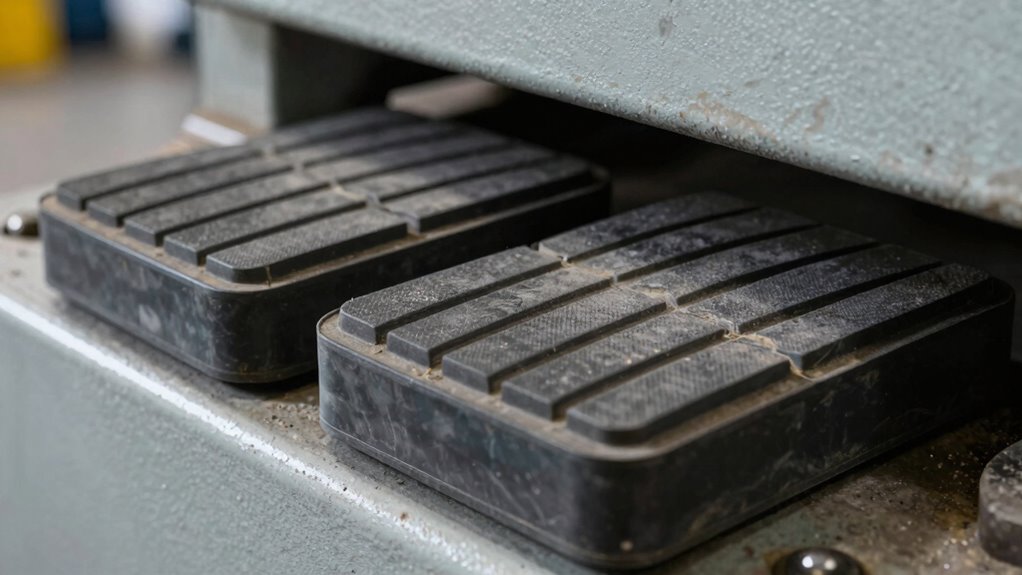

You need to check your anti-vibration pads occasionally because over time, they can wear out, crack, or harden, reducing their ability to dampen vibrations effectively. Environmental factors like heat, moisture, or chemicals can also cause premature deterioration. Misalignment or displacement can further decrease their performance. Regular inspections guarantee you catch these issues early, helping prevent machinery damage. If you want to know how to keep your pads in top shape, there’s more to discover.

Get wellness gear delivered free — and shop member deals
- Fast, free delivery on millions of items
- Access to Prime Big Deal Days deals on October 6–7
- Prime Video, Amazon Music and more included
Key Takeaways
- Anti-vibration pads can degrade over time, reducing their effectiveness in dampening vibrations.
- Regular inspections identify signs of material deterioration like cracks or hardening.
- Proper installation and alignment are crucial for maintaining optimal vibration absorption.
- Environmental factors such as heat, moisture, or chemicals can weaken pad materials.
- Staying updated on new materials and technology ensures better maintenance and longevity.
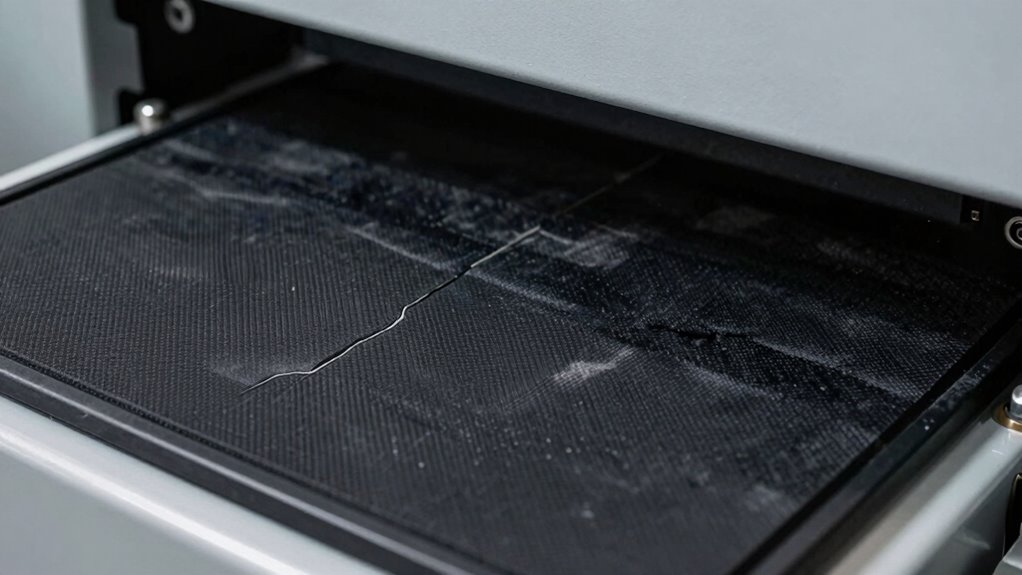
Have you ever wondered if your anti-vibration pads are doing their job effectively? Over time, even the best pads can lose their ability to dampen vibrations, which makes regular checks essential. When you evaluate your pads, one of the key factors to consider is the vibration frequency of the equipment they support. Different machines produce varying vibration frequencies, and if the pads aren’t suited for those specific frequencies, they won’t absorb shocks properly. If you notice increased noise or unexpected vibrations, it might be time to reassess whether your pads are still the right fit.
Regularly check your anti-vibration pads to ensure they match your equipment’s vibration frequencies for optimal performance.
The material of your anti-vibration pads plays a critical role in their performance. Pads made from rubber, foam, or specialized composites each have different characteristics that affect how they absorb vibrations. Over time, the pad material can degrade due to environmental exposure, compression, or chemical reactions, reducing their effectiveness. Regular inspections help you catch these signs early. If you see cracks, hardening, or flattening, it’s a clear indicator that the material has deteriorated, and you’ll need to replace the pads to prevent further damage to your equipment.
Checking your anti-vibration pads isn’t just about inspecting their physical condition; you should also consider their positioning and installation. Sometimes, pads can shift or become misaligned, which reduces their ability to dampen vibrations at the intended points. Proper placement ensures that the vibration frequency is effectively absorbed and transmitted away from sensitive components. When you perform checks, look for signs of displacement or uneven wear, as these issues can compromise the overall vibration control. Ensuring correct installation practices can significantly extend the lifespan and effectiveness of your pads. Additionally, understanding the vibration frequency of your equipment can help you select the most suitable pads for your specific needs.
Temperature and environmental factors can also affect pad performance. Excessive heat, moisture, or exposure to chemicals can weaken the pad material over time, leading to reduced effectiveness. During your inspections, assess whether environmental conditions have contributed to any damage. If your pads are exposed to harsh conditions, you might need to choose a more resistant material or schedule more frequent checks. Moreover, considering the environmental conditions can help you optimize your maintenance routine and select pads that are better suited to withstand those factors. Incorporating environmental considerations into your maintenance routine can prevent premature deterioration.
Lastly, staying informed about the latest materials and advancements in anti-vibration technology can help you make better choices for your maintenance routine. Ultimately, regular checks of your anti-vibration pads ensure your machinery operates smoothly and prevents costly repairs down the line. By paying attention to vibration frequency compatibility, evaluating pad material integrity, verifying proper installation, and considering environmental impacts, you guarantee your vibration mitigation system remains effective. Don’t wait until you notice signs of failure—make routine inspections a part of your maintenance routine to keep everything running quietly and efficiently.
As an affiliate, we earn on qualifying purchases.
Frequently Asked Questions
How Often Should Anti-Vibration Pads Be Inspected?
You should inspect anti-vibration pads at least every six months as part of your maintenance schedule. Regular inspection procedures help identify signs of wear, deterioration, or damage early. If your equipment operates in harsh conditions or sees frequent use, consider inspecting them more often, like quarterly. Consistent checks guarantee the pads function properly, reducing vibration issues and extending their lifespan, ultimately maintaining safe and efficient operation of your machinery.
Are There Signs Indicating a Pad Needs Replacement?
Think of your anti-vibration pad like a tire; if it’s cracked or worn, it’s time for replacement. Signs include visible damage to the pad material, persistent vibrations, or unusual noise during operation. Usually, replacement frequency depends on usage, but if you notice these signs, it’s a clear indicator. Regular checks help you catch deterioration early, ensuring your pad remains effective and preventing costly equipment issues.
Can Improper Installation Damage Anti-Vibration Pads?
Yes, improper installation can damage anti-vibration pads. When you don’t follow installation safety protocols, you risk misaligning the pads or applying excessive force, which can compromise their effectiveness. Additionally, confirm material compatibility; using pads made from incompatible materials may lead to deterioration or damage over time. Proper installation guarantees peak performance, protects your equipment, and extends the lifespan of your anti-vibration pads.
Do Different Machines Require Different Types of Pads?
Absolutely, different machines demand different types of pads—one size definitely doesn’t fit all! You need to take into account material compatibility to prevent damage or degradation, and environmental considerations to ensure longevity. Heavy-duty machinery might need thicker, more durable pads, while sensitive equipment benefits from softer, vibration-absorbing materials. Matching the right pad to your machine helps reduce noise, prevent damage, and keep everything running smoothly, no matter the environment.
What Tools Are Needed for Checking Anti-Vibration Pads?
You’ll need basic tools like a wrench, screwdriver, and possibly a spirit level to check anti-vibration pads. Start by inspecting material compatibility to make certain the pads still suit your machine’s requirements. Use your tools to examine installation techniques, verifying that the pads are properly aligned and secure. Regular checks help identify wear or damage early, maintaining effective vibration absorption and preventing potential equipment issues.
As an affiliate, we earn on qualifying purchases.
Conclusion
So, next time you confidently slap on those anti-vibration pads, remember—they need checking just as much as your old shoes. It’s amusing how something designed to prevent chaos can cause it if neglected. After all, the only thing more surprising than vibrations is how easily they sneak back in when you’re not paying attention. So don’t forget to give those pads a quick look—because ignoring them might just turn your peace and quiet into a surprising racket.
anti-vibration pad inspection kit
As an affiliate, we earn on qualifying purchases.
As an affiliate, we earn on qualifying purchases.
As an affiliate, we earn on qualifying purchases.
Fall Picks
fall essentials
As an affiliate, we earn on qualifying purchases.