TL;DR
At-home massage devices range from percussion guns and vibrating cushions to foam rollers and foot massagers. They may support temporary comfort or relaxation, but they do not diagnose or cure pain; choose by intended use and comfort, start gently, and ask a clinician for guidance if you have relevant health conditions or persistent symptoms.
Match the device to the body area and sensation you want; a massage gun, cushion, and foam roller work differently.
Consumer devices may support temporary comfort or relaxation, but they are not a diagnosis, cure, or substitute for medical care.
Compare grip, weight, intensity, noise, cleaning, warranty, and replacement parts; more power and more attachments don’t guarantee a better fit.
Follow product instructions, begin gently, and stop for sharp pain, numbness, bruising, swelling, or worsening symptoms.
Ask a clinician before use if you are pregnant, take blood thinners, have clot risk or significant neuropathy, or are recovering from surgery or injury.

Get wellness gear delivered free with Prime
- Fast, free delivery on millions of items
- Prime Video, Amazon Music and more included
- Member-only deals all year
What at-home massage devices can—and can’t—do for you
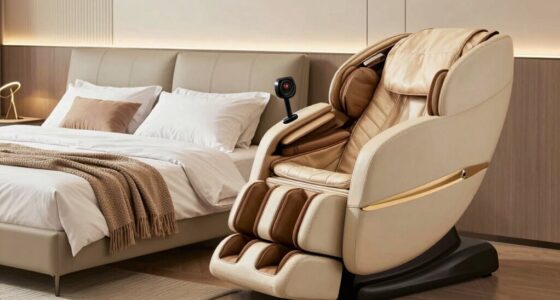
At-home massage devices are tools that apply pressure, vibration, kneading, or compression to create a massage-like feeling; some people find that feeling relaxing or temporarily soothing. They come in powered forms, such as massage guns and chairs, and simple forms, such as foam rollers and massage balls. The effect depends on the device, how you use it, and your own body. That variation is useful to keep in mind: a sensation that feels pleasant is a personal response, not proof that a device has changed the underlying cause of discomfort. A device may help your shoulders feel less tense for a while after a long video-call day, but that does not mean it treats the reason your shoulders hurt. Claims that a gadget breaks up scar tissue, removes toxins, or permanently fixes pain are not well established. Research on consumer devices is mixed, so treat a confident slogan as a sales claim unless credible evidence supports it. Imagine finishing a brisk walk with tight calves. A gentle session with a roller might feel pleasant; another person may prefer a vibrating foot massager after standing all shift. The difference in preference is one reason no single device or intensity is best for everyone. Neither experience proves a cure. Temporary comfort is a reasonable goal; lasting or unexplained pain deserves a different kind of attention, because the source may need assessment rather than more pressure. > Use a home device to explore comfort, not to push through pain or replace medical care. If soreness is persistent, severe, unexplained, or getting worse, check in with a health professional. The safest next step depends on why you hurt, and a device cannot tell you that.Products Worth Considering

BowFlex Results Series 552 SelectTech Adjustable Dumbbell

Therabody SleepMask Blackout Eye Mask with Vibration

Levoit Eleva 300X Air Purifier with Fully Sealed HEPA Filtration and Smart Control
As an affiliate, we earn on qualifying purchases.
Choose the device that fits your routine and target area
At-home massage devices differ in where they apply pressure and how much control you have, so start with the area you want to use one on and the sensation you prefer. Those differences affect more than comfort: a focused tool may give you control over a small muscle area, while a hands-free cushion trades precise placement for convenience. A simple roller asks you to move your body over it, which can make pressure easier to adjust but requires more effort and mobility. | Device | How it feels or works | A practical example | |—|—|—| | Percussion massager | A moving head applies repeated pressure | You use a low setting briefly on a thigh muscle after a walk | | Vibrating massager | Vibration offers a broader, often gentler sensation | You rest a vibrating cushion behind your back while seated | | Shiatsu-style cushion or chair | Rotating nodes imitate kneading | You switch on a cushion for a short session after desk work | | Foot massager | Rollers, vibration, compression, or heat may be combined | You use a foot unit after a shift spent standing | | Foam roller or massage ball | Body weight and movement create pressure | You slowly roll your upper back against a foam roller | | Compression device | A wrap applies intermittent pressure | You use a leg wrap as directed, after checking whether it suits your health needs | A long list of attachments can look impressive, but it won’t help if the handle is tiring to grip or the device is awkward to position. Picture comparing two handheld models in a shop: the lighter one with easy controls may suit your routine better than a heavier model with more heads. A stronger setting also leaves less room for error if you are sensitive to pressure, so prioritize a range you can use comfortably over a high maximum speed. Compare comfort, usable intensity, noise, cleaning, warranty, and replacement parts before choosing. More power does not automatically mean a better fit.Use gentle pressure and let comfort set the pace
To use at-home massage devices more comfortably, follow the product instructions, begin at low intensity, and stop if the sensation turns painful or your symptoms worsen. Starting gently gives you a chance to learn how your body responds before increasing pressure; it also reduces the temptation to mistake intensity for effectiveness. That simple sequence helps you avoid treating a sore spot like a knot you must force into submission.- Check the instructions. Learn the intended areas, attachments, and any limits on session length. If the manual is missing, look for the manufacturer’s instructions before use. Attachments and settings can change how pressure is delivered, so instructions help you avoid guessing.
- Start low and briefly. Try the gentlest setting on an appropriate muscle area. For example, test a handheld device on a thigh rather than beginning with forceful pressure around your neck. A short trial lets you assess comfort before committing to a longer session.
- Keep it moving as directed. Avoid prolonged pressure on one spot. Don’t press directly on bones, the front of your neck, or injured or inflamed areas. Holding pressure in place can concentrate force, while moving as directed spreads contact over a wider area.
- Pay attention afterward. Stop if you notice sharp pain, numbness, bruising, or worsening symptoms. Don’t treat discomfort as proof the device is working. These signals mean the experience is not staying within your comfort range.
Compare features that make a device easier to live with
The best device for you is one you can handle comfortably, clean, and store—and whose settings suit your intended use. Start with the simple question: where would you actually use it? A compact cordless percussion tool might fit a gym bag, while a massage cushion makes more sense if you plan to use it on the sofa. A device that is easy to reach and set up is more likely to become part of your routine; a bulkier option may offer more functions but be inconvenient to use often. Check the grip and weight in your hand if you can. If you have to twist your wrist to reach a control, a long session may feel like work. Listen for motor noise, especially if you share a room with someone who is reading or working. For a vibrating cushion, test whether its shape fits the chair you already use. These ordinary details can matter more than an extra attachment you never reach for, because features only help when they make use easier or more comfortable. Newer products may offer quieter motors, adjustable speeds, heat or cooling features, and app connections. These are product trends; a feature’s presence does not prove it improves health outcomes. Adjustable speeds can help you find a comfortable setting, but they do not make forceful use suitable for every person. Heat may feel soothing, but it can burn skin, particularly when sensation is reduced. Use it only as directed and don’t fall asleep with a heated device running. Before you buy, check the warranty, return policy, cleaning instructions, and availability of replacement parts. These details help you judge the full cost and whether the device will remain practical after the first few uses. If a company promises to remove toxins or permanently fix pain, look for credible support for that exact claim. Choose for fit and usability first; a realistic tool you use gently is more useful than a feature-packed one gathering dust.Know when to check with a clinician before using one
Some health conditions and medications can make forceful massage or heat a poor fit, so ask a clinician before using an at-home device if you have a relevant risk or are recovering from an injury or surgery. Pressure and heat may affect people differently depending on sensation, circulation, skin health, and the reason for their symptoms. Your clinician can help you decide whether a particular device or body area needs special care. Get personal guidance if you’re pregnant, have a bleeding disorder, take blood-thinning medication, have a history of blood clots, significant neuropathy, or reduced skin sensation. Fragile skin and circulation problems can also change what feels safe. For instance, someone with numbness in their feet might not notice that a heated foot massager is becoming too hot. In that situation, the usual safeguard of stopping when heat feels uncomfortable may not work reliably, which is why personal advice matters. Stop using a device if you develop sharp pain, numbness, unusual swelling, bruising, or worsening symptoms. Pain that is severe, persistent, unexplained, or getting worse deserves clinical assessment; sudden or concerning symptoms call for prompt care. Continuing to massage could delay attention to a cause that needs a different response. A massage tool can’t sort a routine muscle ache from another cause, even if the product description says it targets a particular area. > If your body’s warning signs are muted, ask for guidance before adding heat or strong pressure. These precautions don’t mean every device is unsuitable for every person with a health condition. They mean that individual circumstances matter. A clinician who knows your situation can offer advice that a general product label cannot.Use a simple plan to decide whether a device earns its place
A useful buying plan starts with one specific need, then checks comfort, safety, and cost before you commit. This keeps the search grounded in your routine instead of turning it into a contest over the highest speed or the longest feature list. It also makes it easier to compare unlike products: ask whether each one fits the same use, rather than comparing features that may not matter to your goal.- Name the situation. Are you looking for a relaxing sensation after desk work, a way to apply pressure to a broad muscle area, or something for tired feet after standing? Keep the goal modest and specific. A clear goal helps rule out devices designed for a different area or type of sensation.
- Pick a device type. A cushion might suit someone who wants hands-free use in a chair; a roller might suit someone comfortable using body weight and movement. The tradeoff is convenience versus control: a cushion asks less of you, while a roller lets you adjust pressure through movement.
- Try the feel and controls. If possible, test the grip, pressure range, noise, and setup. Imagine reaching for it on an ordinary Tuesday, not only after a workout. If it is uncomfortable or fiddly during a short trial, those inconveniences are likely to make regular use less appealing.
- Read the fine print. Check instructions, return terms, warranty, cleaning, and any safety cautions. Treat unsupported health promises carefully. A return policy is useful if the device’s feel does not suit you after trying it at home.
- Review your experience. If gentle use feels unpleasant or your symptoms worsen, stop and reassess rather than buying a stronger model. A poor response is a reason to reconsider whether the device or the situation is right for you, not to assume that more intensity will solve it.