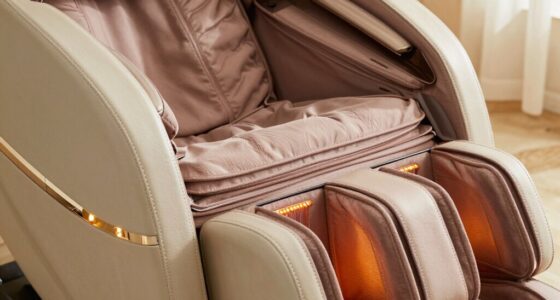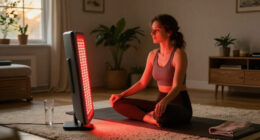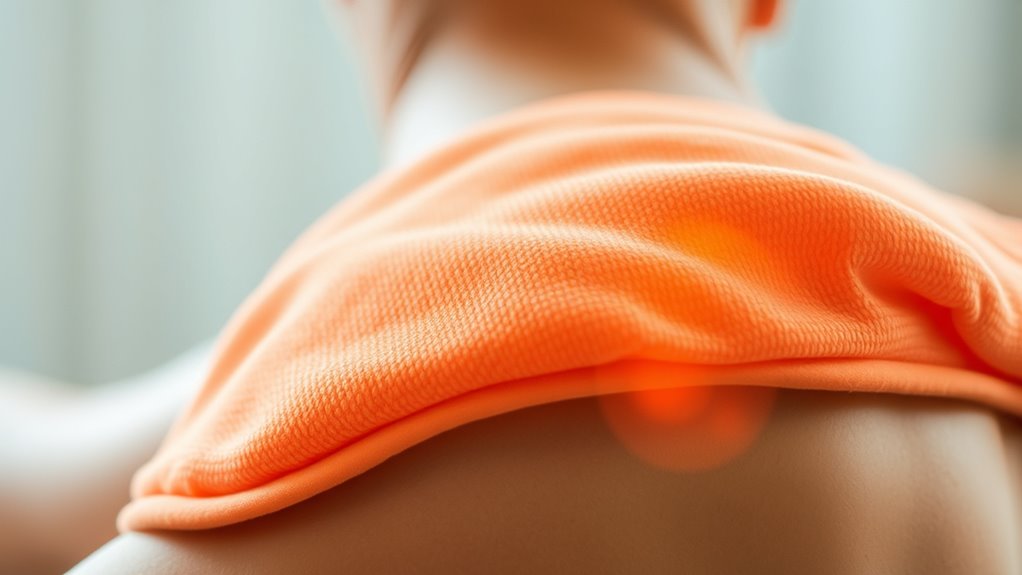

Heat therapy with heating pads enhances your massage by relaxing tense muscles, easing stiffness, and reducing pain. The warmth increases blood flow, helping your body recover faster and feel more comfortable. Using heat correctly can make your massage more effective and comforting. Just be sure to follow safety guidelines to avoid burns. To discover how to apply heat therapy properly and maximize its benefits, keep exploring this helpful approach further.

Get wellness gear delivered free with Prime
- Fast, free delivery on millions of items
- Prime Video, Amazon Music and more included
- Member-only deals all year
Key Takeaways
- Heating pads increase blood flow, relaxing muscles and easing tension during massage sessions.
- Applying heat reduces muscle stiffness and pain, enhancing comfort and relaxation.
- Proper use of heating pads supports recovery from chronic muscle stiffness and discomfort.
- Using a cover or cloth prevents burns and ensures safe, effective heat application.
- Combining heat therapy with massage amplifies relaxation benefits and promotes overall well-being.
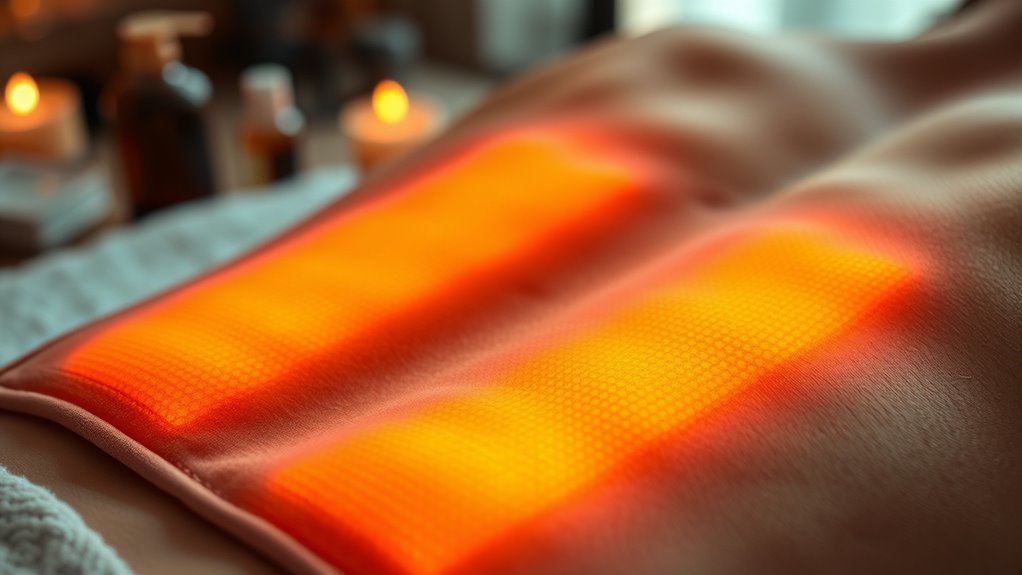
Have you ever wondered how applying heat can help soothe your body? When used correctly, heat therapy can considerably ease muscle tension, reduce pain, and improve circulation during your massage sessions. But before diving into the benefits, it’s essential to understand some safety precautions and clear up common misconceptions. Many people assume that any heat source is safe for everyone or that heat therapy is always suitable for all types of pain. While heat can be incredibly effective, ignoring safety precautions can lead to burns or aggravate certain conditions. For example, you should avoid applying heat directly to swollen or inflamed areas, as it might worsen swelling or cause discomfort. Always check the temperature of your heating pad before placing it on your skin, and never leave it unattended for extended periods. Using a cover or cloth between the pad and your skin can prevent burns and make the experience safer and more comfortable. It’s also wise to set a timer to avoid prolonged exposure, which can cause skin irritation or burns, especially if you have sensitive skin or reduced sensation. Additionally, understanding the specific benefits of heat therapy, such as increased blood flow and muscle relaxation, can help you utilize it more effectively. There are many common misconceptions about heat therapy, and understanding these can help you use it more effectively. Some believe that heat should always be applied immediately after an injury, but this isn’t true. In fact, during the first 48 hours after an injury, cold therapy is typically more appropriate to reduce swelling and numb pain. Heat is better suited for chronic aches or muscle stiffness that develop over time. Another misconception is that heat therapy can cure injuries or eliminate pain instantly—this isn’t accurate. Heat helps by relaxing muscles, improving blood flow, and easing stiffness, but it’s part of a broader treatment plan that might include stretching, massage, or medical intervention. Overheating or misusing heat sources can also lead to misconceptions that heat is always safe or that more heat equals better results. In reality, moderation and proper application are key. Using heating pads during your massage can enhance relaxation, loosen tight muscles, and make the overall experience more soothing. Just keep safety in mind by avoiding excessive heat, not applying it to sensitive or damaged skin, and following recommended guidelines. Understanding common misconceptions helps prevent misuse and ensures you get the most benefit from heat therapy. When used responsibly, heat can be a simple yet powerful tool to complement your massage, helping you feel better and recover faster. Knowing proper usage of heat therapy can significantly improve your comfort and safety. Remember, if you’re ever unsure about using heat therapy, consult with a healthcare professional to tailor its use to your specific needs.
electric heating pad for muscle pain
As an affiliate, we earn on qualifying purchases.
As an affiliate, we earn on qualifying purchases.
Frequently Asked Questions
Are Heating Pads Safe for Use on Sensitive Skin?
Yes, heating pads are safe for use on sensitive skin if you take proper precautions. Always choose a low or medium heat setting and avoid prolonged contact to prevent skin irritation or allergic reactions. Test the pad on a small skin area first, and use a cloth barrier if needed. If you notice redness, itching, or discomfort, remove the pad immediately and consult a healthcare professional.
How Long Should I Apply Heat Therapy During a Session?
You should apply heat therapy for about 15 to 20 minutes per session, following duration guidelines to prevent skin irritation. It’s best to wait at least 30 minutes before reapplying to avoid overuse. For ideal results, limit sessions to 2-3 times daily and monitor how your skin responds. Always listen to your body and adjust session length and frequency accordingly for safe, effective relief.
Can Heat Therapy Help With Chronic Pain?
Yes, heat therapy benefits those with chronic pain by increasing blood flow and relaxing tense muscles. Applying a heating pad can provide effective chronic pain relief, reducing stiffness and discomfort over time. You should use heat therapy regularly, but make sure not to overdo it—limit sessions to 15-20 minutes to prevent skin irritation. Incorporating heat therapy into your routine can make managing chronic pain more manageable and comfortable.
Is There a Risk of Burns When Using Heating Pads?
You’re right to be cautious; there is a small risk of burns when using heating pads. For example, if you leave the pad on too long or set it too high, skin irritation or burns can occur. Always follow safety tips, like using a cover and checking the temperature, to prevent burns. Prioritize electrical safety by inspecting cords regularly and avoiding use when damaged. This keeps your experience safe and comfortable.
Can Heat Therapy Be Combined With Other Treatments?
Yes, you can combine heat therapy with other treatments for enhanced benefits. It works well as an alternative therapy or as part of a massage synergy, helping to relax muscles and improve circulation. Just make certain you consult with a healthcare professional to avoid any contraindications, especially if you’re using other treatments or have underlying health conditions. Properly combining heat therapy can boost your overall treatment effectiveness and comfort.
As an affiliate, we earn on qualifying purchases.
Conclusion
Remember, a warm touch can work wonders for your body, easing pain and relaxing muscles. Just like a gentle fire warms a chilly room, heat therapy deepens your massage’s benefits. Embrace the comforting glow of heating pads, and let them melt away tension. When you combine heat with massage, you’re giving your body the care it needs to heal and rejuvenate. As the saying goes, “A warm heart warms all alike”—and so does a warm pad.
As an affiliate, we earn on qualifying purchases.
As an affiliate, we earn on qualifying purchases.
Cold & flu season Picks
humidifiers
As an affiliate, we earn on qualifying purchases.