TL;DR
Fit&Well published a five-move, equipment-free routine for beginners that works back muscles alongside the glutes, core and shoulders. It recommends two sets per move, starting with controlled repetitions, and advises people with back problems, injuries or other concerns to consult a physical therapist before exercising.
Fit&Well has published a five-move, no-equipment routine for beginners seeking to strengthen their backs, combining simple floor exercises with work for the hips, glutes, core and shoulders. The report recommends two sets of each movement and gradual increases in repetitions, while advising people with back issues, injuries or other concerns to speak with a physical therapist before starting.

Get wellness gear delivered free with Prime
- Fast, free delivery on millions of items
- Prime Video, Amazon Music and more included
- Member-only deals all year
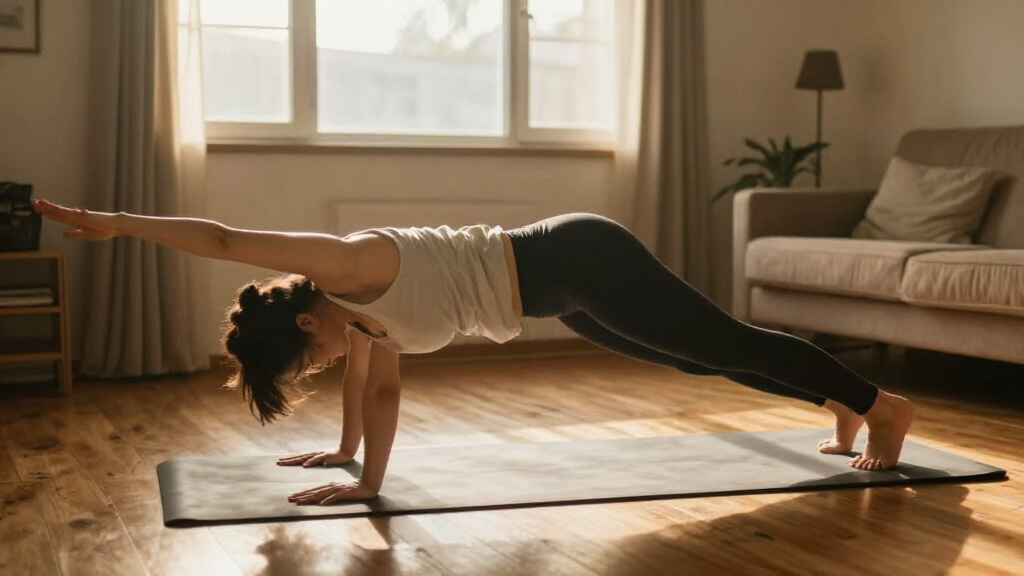
The routine consists of a glute bridge, bird dog, alternating prone leg lift, prone Y-to-W raise and side-to-side back extension. Fit&Well says the sequence targets upper- and lower-back muscles and the supporting muscles involved in lifting, carrying and other everyday movement. The exercises require no weights or other equipment; a mat is used in the instructions, but the report does not specify that one is necessary.
For each exercise, the report suggests two sets. Beginners can start with eight slow repetitions per set, or four on each side for movements performed one side at a time, resting for 60 seconds between sets. It advises building gradually toward 12 repetitions, or six per side, as strength improves. The movements should remain controlled and within a comfortable range of motion.
The instructions emphasize keeping the lower back from arching during the glute bridge and Y-to-W raise, maintaining level hips during the bird dog, and keeping the neck relaxed during the upper-back exercise. For the prone leg lift, the leg rises only a few centimeters. Fit&Well also suggests making the bird dog easier by extending one arm at a time before adding the opposite leg.
A Simple Routine for Home Workouts
The routine offers readers a structured starting point for back-focused exercise at home, without requiring access to gym equipment. Its five moves also involve the hips, glutes, abdomen and shoulder-blade muscles, rather than isolating the back alone. That mix is relevant to people looking for a short bodyweight session, though the report does not claim that the exercises prevent or treat back pain.
Fit&Well notes that back discomfort can have many causes and presents strengthening as one part of looking after the muscles that support the spine, alongside staying active and taking movement breaks. The practical value of the routine is its clear starting volume and progression: readers can begin with a small number of repetitions and increase them only as the exercises become manageable. The guidance is general fitness information, not an individualized assessment or treatment plan.
For readers who are new to exercise, the form cues and easier bird-dog variation provide ways to scale the movements. Still, a floor routine is not suitable for everyone in every circumstance. Existing pain, injuries or uncertainty about safe movement call for professional guidance rather than pushing through discomfort.
Products Worth Considering

Levoit Vital 100S-P Air Purifier with Washable Pre-Filter

Therabody SmartGoggles 2nd Gen Heated Eye and Temple Massager

Therabody Theragun Mini 3rd Generation Portable Massage Gun, Black
As an affiliate, we earn on qualifying purchases.
How the Five Moves Work
The first three exercises focus on controlled movement through the hips and trunk. In the glute bridge, the hips lift while the shoulders and feet remain on the floor; Fit&Well says the glutes do most of the work, with the hamstrings, back and abdominal muscles also helping. The bird dog pairs one forward-reaching arm with the opposite leg, challenging back and abdominal control while the body stays on hands and knees.
The alternating prone leg lift is performed face down, with the forehead resting on the hands and the hips kept on the floor. The report describes it as primarily a hip-strengthening movement with a back-stability element. The final two exercises address the upper back and sides of the trunk: the Y-to-W raise moves the arms from an overhead Y shape to a bent-elbow W, while the side-to-side extension uses a small chest lift and gentle alternating bends.
Fit&Well’s trainer says they favor exercises that clients can do at home between sessions. The report also suggests consulting a personal trainer to check form. It does not provide a study or clinical evidence establishing how much strength or pain change readers should expect from this particular routine.
“This equipment-free, five-move routine works your upper and lower back, alongside the glute and core muscles that keep you steady as you lift, carry and move.”
— Fit&Well report
Limits of the Exercise Guidance
The supplied report does not state when it was published, provide clinical trial results, or quantify how much strength improvement a person might experience. It also does not establish that the routine prevents, diagnoses or treats back pain. The exercises are presented as general fitness guidance, and their suitability can vary by a person’s health, mobility and experience.
Readers are not given individualized advice about how to modify every movement for a condition or injury. The report recommends a physical therapist for people with back issues, injuries or concerns, and a personal trainer can help check technique. Anyone who experiences pain or feels unwell during a movement should stop and seek appropriate guidance.
Progress at a Comfortable Pace
For readers who choose to try the routine, the report’s next step is to start with two sets and a modest number of controlled repetitions, resting for 60 seconds between sets. It recommends increasing repetitions gradually toward 12 per set, or six on each side for one-sided exercises, as strength improves. There is no further milestone or follow-up study identified in the supplied material, so expected results and a timeline for progress remain unspecified.
Before starting, people with back concerns, injuries or questions about the movements should consult a physical therapist. Those who want help checking form can seek guidance from a qualified personal trainer, as the report suggests.
Key Questions
Which five exercises are included?
The routine includes glute bridges, bird dogs, alternating prone leg lifts, prone Y-to-W raises and side-to-side back extensions.
How many repetitions should a beginner do?
Fit&Well recommends two sets of each move, starting with eight controlled repetitions per set or four per side for one-sided exercises. Rest for 60 seconds between sets. The report suggests building gradually toward 12 repetitions, or six per side.
Is equipment required?
The exercises are described as equipment-free. The instructions refer to a mat, but the supplied report does not say that a mat is required.
Can these exercises treat back pain?
The report does not claim that the routine treats or prevents back pain. It notes that back pain can have many causes and advises people with back issues, injuries or concerns to speak with a physical therapist before doing the workout.
How can the bird dog be made easier?
Fit&Well suggests beginning by extending one arm while remaining on hands and knees, then adding the opposite leg when the movement feels more manageable.
Source: fitandwell.com