A proper fit for your recovery boots should feel snug but comfortable, applying even pressure across your calves, ankles, and shins. You shouldn’t feel restricted, numb, or any tingling sensations. The boots should contour around your legs without gaps or pinching, and straps or Velcro should be adjustable for a personalized fit. When everything feels secure yet gentle, you’re maximizing the benefits of compression therapy. Keep going to discover how to guarantee the perfect fit for your needs.
Open a free Amazon Business account
Business pricing, bulk buying and tax-exempt orders.
As an affiliate, we earn on qualifying purchases.
Key Takeaways
- The boots should feel snug but not cause pain, numbness, or tingling.
- Pressure should be evenly distributed without gaps or pinching around your legs.
- The fit should be secure, preventing the boots from shifting during use.
- Adjust straps or Velcro for a comfortable, natural feel without restriction.
- You should feel supported and relaxed, with no discomfort or unusual sensations during therapy.
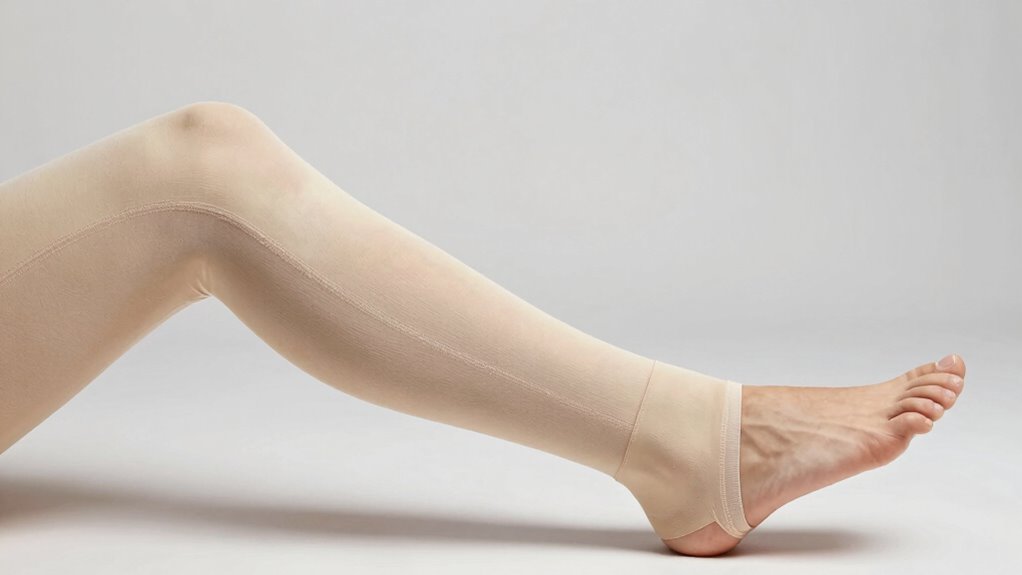
Are you ensuring your recovery boots provide the right compression? Proper fit is essential to maximize the benefits of compression therapy and achieve optimal circulation improvement. When your boots fit correctly, they apply gentle, consistent pressure that promotes blood flow, helping reduce swelling and fatigue in your legs. If the fit is off, you could either miss out on these benefits or experience discomfort and even potential harm.
Ensuring your recovery boots fit correctly maximizes benefits and promotes safe, effective circulation improvement.
A well-fitting recovery boot should feel snug but not painfully tight. You shouldn’t feel restricted or experience numbness, tingling, or pain during use. Instead, the compression should be firm enough to encourage circulation without cutting off blood flow. When you wear the boots, you should notice an even pressure distribution across your calves, ankles, and shins. Uneven pressure can indicate that the boots are too loose in some areas or too tight in others, which can hinder circulation improvement and reduce the effectiveness of your recovery session.
The right fit also means that the boots contour comfortably around your legs without leaving gaps or pinching. If the compression zones don’t align properly with your limbs, the therapy won’t be effective. Adjustable straps or Velcro closures can help you fine-tune the fit, ensuring your legs are snug but comfortable. Remember, the goal is to enhance blood flow, not to cause discomfort or impede circulation. Achieving the correct compression level is crucial for comfort and effectiveness, especially for those new to compression therapy.
A proper fit also involves considering the fit consistency, which ensures that the pressure remains uniform throughout the session. Your recovery boots should also feel stable and secure during use. If they shift or slide down your legs, the pressure won’t be evenly distributed, and you won’t get the full benefits of compression therapy. Check that the boots are snug but not overly tight, especially around the ankles and calves, where improper fit can lead to circulation issues. It’s advisable to start with a lower compression setting and adjust as needed, especially if you’re new to using these devices.
Additionally, understanding the concept of proper fit and how it influences circulation and comfort can help you make better choices when selecting recovery boots.
Finally, don’t forget to consider your own comfort. The right fit feels natural and supportive, allowing you to relax during your recovery session. If you experience any discomfort or unusual sensations, it’s a sign to re-evaluate the fit. Properly fitted compression boots are key to improving circulation, reducing soreness, and speeding up recovery, so take the time to ensure they fit correctly for the best results.
recovery boots with adjustable straps
As an affiliate, we earn on qualifying purchases.
As an affiliate, we earn on qualifying purchases.
Frequently Asked Questions
Can Improper Fit Cause Circulation Issues During Recovery?
Yes, improper fit can cause circulation issues during recovery. If your compression boots are too tight, you might experience compression discomfort, which can lead to circulation restriction. This not only hampers effective recovery but could also cause numbness or tingling. To avoid these problems, make sure the boots fit snugly without excessive tightness, allowing your legs to breathe and blood to flow freely, promoting proper healing and comfort.
How Often Should I Adjust the Compression Fit During Use?
Think of your recovery boots as a dance partner; you want to stay in sync. You should adjust the fit as needed—typically every 15-20 minutes—to maintain comfort considerations and ideal compression. Check for tightness and circulation, easing up if you feel numbness or discomfort. Regular adjustments ensure your recovery remains effective and comfortable, helping your legs stay relaxed and supported throughout the session.
Does Leg Size Affect the Proper Compression Fit?
Yes, leg size affects the proper compression fit. Your leg circumference determines how snug the boots should feel; too tight can restrict blood flow, while too loose reduces effectiveness. Focus on achieving an even compression pressure that feels supportive without causing discomfort. You may need to adjust straps or fit settings based on your leg’s size to guarantee ideal circulation and recovery benefits. Always listen to your body’s response during use.
Are There Signs of Too-Tight Compression That I Should Watch For?
Think of your legs as delicate plants needing gentle support, not a heavy clamp. Signs of too-tight compression include compression soreness, where your skin feels tender or bruised, and fit discomfort that doesn’t ease with time. If your boots cause numbness, tingling, or increased swelling, loosen them immediately. Always listen to your body—if it protests, it’s a sign you might be over-tightening, risking harm rather than aiding recovery.
Can a Poor Fit Reduce the Effectiveness of Recovery Boots?
A poor fit can definitely reduce the effectiveness of your recovery boots. If the fit isn’t right, you won’t get ideal compression comfort, which is key for effective recovery. Make sure to adjust the fit so it’s snug but not too tight, allowing proper circulation. Proper fit adjustments ensure your legs receive even pressure, maximizing benefits and preventing discomfort or circulation issues that compromise recovery.
compression therapy recovery boots
As an affiliate, we earn on qualifying purchases.
As an affiliate, we earn on qualifying purchases.
Conclusion
When your recovery boots fit properly, you should feel snug yet comfortable, supported yet free to move. You should notice consistent pressure without pain or numbness, with each compartment gently hugging your legs. The fit should promote circulation, comfort, and recovery, not restrict or cause discomfort. Remember, a proper fit enhances your recovery, supports your goals, and keeps you moving forward. Prioritize comfort, support, and circulation—because your recovery deserves the best fit possible.
leg compression boots for circulation
As an affiliate, we earn on qualifying purchases.
As an affiliate, we earn on qualifying purchases.
As an affiliate, we earn on qualifying purchases.
Fall Picks
fall essentials
As an affiliate, we earn on qualifying purchases.