In zero-G, you feel supported not by gravity but through contact with surfaces like your seat, straps, or handrails. These surfaces create reaction forces that your sensory system interprets as support, helping you maintain stability from your neck to your calves. Your muscles respond to changes in contact points, adjusting pressure distribution for comfort. If you want to understand how these support mechanisms work and improve your experience, keep exploring how your body adapts in space.

Get wellness gear delivered free with Prime
- Fast, free delivery on millions of items
- Prime Video, Amazon Music and more included
- Member-only deals all year
Key Takeaways
- In zero-G, support is primarily perceived through contact and reaction forces at contact points like the neck, shoulders, back, pelvis, and calves.
- Sensory feedback from skin and muscles interprets contact forces, enabling astronauts to perceive support despite the absence of gravity.
- Pressure distribution across contact points adjusts dynamically to maintain stability and balance during movement.
- Support perception relies on tactile and proprioceptive input rather than weight, which is negligible in space.
- Space habitat design optimizes contact surfaces and support points to enhance comfort and stability in microgravity environments.
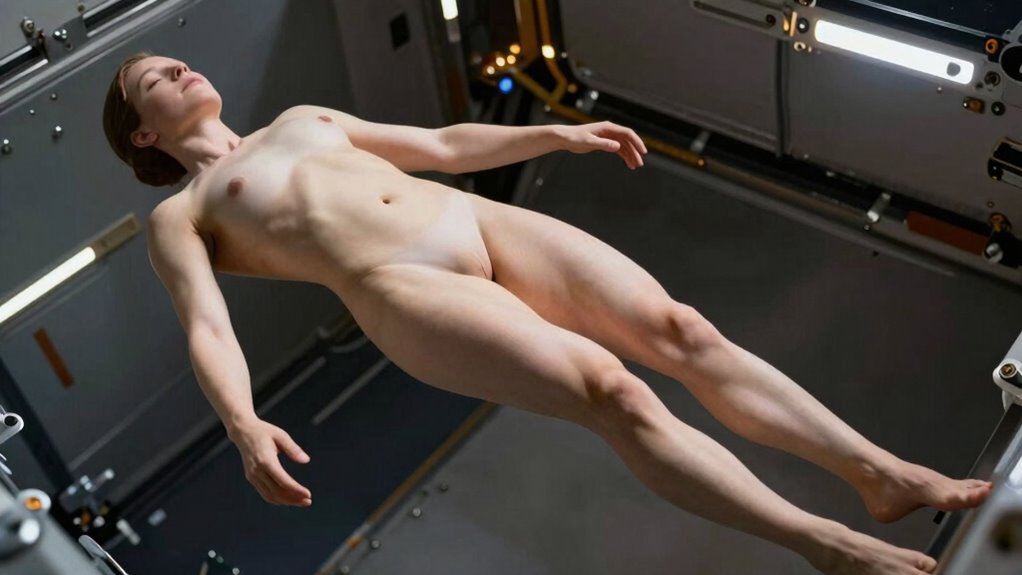
When you’re floating in zero gravity, understanding how your body feels supported from your neck down to your calves involves more than just comfort—it’s rooted in the fundamental physics of weightlessness. In space, gravitational forces are effectively negligible, which means your body no longer experiences the constant pull of gravity that keeps you grounded on Earth. Instead, your body weight distribution shifts dramatically, and the sensation of support depends on how your body interacts with its surroundings. Without gravity pulling you downward, your muscles and skeletal system aren’t working against gravity in the usual way, which alters your perception of support.
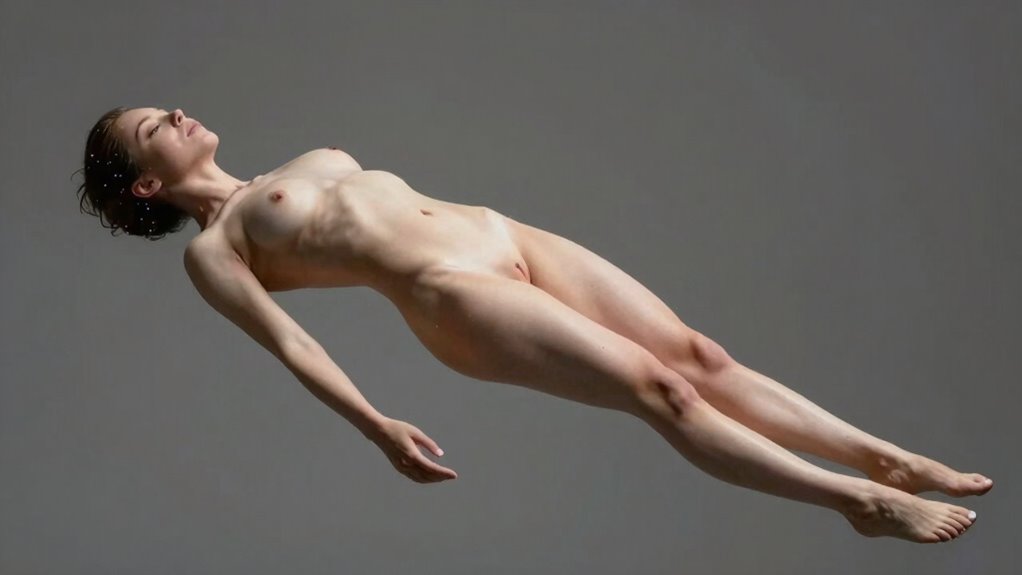
In zero-G, your body is in a state of free fall, creating the illusion of weightlessness. Because gravitational forces are minimal, you don’t feel the usual pressure on your bones and joints. Instead, support comes from the contact with your environment—be it your seat, handrails, or other surfaces. These surfaces provide reaction forces that counteract your movements and hold you in place. When you press against an object, Newton’s third law kicks in: for every action, there’s an equal and opposite reaction. This is how support is felt in zero-G, even though your body isn’t technically bearing weight in the traditional sense.
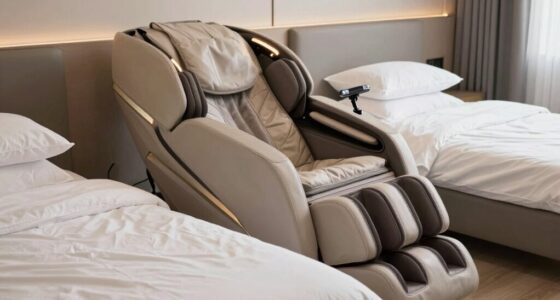
Your body weight distribution is no longer a simple matter of gravity pulling downward; instead, it’s about how your body contacts and pushes against surfaces. For example, when you sit in a zero-G chair, your pelvis and back press gently against the seat, creating contact points that generate support through reaction forces. These forces are what your sensory system interprets as support, but they’re fundamentally different from the support you’d feel standing on Earth. The way your muscles engage in response to contact points helps your brain interpret your position and stability in the absence of gravity. Understanding how your body perceives support in this environment involves sensory integration, which combines input from multiple sensory systems to create a coherent sense of spatial orientation and balance. Furthermore, the pressure distribution across contact points plays a crucial role in how support is perceived and maintained during movements in zero-G. Additionally, the body’s contact points constantly adjust as you move, which helps maintain a sense of equilibrium and control. Recognizing how support mechanisms adapt in zero-G can aid in designing better space habitats and suits to optimize comfort and safety.
As an affiliate, we earn on qualifying purchases.
Frequently Asked Questions
How Does Zero-Gravity Affect Blood Circulation in the Body?
In zero-G, blood circulation changes due to fluid redistribution, causing blood to shift towards your head. This impacts your cardiovascular system, prompting adaptation as your heart works differently to pump blood effectively. You might feel lightheaded or experience facial swelling because your body adjusts to the altered gravity. Over time, your body develops cardiovascular adaptations to maintain circulation, but initially, these changes can make blood flow feel unusual or less efficient.
Can Zero-G Support Prevent Long-Term Musculoskeletal Issues?
Zero-G support systems can help prevent long-term musculoskeletal issues by providing gravity simulation, which maintains muscle strength and bone density. When you’re in zero-G, lack of gravity causes muscle atrophy and bone loss, but support suits and harnesses mimic gravity effects, reducing these risks. While they don’t replace natural gravity completely, they substantially help in preserving your musculoskeletal health during extended space missions.
What Materials Are Used in Zero-G Supportive Bedding?
Imagine drifting in weightlessness, yet craving comfort. Zero-G supportive bedding uses memory foam and gel-infused materials, blending softness with cooling relief. These materials contour to your body, offering gentle support where you need it most, mimicking the sensation of being cradled. You feel embraced, not just supported. This thoughtful combination helps guarantee restful sleep in space, reducing strain and making the weightless experience more soothing and less isolating.
How Do Astronauts Adapt to Feeling Supported in Zero-G?
You adapt to feeling supported in zero-g by relying on gravity simulation and support mechanisms designed for comfort. You get used to the sensation of floating and find stability through specialized equipment like harnesses and foam padding. These support mechanisms help simulate a sense of gravity, making you feel more grounded. Over time, your body adjusts, and you become more comfortable, recognizing these devices as your new way of feeling supported in the weightless environment.
Are There Any Health Risks Associated With Zero-G Support Systems?
While zero-g support systems are designed to help you adapt comfortably, they do carry some gentle risks linked to zero g pressure. Prolonged use may lead to support adaptation challenges, like muscle atrophy or fluid redistribution. However, with careful monitoring and tailored routines, these potential health risks remain manageable. You’re encouraged to stay attentive, ensuring your body adjusts smoothly and stays healthy during your zero-g experiences.
As an affiliate, we earn on qualifying purchases.
Conclusion
As you drift through zero-g, feeling supported is like having a gentle, invisible hand cradle you from neck to calves. The physics behind it transforms the void into a cozy cocoon, turning weightlessness into a soothing dance. With each movement, you’re carried by unseen forces, wrapping you in a comforting embrace that makes floating feel like a hug from the universe itself. So, embrace the weightless waltz — support isn’t just felt, it’s woven into every moment you glide.
As an affiliate, we earn on qualifying purchases.
As an affiliate, we earn on qualifying purchases.
Fall Picks
fall essentials
As an affiliate, we earn on qualifying purchases.