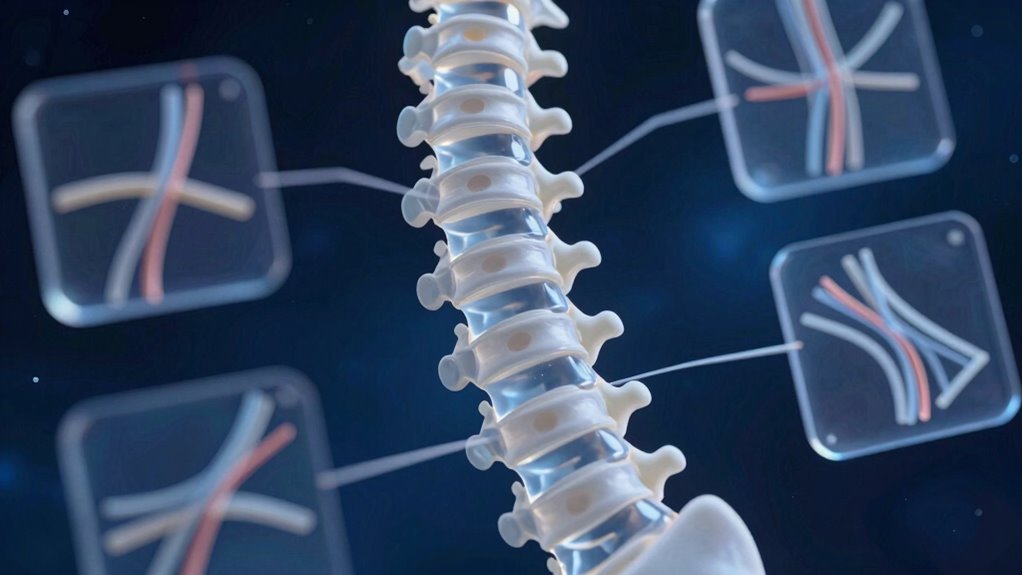

Yes, zero-G environments considerably reduce pressure on your spinal discs by removing the Earth’s gravity that compresses your spine during daily activities. Without gravity, your discs decompress and expand, easing strain and potentially aiding recovery. This shift in biomechanics lessens disc stress and alleviates back pain. If you’re curious about how this process works and what space studies reveal, explore further to understand the fascinating effects of zero-G on your spine.

Get wellness gear delivered free with Prime
- Fast, free delivery on millions of items
- Prime Video, Amazon Music and more included
- Member-only deals all year
Key Takeaways
- Zero-G environments significantly decrease gravitational compression on the spine, leading to reduced disc pressure.
- Microgravity causes intervertebral discs to decompress and expand, lowering the load they experience.
- Reduced spinal compression in Zero-G promotes disc hydration and potential regeneration.
- Diminished mechanical load lessens stress on discs, alleviating back pain and supporting spinal health.
- Space studies confirm that in Zero-G, spinal discs experience less pressure compared to Earth’s gravity conditions.
As an affiliate, we earn on qualifying purchases.
Does Zero-G Reduce Spinal Disc Pressure?
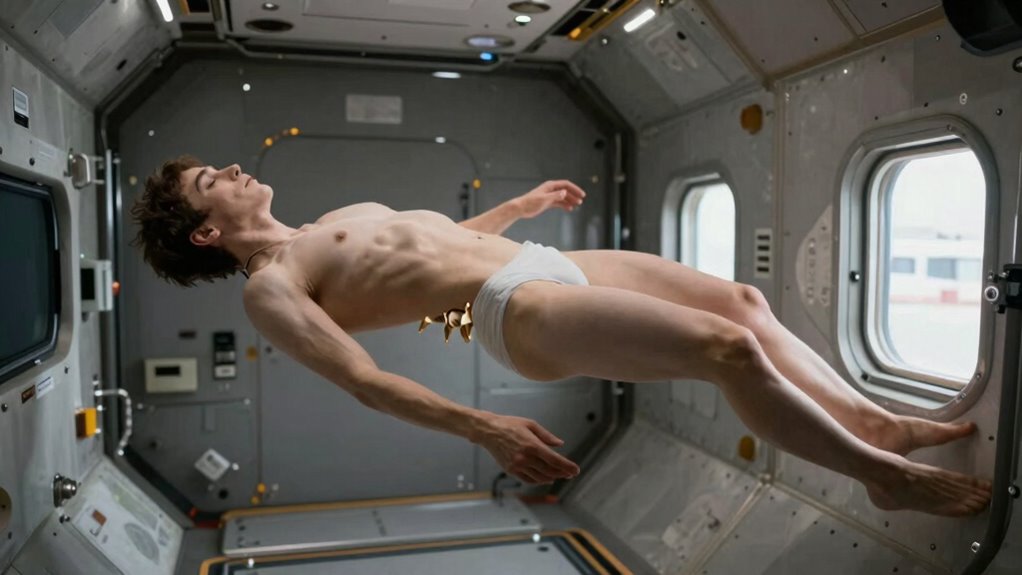
When you’re in a zero-gravity environment, the absence of Earth’s gravity means that your spinal discs experience less compressive force. This reduction in pressure can lead to decreased muscle activation around your spine, as muscles don’t need to work as hard to support your body. Over time, this lowered activity may contribute to a decline in bone density, since mechanical load is essential for maintaining strong bones. Without regular gravitational stress, your body doesn’t stimulate the same biological responses that promote muscle strength and bone health. Consequently, your spine becomes less supported, increasing the risk of weakening structures. While zero-G alleviates disc pressure temporarily, it also impacts muscle activation and bone density, which are vital for long-term spinal integrity. Understanding mechanical load is key to appreciating how gravity influences muscle and bone health. Additionally, studies show that mechanical stress from gravity is crucial for stimulating bone remodeling and maintaining structural strength. Without this gravitational stimulus, the balance of bone formation and resorption can be disrupted, leading to weakening over time.
As an affiliate, we earn on qualifying purchases.
What Is Zero-G and How Does It Affect Spinal Mechanics?
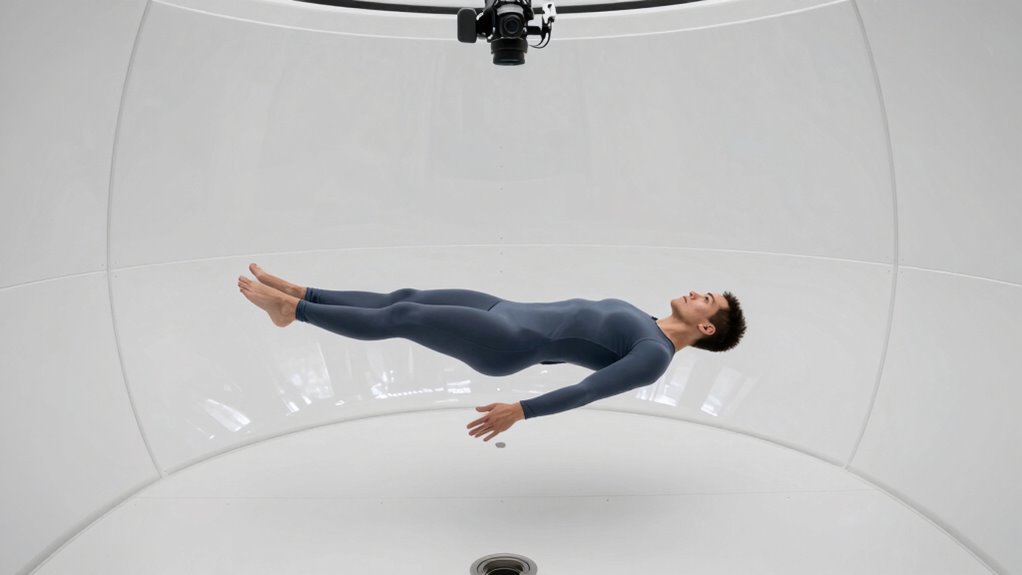
Zero-G, or weightlessness, occurs when there’s little to no gravitational pull acting on your body, such as in space or specialized simulators like parabolic flights. In this environment, your muscles experience reduced tension, leading to decreased muscle engagement. Blood flow also changes, often increasing as your body adapts to the lack of gravity. This shift affects spinal mechanics by altering how your spine supports your body’s weight. Without gravity pulling downward, the discs and surrounding tissues adjust to a different load distribution. You may notice your spine elongates slightly, relieving pressure on discs. Additionally, the reduction in muscle tension can influence body posture and overall spinal stability during weightless conditions. Understanding zero-G’s impact helps clarify how your body responds to weightlessness, especially regarding muscle tension and blood flow changes that influence spinal health and biomechanics. Moreover, this environment can temporarily change muscle tension levels, which may have implications for physical therapy and rehabilitation practices. Additionally, research into energy-efficient cloud servers highlights innovative approaches to supporting sustainable technology infrastructure. Furthermore, studying these effects provides insights into potential strategies for rehabilitative treatment, which could benefit those with spinal issues or mobility impairments. Recognizing these biomechanical adjustments in zero-G environments may also inspire new techniques for spinal health management on Earth.
As an affiliate, we earn on qualifying purchases.
How Gravity and Zero-G Differ in Impacting Spinal Discs
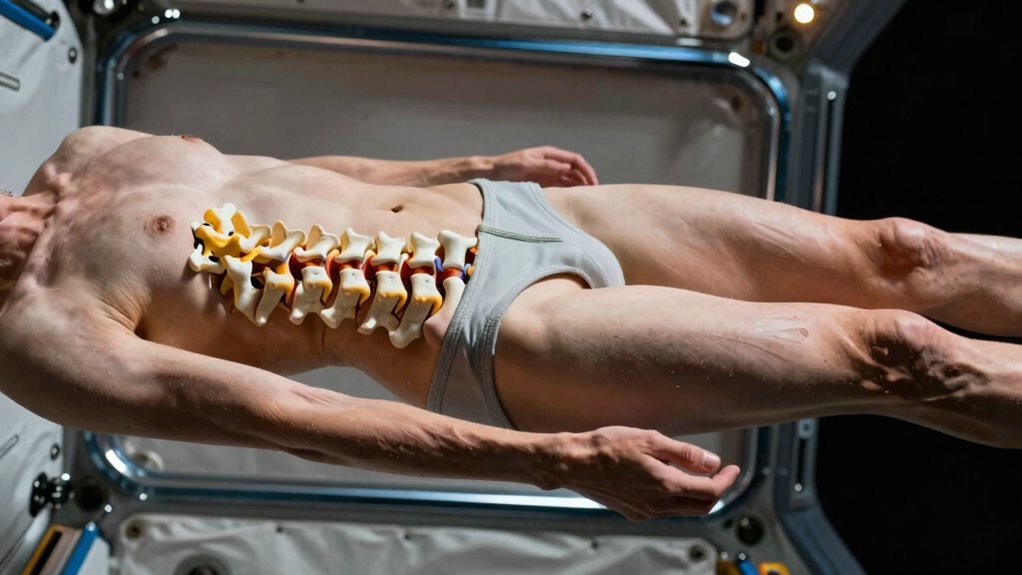
Gravity applies constant compression on your spinal discs, pressing them downward and helping maintain their shape and function. This force influences muscle tension, as your muscles work to support your spine against gravity. In zero-G, this compression diminishes, reducing pressure on discs and altering their load distribution. This change affects cardiovascular effects, as reduced muscle tension can decrease blood flow and nutrient delivery to disc tissues. Additionally, spinal load plays a crucial role in maintaining overall spinal health, and its reduction in zero-G can lead to changes in spinal posture and stability. The table below highlights these differences:
| Aspect | Gravity | Zero-G | |
|---|---|---|---|
| Muscle Tension | Increased, supports posture | Decreased, relaxes muscles | |
| Disc Pressure | Constant compression | Substantially reduced | |
| Cardiovascular Effects | Elevated effort to maintain posture | Lowered strain, blood flow adjusts | |
| Spinal Load | Maintains alignment, stabilizes | Less load, potential decompression | Spinal health |
As an affiliate, we earn on qualifying purchases.
How Space Environment Changes Pressure on Your Spinal Discs
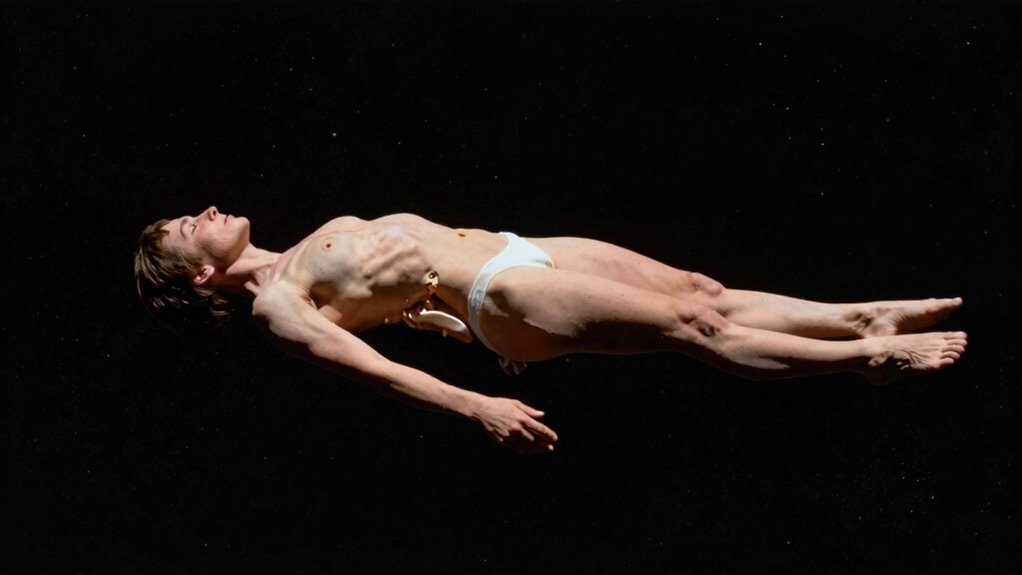
In the space environment, the absence of Earth’s gravity markedly alters the pressure exerted on your spinal discs. Without gravity pulling downward, your discs experience less compression, which can lead to changes in their structure. This phenomenon highlights the importance of understanding microgravity effects on the human body. This diminished pressure can cause muscle atrophy, weakening the muscles supporting your spine, and may also affect bone density, making bones weaker over time. You might notice your spine elongating slightly due to decreased compression. Additionally, the lack of pressure can impact the distribution of nutrients and waste, influencing disc health. Recognizing these changes helps explain why astronauts often experience back pain or discomfort when returning to Earth’s gravity. Staying active and maintaining proper nutrition are essential to counteract these space-induced effects on your spine. Understanding how space environment influences spinal health emphasizes the importance of targeted exercises and nutrition to mitigate these effects. Moreover, ongoing research into space medicine aims to develop strategies to protect astronaut health during long-duration missions. Maintaining adequate muscle strength and bone density is crucial for recovery after spaceflight, highlighting the importance of preventative health measures. Additionally, implementing preventative health measures can help reduce long-term adverse effects on astronauts’ musculoskeletal systems.
What Astronauts Experience in Their Spinal Discs During Space Missions
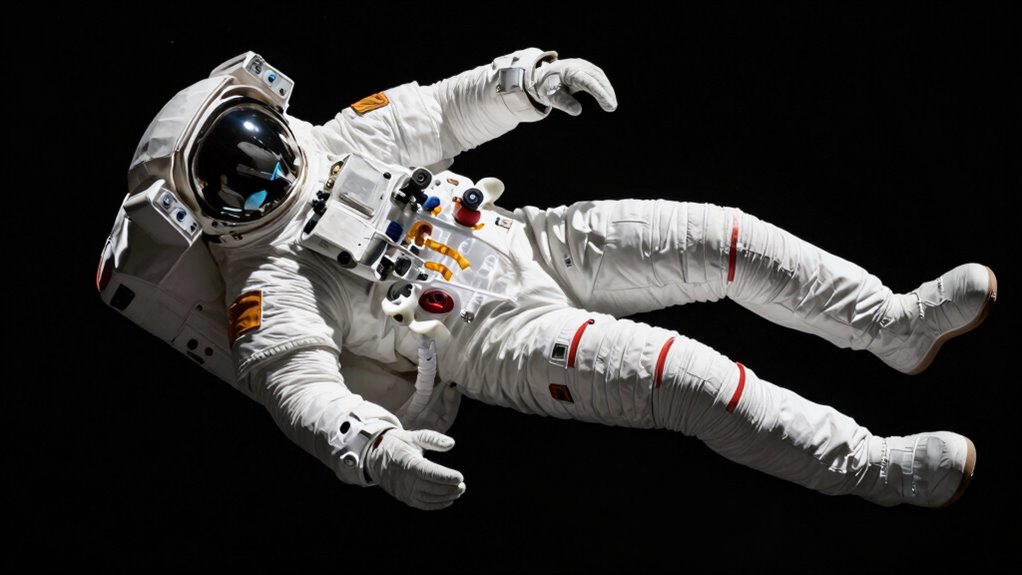
During space missions, astronauts often notice their spines elongate and feel different from how they do on Earth because the absence of gravity reduces the compression on their discs. This reduced pressure can cause their discs to expand slightly, affecting overall posture. However, the lack of load also leads to muscle atrophy, especially in the core and back muscles that normally support the spine. Without regular stress, bone density decreases as well, weakening the bones that anchor the discs. These changes can increase the risk of back pain and injury upon return to Earth. While zero-G reduces pressure on discs temporarily, it also accelerates muscle loss and bone weakening, which can compromise spinal stability over time. Understanding these effects is crucial for developing strategies to protect astronauts’ health during and after space missions. Additionally, implementing countermeasures such as resistance exercises can help mitigate some of these adverse effects on muscles and bones. Moreover, research into biomechanical adaptations helps scientists better understand how the body responds to microgravity environments. Recognizing the long-term health impacts of microgravity exposure is essential for planning future deep-space explorations and ensuring astronaut safety. Furthermore, microgravity research continues to provide insights into osteoporosis and muscle degeneration, benefiting Earth-based medicine and rehabilitation.
Can Zero-G Therapy Help Relieve Back Pain and Disc Issues?
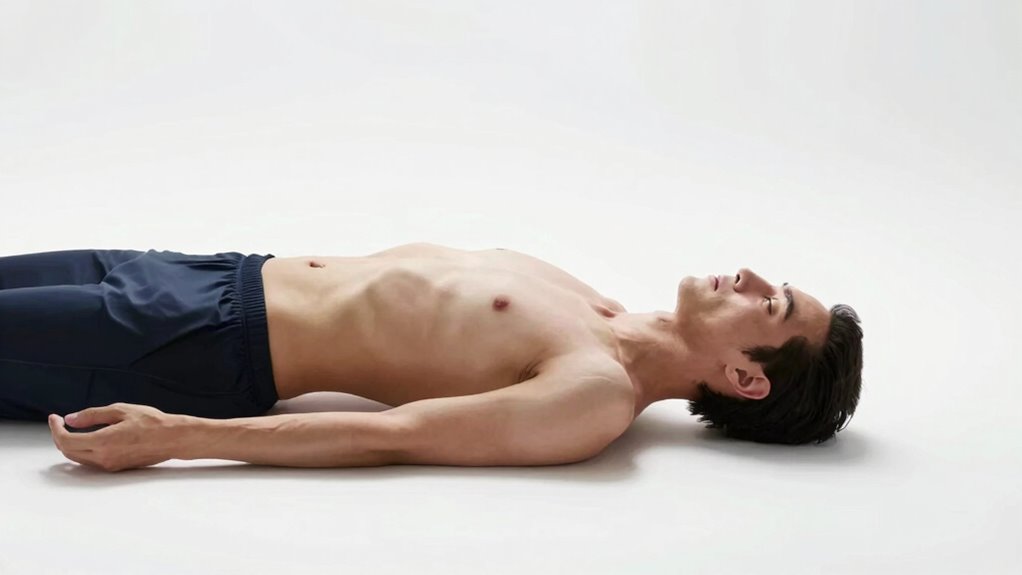
Zero-G therapy offers a promising approach for relieving back pain and addressing disc issues caused by prolonged microgravity exposure. By simulating a weightless environment, it reduces spinal compression, allowing muscles to relax and promoting spinal stability. This relaxation can decrease pressure on discs, easing pain and supporting recovery. Zero-G therapy can help restore proper alignment and strengthen supporting muscles, reducing the risk of future disc problems. You might experience less stiffness, improved mobility, and relief from chronic discomfort. The gentle, controlled environment encourages your muscles to relax naturally while stabilizing your spine. This combination can make a significant difference in managing disc-related back issues. Additionally, understanding the mechanics of spinal decompression involved in Zero-G therapy can help you appreciate how it targets specific pressure points. The reduction in gravitational forces also facilitates spinal disc regeneration, supporting long-term recovery and health. Overall, Zero-G therapy offers a targeted, effective way to combat the effects of microgravity on your spine and back health.
What Are the Limitations of Zero-G for Spinal Disc Relief?
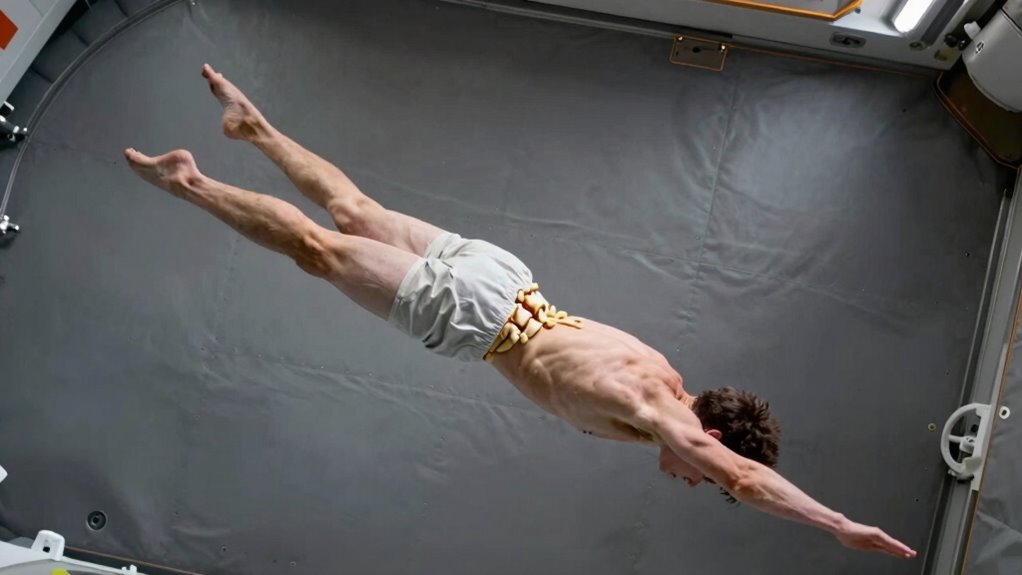
While Zero-G can reduce gravity’s pressure on your spine, it only offers limited distraction and doesn’t fully replicate natural movement. It’s not a permanent fix, and relief may be be temporary or inconsistent. Your individual response to Zero-G varies, so it might not meet everyone’s needs equally. Additionally, understanding the limitations of Zero-G can help set realistic expectations for spinal disc relief, especially since physical therapy may be necessary for comprehensive recovery.
Limited Distraction From Gravity
Although zero-gravity environments reduce spinal compression, they don’t provide complete relief from disc pressure. Gravity simulation in space minimizes the load, but it doesn’t eliminate all forces acting on your discs. This means distraction reduction isn’t absolute, and some pressure remains. You might expect zero-G to fully decompress your spine, but limitations exist due to body positioning and residual forces. The effects can vary depending on individual posture and activity level. Plus, the environment doesn’t replicate the constant, subtle pull of gravity on Earth, which continues to influence disc pressure. As a result, zero-G offers partial relief but isn’t a cure-all for disc issues. Understanding these limitations helps set realistic expectations about how much spinal tension can be alleviated in a zero-G setting.
- Gravity simulation reduces but doesn’t eliminate all forces on discs
- Distraction reduction varies based on body position and activity
- Residual forces mean complete relief isn’t achievable
Not a Long-Term Solution
Despite providing some relief from spinal disc pressure, zero-G environments are not a sustainable long-term solution. While floating in zero-G may temporarily reduce pressure, it doesn’t address underlying issues causing disc problems. Prolonged bed rest, for example, can weaken muscles that support your spine, potentially worsening pain or instability over time. Additionally, if disc damage persists, you might consider spinal fusion surgery, which permanently stabilizes the spine but sacrifices flexibility. Relying solely on zero-G for relief ignores these long-term treatments and recovery processes. It’s not a substitute for all-encompassing care, and prolonged exposure to zero-G isn’t feasible or safe. Instead, it’s a temporary measure that doesn’t resolve the root causes of disc issues or provide lasting relief.
Variable Individual Outcomes
Individual responses to zero-G environments vary widely, highlighting the limitations of relying solely on this approach for spinal disc relief. While some people experience significant hydrotherapy benefits, others see minimal change. Factors like pre-existing conditions, age, and posture correction efforts influence outcomes. Zero-G can temporarily reduce disc pressure, but it doesn’t address underlying issues or guarantee long-term relief. You might find that combining zero-G with other therapies, such as targeted exercises or posture correction, enhances benefits. However, it’s important to recognize that not everyone will respond the same way, and results can be unpredictable. This variability means zero-G should be viewed as a complementary tool rather than a standalone solution for disc health. Always consult a healthcare professional for personalized treatment options.
What Does Science Say About Disc Decompression in Space?

Scientific research indicates that microgravity in space causes intervertebral discs to decompress and expand, leading to a temporary increase in height. This highlights how gravity effects influence spinal adaptation, allowing discs to relax without the usual compression from Earth’s gravity. Studies involving astronauts show that in zero-G environments, discs experience reduced pressure, which can result in increased spinal length. This natural decompression suggests that, in space, your spine undergoes changes similar to those targeted by certain back treatments on Earth. However, these effects are temporary; once back on Earth, gravity quickly restores normal disc pressure and spinal alignment. Overall, science confirms that microgravity facilitates disc decompression, demonstrating the significant role gravity effects play in spinal structure and health during space missions.
Implications of Zero-G for Future Back Pain Treatments
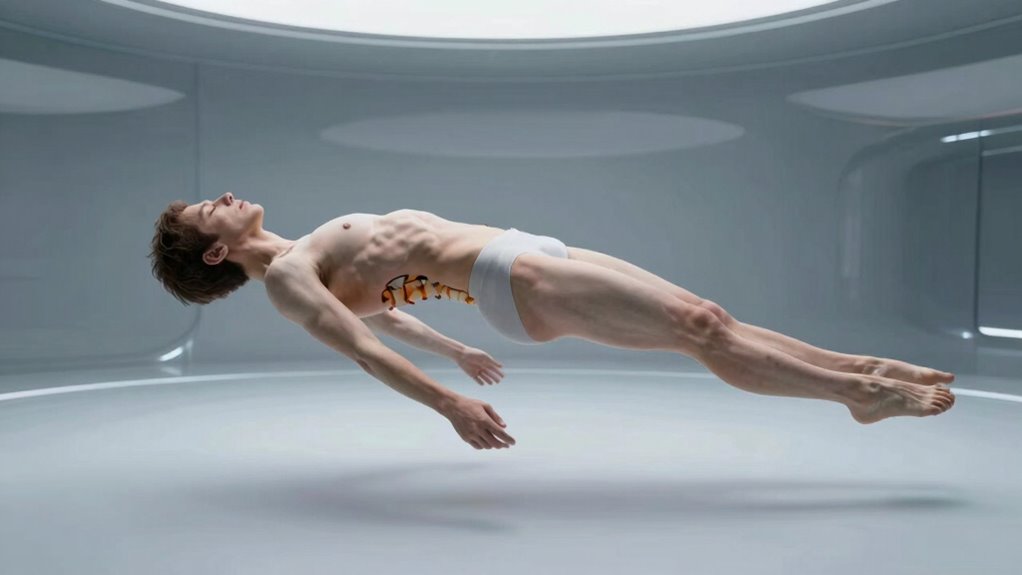
The understanding that microgravity causes discs to decompress and expand opens new possibilities for treating back pain on Earth. You could see therapies that simulate zero-G conditions to reduce disc pressure safely. However, you should also be aware of challenges like muscle atrophy and decreased bone density, which happen in space and could impact recovery. To address these issues, future treatments might combine decompression techniques with targeted exercises to maintain muscle strength and bone health. This approach could help prevent secondary problems caused by inactivity during therapy. Overall, leveraging zero-G principles offers promising avenues, but you’ll need balanced strategies to counteract the risks associated with prolonged microgravity exposure.
- Simulated zero-G environments for safe decompression
- Combining therapy with muscle and bone strengthening
- Preventing atrophy and bone loss during treatment
Key Takeaways: Does Zero-G Really Reduce Disc Pressure?
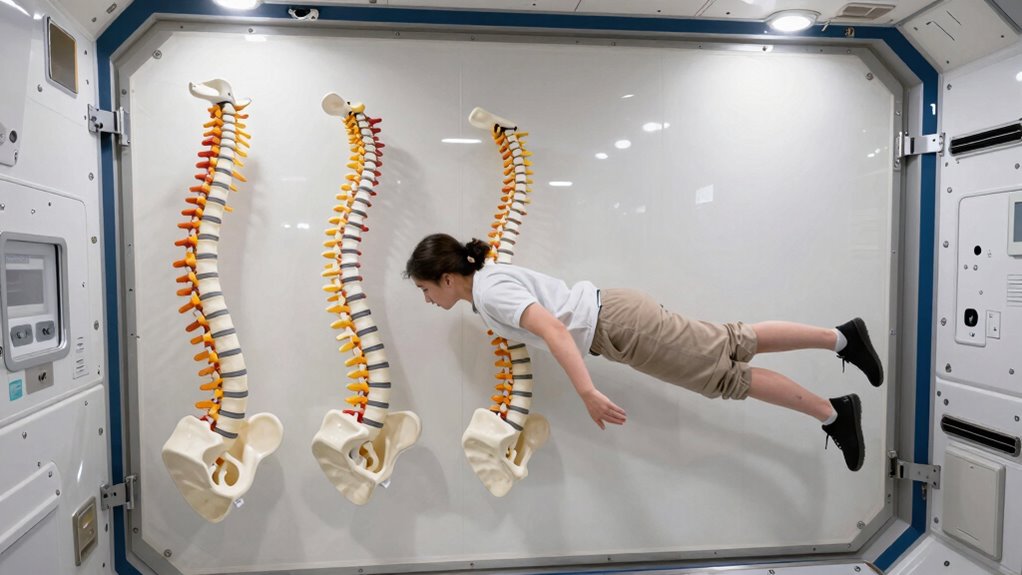
Many studies show that zero-G conditions can markedly reduce disc pressure, but the extent of this effect varies. Understanding spinal biomechanics helps clarify how zero-G influences disc health. Reduced gravitational load allows the discs to decompress, which can improve disc hydration and overall flexibility. When your body is in zero-G, the decreased compression lessens the stress on spinal structures, potentially easing pain and promoting healing. This environment supports better nutrient exchange within discs by allowing fluids to move more freely, enhancing hydration levels. While zero-G doesn’t eliminate disc pressure entirely, it offers significant relief compared to Earth’s gravity. Overall, zero-G appears to positively impact spinal biomechanics, making it a promising avenue for reducing disc stress and supporting back health.
Frequently Asked Questions
Can Zero-G Therapy Be Used for Chronic Back Pain Treatment?
Yes, zero-G therapy can help treat chronic back pain by using gravity simulation to reduce pressure on your discs. You benefit from the weightless environment, which eases strain and alleviates discomfort. This therapy allows your spine to decompress naturally, promoting healing and improving mobility. If you suffer from persistent back pain, zero-G sessions might be an effective option to contemplate, offering relief through controlled gravity reduction.
How Quickly Do Spinal Discs Respond to Reduced Gravity?
Spinal discs respond quickly to reduced gravity, often within minutes, because gravity effects influence disc hydration and pressure. When you experience less gravity, your discs can rehydrate more effectively, decreasing compression and alleviating discomfort. This rapid response helps improve mobility and reduce pain, making zero-G environments beneficial for spinal health. The quicker your discs hydrate and decompress, the sooner you may notice relief from back pain symptoms.
Are There Risks Associated With Zero-G Spinal Decompression?
You might wonder if zero-G spinal decompression poses risks, and while it generally offers relief, risks are possible without proper safety protocols. Conducting a thorough risks assessment is essential to identify potential issues like nerve irritation or excessive decompression. Adhering to strict safety protocols minimizes these dangers, ensuring your therapy remains safe. Always consult qualified professionals who prioritize your safety, balancing the benefits against any potential risks.
Does Zero-G Benefit All Types of Spinal Disc Problems?
Zero-G therapy benefits many spinal disc types, especially those affected by gravity effects that worsen pressure. If you have herniated, bulging, or degenerated discs, you may find relief because the reduced gravity environment decreases pressure on your discs. However, not all disc problems respond equally. You should consult your healthcare provider to determine if Zero-G therapy suits your specific spinal condition.
How Does Zero-G Compare to Traditional Spinal Decompression Methods?
You’ll find that Zero-G compares favorably to traditional decompression techniques, offering a gentle gravity simulation that reduces spinal pressure without invasive procedures. Unlike conventional methods, Zero-G uses advanced technology to mimic weightlessness, allowing for precise adjustments and personalized treatment. It’s a game-changer because it targets disc pressure more comfortably and effectively, making it a promising option if you’re seeking non-surgical relief that’s easier on your body.
Conclusion
So, it turns out that zero-G seems to naturally reduce pressure on your spinal discs, much like how astronauts experience relief in space. Coincidentally, this makes you wonder if future treatments could mimic this environment for back pain. While zero-G isn’t a cure-all, understanding its effects reveals promising possibilities. Maybe someday, we’ll harness space’s unique mechanics to help your own back feel lighter and healthier—no rocket needed.
Halloween Picks
halloween
As an affiliate, we earn on qualifying purchases.