
Zero gravity, or microgravity, reduces the pressure on your spine caused by Earth’s gravity. It allows your vertebral discs to decompress, rehydrate, and elongate, easing tension and relieving back pain. This environment also helps improve posture and spinal alignment. Space discoveries show how zero gravity benefits spinal health, and devices mimicking these effects are available for relief. Keep exploring to learn how zero gravity techniques can help protect your spine long-term.
Key Takeaways
- Zero gravity reduces spinal compression, allowing discs to rehydrate and decompress, alleviating back pain.
- It temporarily relieves pressure on vertebral structures, promoting better postural alignment and spinal health.
- Microgravity environments cause the spine to elongate, sometimes up to 2 inches, highlighting the importance of decompression techniques.
- Zero gravity simulations and devices mimic space conditions, supporting spinal recovery and reducing stress on discs and ligaments.
- Regular exposure to zero gravity-like conditions can counteract long-term gravity-related spinal deterioration and improve overall back health.
What Is Zero Gravity and How Does It Affect Your Spine?
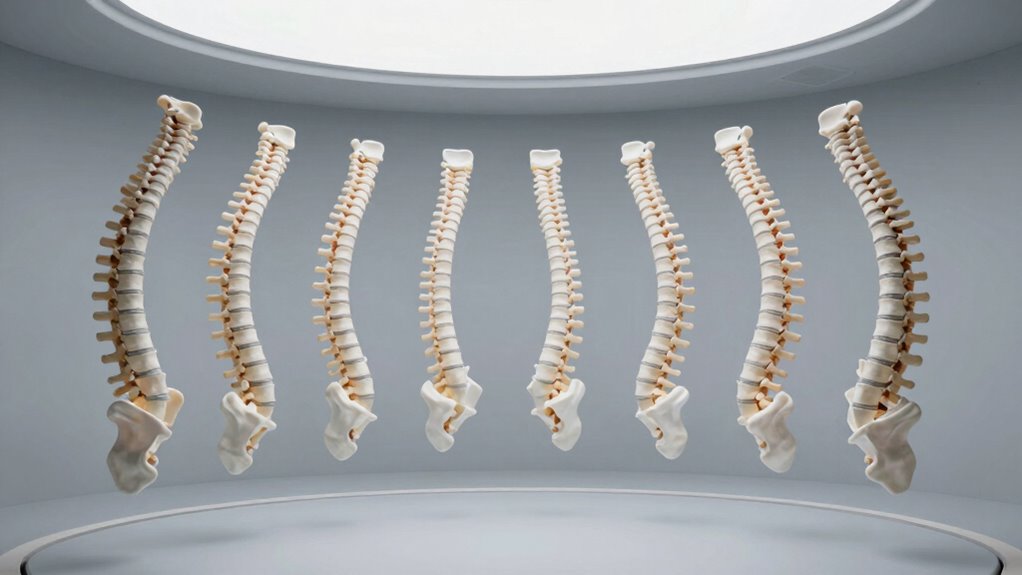
Zero gravity, or microgravity, is a condition where the usual gravitational pull we experience on Earth is considerably reduced. In this environment, gravity’s impact on your body changes dramatically, especially on your spine. Without the constant pull, your spinal flexibility increases because the vertebrae aren’t compressed by gravity as they are on Earth. This reduction in compressive force allows your spine to elongate slightly, giving you a sensation of being more flexible and less constrained. In zero gravity, your spine isn’t subjected to the usual stresses, which can temporarily relieve pressure on the discs and ligaments. This altered state highlights how gravity influences your spine’s structure, and why astronauts often experience changes in their spinal health while in space. Understanding load‑planning tools can help in assessing how different environments affect spinal health and overall safety. Additionally, this understanding underscores the importance of ergonomic design in space and on Earth to support spinal well-being. Recognizing how body mechanics change in microgravity can help develop better strategies for maintaining spinal health during long-term space missions. Moreover, ongoing research into biomechanical adaptations is essential for improving astronaut health and designing effective countermeasures. These insights can also inform home wellness practices for those seeking to optimize spinal health in everyday life.
How Gravity Causes Spinal Disc Compression and Stress
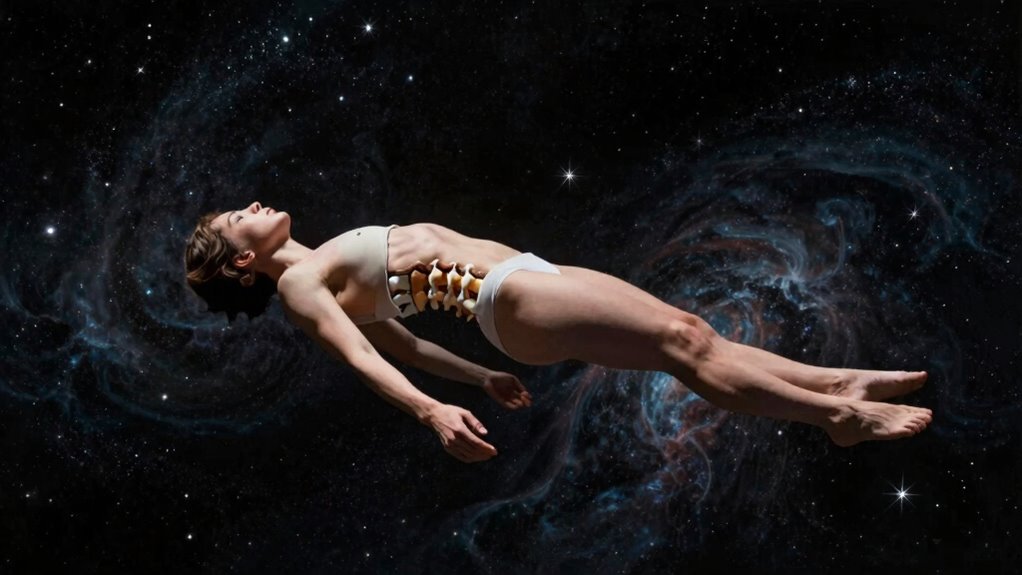
Every day, gravity presses down on your spine, gradually compressing the discs between your vertebrae. This constant force causes stress to build up in your spinal structures over time. Understanding how gravity impacts your discs can help you take steps to protect your spine from long-term damage. Incorporating posture correction and regular movement can help alleviate some of this stress and support spinal health. Additionally, awareness of how astrological signs may influence personal traits, including physical characteristics, can provide a holistic approach to understanding your body’s needs. Recognizing the role of spinal biomechanics in how gravity affects your body can further inform strategies to maintain spinal integrity. Proper alignment techniques are essential to reduce uneven pressure and prevent disc degeneration. Regularly practicing movement variation can also help distribute forces more evenly across the spinal discs, reducing long-term wear.
Gravity’s Effect on Discs
Have you ever wondered how gravity continuously influences your spine throughout the day? It causes your discs to compress gradually, which can reduce spinal flexibility over time. This constant pressure pushes water out of the discs, leading to decreased disc hydration. When discs lose hydration, they become less elastic and more prone to injury or strain. The compression from gravity also increases stress on the vertebrae and surrounding tissues, potentially causing discomfort. As you move and change positions, some of this compression is relieved, allowing your discs to rehydrate and recover their flexibility. However, prolonged or repetitive compression can wear down your discs, emphasizing the importance of balancing activity with rest to maintain healthy spinal function. Additionally, proper posture can help mitigate some of the negative effects of gravity on your spine. Understanding spinal biomechanics can further aid in adopting habits that protect your spine from gravity-related stress. Incorporating ergonomic practices into your daily routine can also significantly reduce undue strain on your discs and vertebrae. Engaging in regular spinal exercises is crucial for maintaining strength and flexibility, which can help counteract the effects of gravity and support long-term spinal integrity. Being mindful of spinal health and engaging in regular movement can help counteract the effects of gravity and support long-term spinal integrity.
Spinal Stress Accumulation
As gravity continuously pushes down on your spine, it causes your discs to compress further, leading to the buildup of stress in the spinal structures. This spinal stress results from constant pressure that gradually accumulates, especially if you stay in one position for too long. The gravity effects on your spine can cause discs to become compressed, reducing height and putting extra strain on surrounding ligaments and muscles. Over time, this stress can lead to discomfort, inflammation, or even disc degeneration. To manage this, it’s important to understand how gravity influences your spine’s health. Proper posture can help mitigate some of these effects by reducing uneven stress distribution on your spinal discs. Additionally, incorporating digital literacy in daily routines, such as using ergonomic tools and taking regular breaks, can further protect your spine from prolonged stress. Being aware of lifestyle habits that contribute to spinal health is also crucial for maintaining long-term flexibility and comfort.
How Zero Gravity Simulations Can Reduce Spinal Pressure
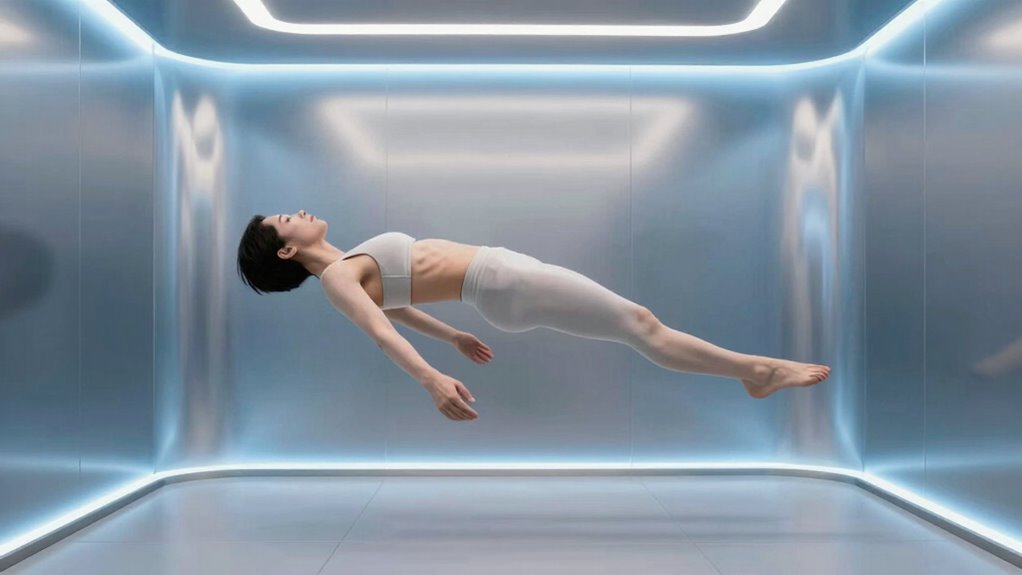
Zero gravity simulations can help reduce your spinal pressure by gently stretching your spine through spinal distraction. This process allows your discs to rehydrate and decompress, easing tension and discomfort. Additionally, it promotes better postural alignment, supporting overall spinal health. Incorporating simple systems into your routine can enhance these benefits and make spinal health maintenance easier. Using specialized sauna and cold-plunge setups can further augment your recovery and relaxation efforts. Engaging in consistent spinal decompression techniques can also maximize the benefits of zero gravity simulations for long-term spinal well-being. Incorporating modern technology into these practices can optimize their effectiveness and support ongoing spinal health. Integrating adaptive lighting and routines that support circadian health can contribute to improved postural awareness and overall comfort.
Spinal Distraction Benefits
Simulating zero gravity conditions can substantially reduce the pressure on your spine, offering relief from discomfort and strain. This form of gravity therapy mimics the weightless environment of space, allowing your spine to undergo effective spinal distraction. By decreasing axial load, you experience less compression and tension in your vertebrae and discs. This process promotes spinal decompression, which can alleviate pain and improve mobility. This technique leverages evidence‑based methods to safely target spinal health.
- You get a gentle stretch that encourages disc space restoration
- Muscle tension relaxes as pressure eases, reducing pain
- Joint alignment improves, supporting overall spinal health
These benefits make zero gravity simulations a powerful tool for spinal decompression, helping your body heal and function better without invasive procedures.
Enhanced Postural Alignment
Reducing spinal pressure through zero gravity simulations can substantially enhance your postural alignment. When you experience less compression on your spine, it becomes easier to maintain proper posture correction naturally. Zero gravity environments allow your spine to relax and align as it would in weightlessness, relieving the strain caused by gravity’s pull. This improved spinal alignment helps correct poor posture, reducing awkward curves and imbalances. As your spine finds a more neutral position, you may notice less back pain and increased comfort during daily activities. Consistently engaging with zero gravity simulations supports your efforts to restore and maintain healthy posture correction. Ultimately, this promotes better spinal health and prevents long-term postural issues caused by gravity’s continuous effects.
What Space Missions Teach Us About Zero Gravity and Spinal Health

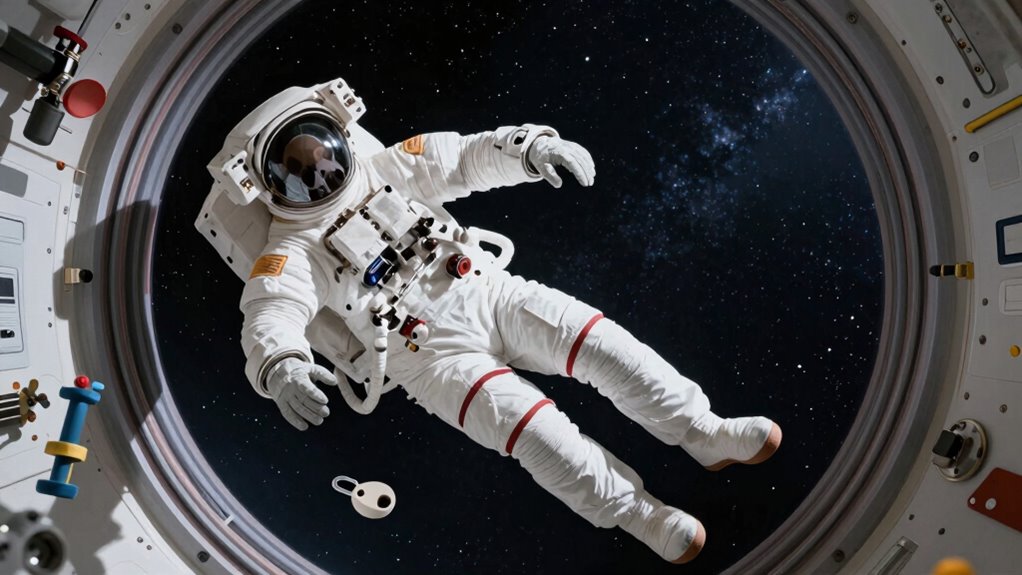
Space missions have provided valuable insights into how the absence of gravity affects your spine. During cosmic exploration, astronauts experience significant spinal elongation due to the lack of gravity’s compressive forces. These missions reveal how zero gravity causes vertebrae to stretch and discs to expand, which can lead to back discomfort. Astronaut training emphasizes the importance of understanding these changes to prepare for prolonged space travel.
Space travel shows how zero gravity causes spinal elongation and back discomfort.
- Experiments show spinal elongation can reach up to 2 inches in orbit, affecting posture.
- Prolonged weightlessness weakens core muscles that support your spine.
- Countermeasures, like resistance exercises, help mitigate these effects and protect spinal health.
Can Zero Gravity Experience Help Relieve Back Pain?
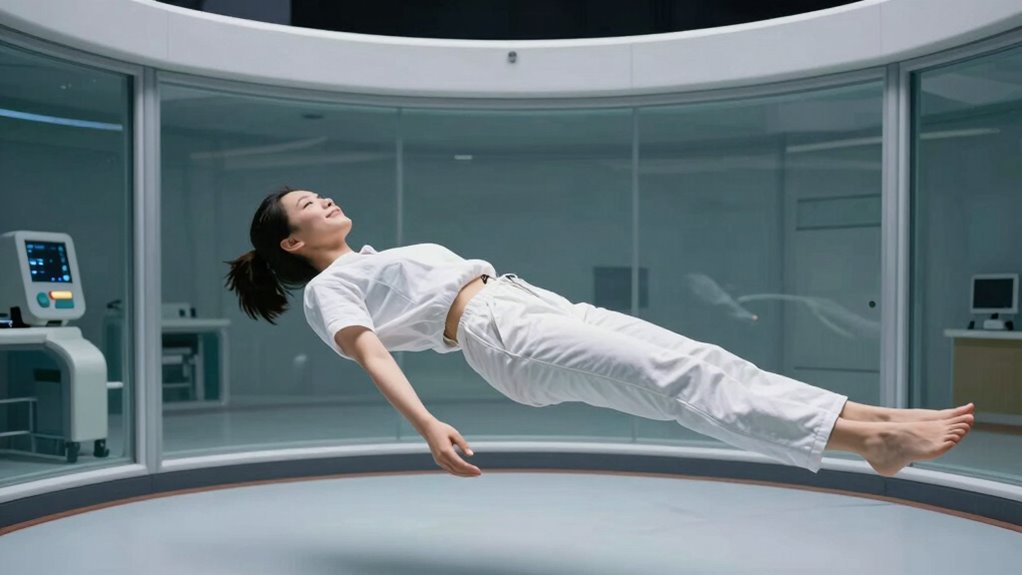
Experiencing zero gravity can actually offer relief from certain types of back pain. When you’re weightless, the spine decompresses, reducing pressure on discs and nerves. This environment can complement therapies like massage therapy and posture correction, enhancing pain relief and mobility. Zero gravity may also help reset your natural posture, easing chronic strain caused by poor alignment. While not a cure-all, it provides a unique way to relax tense muscles and promote spinal health. Think of it as a temporary reset, giving your back a break from gravity’s constant pull. Combining zero gravity experiences with targeted therapies can improve your overall back health and reduce discomfort.
| Benefit | Mechanism | Result |
|---|---|---|
| Posture correction | Realigns spine | Better alignment |
| Massage therapy | Relaxes muscles | Decreases tension |
| Spinal decompression | Reduces disc pressure | Less pain, increased mobility |
Devices and Techniques That Simulate Zero Gravity for Back Relief
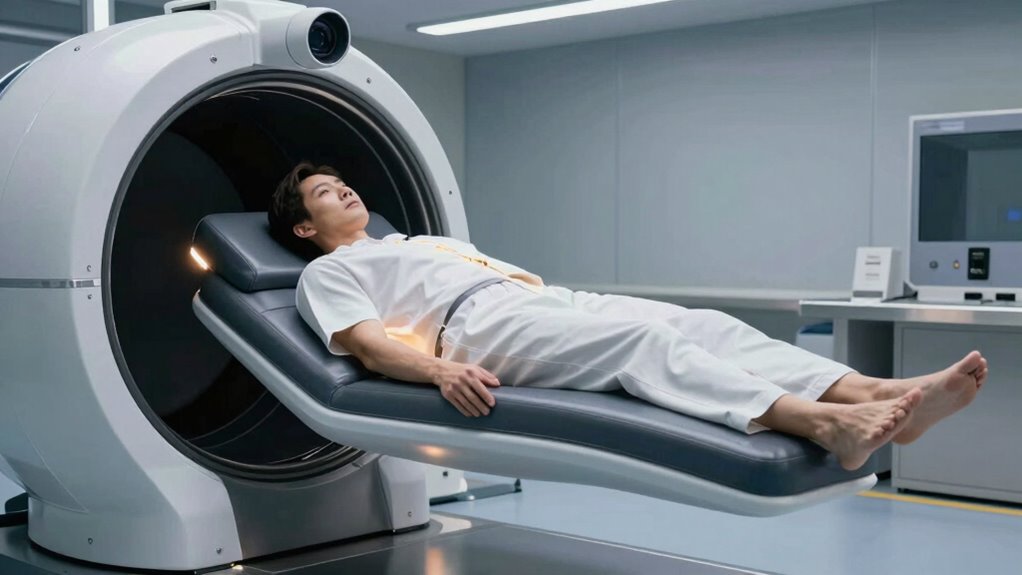
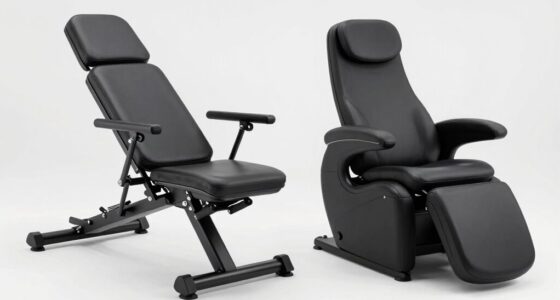
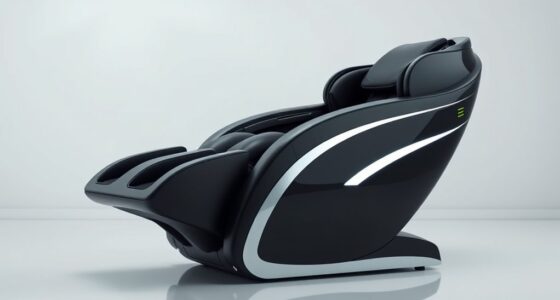
Various devices and techniques now allow you to simulate zero gravity conditions at home or in clinical settings, providing an accessible way to relieve back pain. These methods use artificial gravity and gravity simulation to mimic the sensation of weightlessness, reducing spinal compression. For example, inversion tables tilt your body to decompress your spine gently. Gravity simulation beds utilize specialized movement to create a feeling of floating, easing pressure on your discs. Additionally, some advanced therapy devices employ controlled rotational forces to replicate zero gravity effects precisely. These tools are designed to help you experience spinal decompression similar to actual zero gravity environments, making back relief more achievable outside space or specialized facilities. Incorporating these techniques into your routine could offer significant comfort and support recovery from back issues.
Are Zero Gravity Therapies Safe and Accessible for Back Pain?
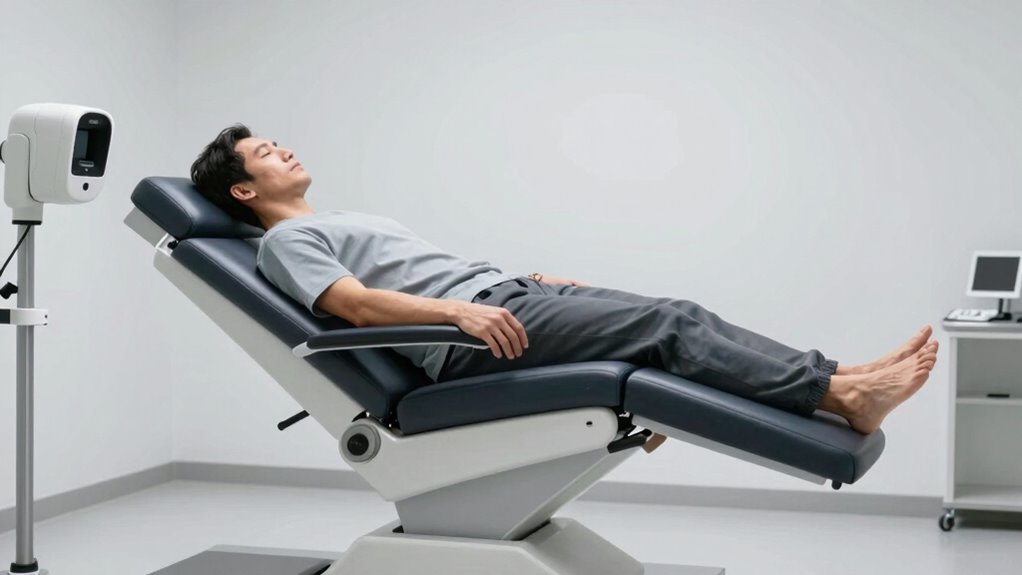
Zero gravity therapies can be a safe and effective option for relieving back pain when used properly. As an alternative therapy, they offer a non-invasive way to reduce spinal pressure and improve comfort. However, it’s important to contemplate safety by consulting with healthcare professionals before starting treatment. Accessibility varies depending on location and facility availability, but many clinics and wellness centers now offer zero gravity sessions. Cost considerations are also significant; these therapies can be expensive, and insurance coverage may be limited. While generally safe, some individuals with certain health conditions should exercise caution. Ultimately, weighing the benefits against potential costs and consulting your doctor will help determine if zero gravity therapies are a suitable, accessible solution for your back pain.
Frequently Asked Questions
How Long Can Humans Safely Stay in Zero Gravity Environments?
In space travel, you can safely stay in zero gravity for about six months, but longer durations risk muscle atrophy and bone loss. Imagine floating weightlessly, your body feeling lighter than air, yet your muscles weaken without gravity’s pull. To protect your health, astronauts need rigorous exercise routines and medical monitoring. While technology advances, extended stays beyond this timeframe still pose significant health challenges, requiring careful management.
Are There Any Long-Term Risks of Zero Gravity on Spinal Health?
Yes, long-term zero gravity exposure can pose risks to your spinal health. You might experience spinal degeneration due to the lack of gravitational pull, which normally helps maintain disc and vertebra strength. Additionally, your bone density can decrease over time, increasing the risk of fractures. These changes could lead to chronic pain or mobility issues if not managed properly during extended stays in space.
Can Zero Gravity Therapies Be Combined With Traditional Back Treatments?
You can definitely combine zero gravity therapies with traditional back treatments, especially as space tourism spurs more zero gravity research. For example, a patient with herniated discs might use zero gravity sessions alongside physical therapy to enhance recovery. This integrative approach leverages the unique benefits of zero gravity, making treatments more effective and personalized. As space exploration advances, combining these methods could revolutionize spinal care and pain management.
What Are the Costs Associated With Zero Gravity Simulation Devices?
The costs of zero gravity simulation devices vary based on size, features, and technology, typically ranging from several thousand to over $50,000 for commercial models. You should consider cost considerations like upfront purchase, ongoing device maintenance, and potential upgrades. Maintenance costs ensure the device stays in ideal condition, which can add to the overall expense. Budgeting for these factors helps you make an informed decision about investing in zero gravity therapy.
Is Zero Gravity Therapy Effective for All Types of Back Pain?
Zero gravity therapy can be effective for many types of back pain, especially for issues like herniated discs or spinal stenosis. For example, a patient with poor posture correction and nerve compression found relief through spinal decompression in zero gravity. However, it may not be suitable for all conditions, such as fractures or severe osteoporosis. Always consult your doctor to determine if zero gravity therapy fits your specific back pain needs.
Conclusion
While zero gravity might seem like just a space-age concept, it surprisingly offers real relief for your spine. You never know when a quick simulation or device could help ease your back pain, much like astronauts experience in space. It’s a coincidence that what benefits astronauts can also benefit you on Earth. Exploring zero gravity therapies might just be the unexpected solution you didn’t realize you needed for a healthier, happier back.