TL;DR

Get wellness gear delivered free with Prime
- Fast, free delivery on millions of items
- Prime Video, Amazon Music and more included
- Member-only deals all year
A Fit&Well report on a 30-day weighted-vest trial describes knee swelling and a fitness plateau after the writer increased load alongside running distance and speed. Trainer Holly Haywood recommends starting light, using the vest selectively and changing only one training variable at a time; the report does not establish that vests preserve muscle or bone density.
A 30-day weighted-vest trial reported by Fit&Well ended with the writer describing swollen knees and a fitness plateau after adding weight while also increasing running distance, speed or frequency. The account, which tested 6-pound and 10-pound vests, underscores that claims about potential muscle and bone benefits do not remove the need for gradual progression and sound technique.
The writer said they wore the vests during workouts while training for a marathon, and later concluded they had increased too many elements of training at once. One long run ended at 12.5 miles rather than the planned 14, the report said. This is a personal account, not a controlled test of whether weighted vests preserve muscle or bone density.
Holly Haywood, a lead instructor at London fitness club chain Third Space, advised beginning with a light load and increasing it gradually if comfort and technique remain good. She suggested a starting point of no more than 5% of body weight for general resistance training. The report’s writer proposed an even lighter 1% to 2% starting range for running, based on their own experience; that figure was not presented as Haywood’s recommendation.
Haywood recommended trying a brisk treadmill walk for 15 to 20 minutes before building up. The report also advises reserving a vest for bodyweight exercises, such as push-ups, dips and pull-ups, once the movements can be performed with good form. Haywood warned that excessive or incorrectly worn load can place additional strain on the knees, hips and ankles and may affect movement technique.
Safer Progression With Added Load
Weighted vests add resistance to movement, which can make familiar exercises more demanding. That may appeal to people looking to add load without simply doing more repetitions, but the Fit&Well report offers an individual experience rather than evidence of a health outcome. It does not show that wearing a vest prevents age-related muscle loss or osteoporosis, or that it is suitable for every person or activity.
The practical concern in the account is how several training demands can compound. Carrying extra weight while running farther or faster can increase workload at the same time across load, duration and pace. The writer associated that approach with knee swelling and stalled fitness. Readers should treat that experience as a caution, not proof that vests cause those effects in all users.
For people considering a vest, Haywood’s advice focuses on a manageable starting load, good form and paying attention to discomfort. A vest that changes technique or causes joint discomfort may not be an appropriate addition to that workout. People with existing joint, bone or other health conditions should seek guidance from a qualified health professional before increasing exercise load.
weighted vest for resistance training
As an affiliate, we earn on qualifying purchases.
As an affiliate, we earn on qualifying purchases.
How the 30-Day Trial Unfolded
Weighted vests have received attention from athletes and social-media influencers, according to Fit&Well. The report set that interest against the general idea of load-bearing exercise as a way to challenge the body, while its actual evidence was a single reporter’s trial rather than a clinical study.
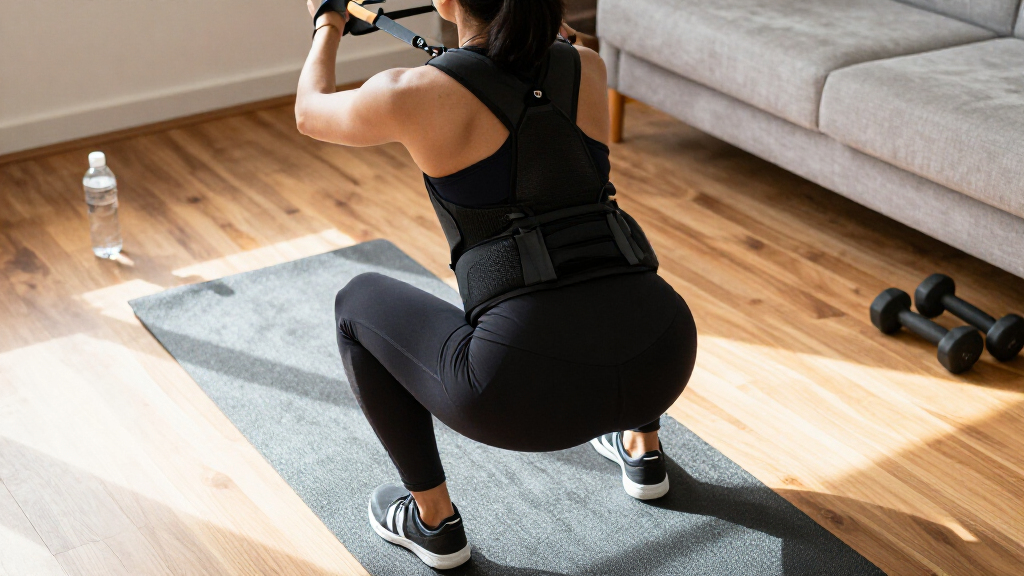
The writer tested OMORPHO’s 6-pound G-Vest Run and 10-pound G-Vest Icon for 30 days. At the time, they were also training for a marathon. They wore the additional load across different workouts and, by their account, sometimes increased distance, speed or frequency as well. After experiencing knee swelling and a fitness plateau, the writer reconsidered how they had structured the trial.
The report’s four practical lessons were to start with a low weight, avoid wearing a vest on long runs, consider it for controlled bodyweight exercises and increase only one training variable at a time. Those are recommendations drawn from the article’s experience and its interview with Haywood; they are not a universal training prescription.
“The general recommendation, like with most resistance training, is to start light and gradually build up as strength and comfort with the vest improve.”
— Holly Haywood, lead instructor at Third Space, as quoted by Fit&Well
lightweight weighted vest for running
As an affiliate, we earn on qualifying purchases.
As an affiliate, we earn on qualifying purchases.
Benefits and Individual Risks
The supplied report does not include a clinical study measuring changes in muscle mass, bone density, injury rates or long-term health. Its headline refers to potential muscle and bone benefits, but the reported 30-day test cannot establish those effects. It is also unclear how the writer’s outcomes relate to other users, because the account covers one person’s training and does not isolate the effect of the vest from marathon preparation.
The article gives general starting-load suggestions but does not set out an individualized assessment for readers with health conditions, previous injuries or different exercise experience. The best load, activity and progression rate can vary. The report also does not provide details that would allow readers to compare the two tested vest models as products beyond their stated weights and the writer’s comments on fit.
adjustable weighted vest for exercises
As an affiliate, we earn on qualifying purchases.
As an affiliate, we earn on qualifying purchases.
Practical Steps Before Adding Weight
The report’s suggested next step is to introduce the vest in a short, controlled workout, such as a 15-to-20-minute brisk walk, and build volume gradually if it feels comfortable. Haywood suggested increasing effort through a small incline rather than changing speed and duration at the same time. For strength exercises, the article advises establishing reliable form before adding resistance.
There is no follow-up study or further testing announced in the supplied material. Readers considering weighted exercise can consult a qualified trainer or physiotherapist about technique and programming; anyone with a pre-existing condition or persistent joint discomfort should seek professional medical advice. Whether the approach helps preserve muscle or bone for a given person remains a question for evidence beyond this account.
weighted vest for bodyweight workouts
As an affiliate, we earn on qualifying purchases.
As an affiliate, we earn on qualifying purchases.
Key Questions
Does this report prove weighted vests preserve muscle or bone density?
No. Fit&Well describes one writer’s 30-day experience and trainer advice; it does not report measurements of muscle or bone density or establish a health benefit.
How much weight does the report suggest starting with?
Trainer Holly Haywood suggested starting at no more than 5% of body weight for general resistance training. The writer suggested 1% to 2% for running based on personal experience, not as a clinical standard.
Is running in a weighted vest recommended in the report?
The writer advised against wearing one on long runs after experiencing knee swelling during marathon training. Haywood said an excessive or incorrectly worn load can strain joints and affect form. The report does not establish a universal rule for all runners.
What should someone do if a vest causes joint discomfort?
Haywood advised switching to a lighter vest or removing it. People with ongoing discomfort or a pre-existing health condition should seek guidance from a qualified health professional.
Source: rss
Halloween Picks
halloween
As an affiliate, we earn on qualifying purchases.