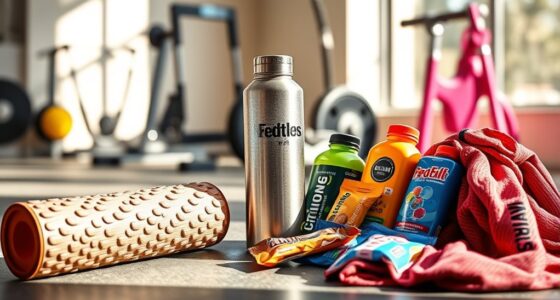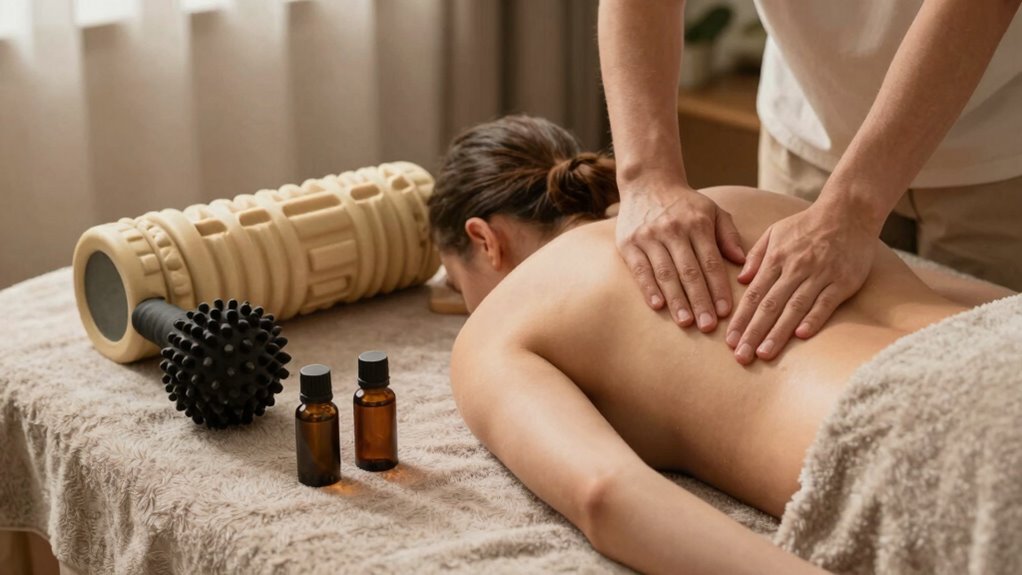
As a massage therapist, you can guide clients to use home recovery tools like massage balls or heat packs to extend session benefits and speed up healing. Teach them proper techniques, offer written or video guides, and customize routines based on their needs and lifestyles. Encourage consistent use and monitor progress through journals or check-ins. By empowering clients to take an active role, you’ll help them achieve lasting health—there’s more to explore on making this even more effective.
Prime for Young Adults — start your free trial
Fast free delivery, streaming and member deals for eligible 18–24 year olds.
As an affiliate, we earn on qualifying purchases.
Key Takeaways
- Educate clients on proper tool usage and techniques during sessions to ensure effective self-care at home.
- Customize self-care routines based on individual needs, conditions, and lifestyle to enhance recovery.
- Demonstrate and provide written or video instructions to build client confidence and ensure correct application.
- Encourage clients to track their practices and progress, facilitating routine adjustments and motivation.
- Emphasize the importance of consistency and ongoing education to sustain long-term health benefits.
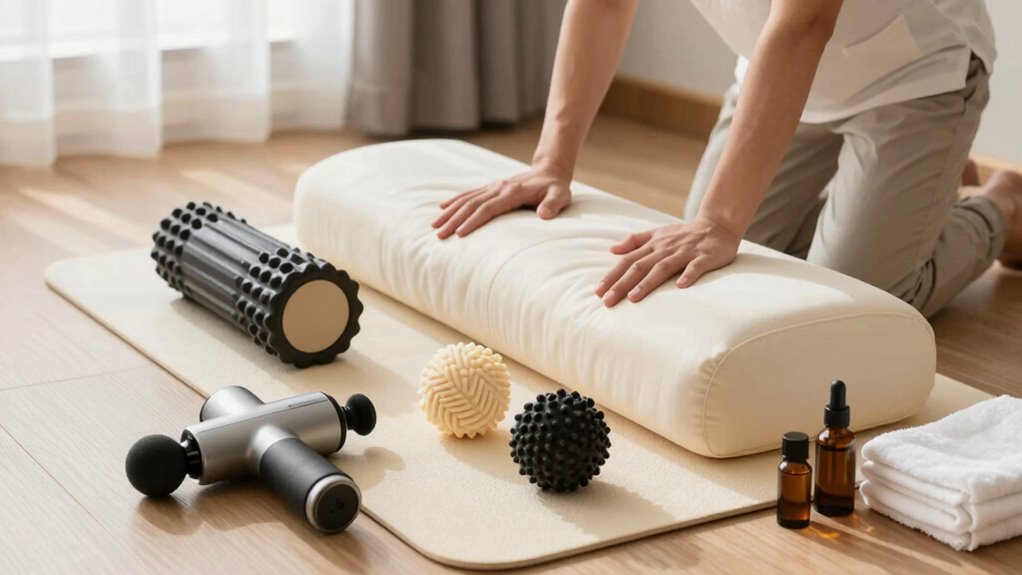
Many massage therapists now incorporate home recovery tools into their clients’ treatment plans to enhance healing and maintain progress between sessions. These tools serve as a bridge, allowing you to extend the benefits of massage beyond the therapy room. When you guide your clients in effective self-care routines, you empower them to take an active role in their recovery. This not only accelerates healing but also fosters a sense of ownership over their health. Providing clear, practical instructions on how to use tools like foam rollers, massage balls, or heating pads helps clients integrate these practices seamlessly into their daily lives.
Incorporating self-care tools empowers clients, extends massage benefits, and promotes active recovery at home.
Client education becomes a cornerstone of this approach. You want your clients to understand why these tools are important and how they can optimize their use. Demonstrating proper techniques during your sessions ensures they feel confident using them independently. For example, showing how to roll out sore muscles with a foam roller or applying heat safely can make a significant difference in their recovery process. When clients grasp the purpose behind these routines, they’re more likely to stick with them consistently. You can also provide written guides or videos that reinforce your instructions, making it easier for clients to reference later.
Another key aspect is customizing self-care routines to each client’s needs. Not every recovery tool suits everyone, so tailoring your recommendations based on their condition, lifestyle, and preferences leads to better adherence. For instance, a client with chronic back pain might benefit from daily gentle stretching and targeted massage ball exercises, while someone recovering from an injury might need more focused heat therapy. Your role is to educate them on how to incorporate these routines into their schedules, ensuring they’re manageable and sustainable. Additionally, understanding the importance of proper technique can significantly improve the effectiveness of self-care routines and prevent potential injuries. Educating clients about the benefits of muscle recovery devices can also motivate them to stay committed and consistent with their routines. Recognizing the value of ongoing education**** helps clients understand that self-care is a continuous process that contributes to long-term health. The ongoing process of education and support encourages clients to view self-care as an integral part of their overall health management.
Encouraging regular communication also plays a crucial role. Asking clients to keep a simple journal of their self-care routines or to report on their progress helps you adjust recommendations as needed. Over time, this ongoing education and support build trust and motivate clients to maintain their routines. It’s about turning passive recipients into active participants in their healing journey. By emphasizing the importance of consistency and proper technique, you help your clients develop habits that improve their overall well-being. Recognizing the impact of muscle recovery devices can further motivate clients to stay committed to their routines. The combination of effective self-care routines and thorough client education ensures they get the most out of their massage therapy and recovery process, leading to better long-term results.
As an affiliate, we earn on qualifying purchases.
Frequently Asked Questions
How Do I Recommend the Right Recovery Tools to Clients?
To recommend the right recovery tools, focus on proper tool selection based on your client’s specific needs and areas of concern. Educate your clients on how to use each tool safely and effectively, emphasizing correct techniques and maintenance. By providing personalized advice and clear instructions, you empower clients to incorporate their recovery tools into daily routines, enhancing their healing process and overall well-being between sessions.
Are There Risks of Clients Misusing Recovery Tools at Home?
Think of recovery tools as a delicate garden; improper care can lead to weeds. Yes, clients might misuse tools if you don’t emphasize proper tool selection and risk awareness. They could apply too much pressure or use the wrong device, causing discomfort or injury. As a therapist, you must educate them thoroughly, ensuring they understand the correct techniques and potential risks, so their recovery garden flourishes safely at home.
How Often Should Clients Use Home Recovery Tools?
You should advise your clients to use home recovery tools as needed, typically 1-3 times daily, depending on their condition. Emphasize proper massage techniques and make sure they understand when to stop if discomfort occurs. Through client education, you help them use tools safely and effectively, preventing misuse. Regular, moderate use can enhance recovery, but overuse might cause issues, so clear guidance is crucial for maximum results.
What Training Is Needed to Instruct Clients on Recovery Tools?
Think of training clients on recovery tools as handing them a well-tuned instrument. To do this effectively, you need proper certification requirements and a solid understanding of massage techniques. You should complete specialized courses that cover safe usage, anatomy, and troubleshooting. This guarantees you can confidently instruct clients, empowering them to maintain their progress between sessions and preventing misuse, ultimately enhancing their healing journey.
How Can I Track Client Progress With Home Recovery Tools?
You can track client progress with home recovery tools through remote monitoring and progress documentation. Regularly check in via digital platforms, asking clients to log their daily use and any changes in discomfort or mobility. Keep detailed records of these updates, noting improvements or setbacks. This allows you to adapt your guidance, guarantee accountability, and measure the effectiveness of the tools, ultimately enhancing your clients’ recovery journey between sessions.
As an affiliate, we earn on qualifying purchases.
Conclusion
By incorporating home recovery tools into your routine, you’ll uncover the secret weapon to transforming your clients’ healing journey. These tools empower your clients to take charge of their recovery, making each session more effective than the last. With consistent use, you could see results so dramatic they’ll feel like a miracle—faster healing, less pain, and happier clients. Keep guiding them with these tools, and watch your practice become unstoppable in delivering true wellness.
As an affiliate, we earn on qualifying purchases.
self-care instructional videos for muscle recovery
As an affiliate, we earn on qualifying purchases.
As an affiliate, we earn on qualifying purchases.
Fall Picks
fall essentials
As an affiliate, we earn on qualifying purchases.