
TL;DR
Interest in exercises to improve rotational strength among aging populations is rising, driven by the need to maintain mobility and prevent falls. Experts emphasize targeted, safe routines, though definitive research is still emerging.
Search interest in exercises aimed at building rotational strength among older adults is surging, highlighting a growing awareness of the importance of core stability for aging populations. While scientific research is still developing, experts suggest that targeted rotational exercises could help improve mobility, balance, and reduce fall risk for seniors.
Rotational strength exercises involve movements that engage the core muscles to twist and turn the torso, which are vital for daily activities such as reaching, bending, and turning. Although specific studies on older adults are limited, preliminary evidence indicates that such exercises can support functional movement and stability.
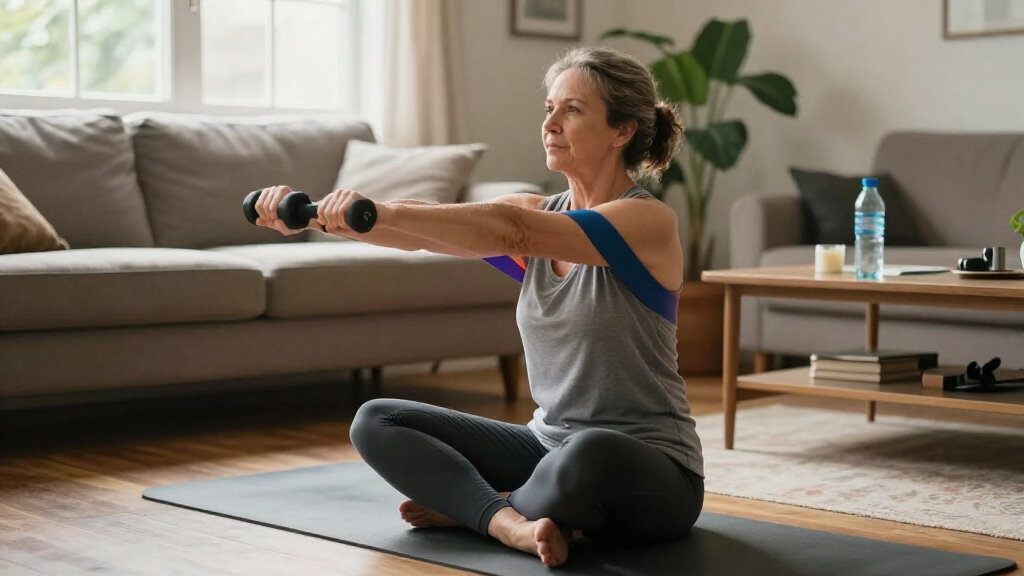
Health professionals recommend that seniors incorporate gentle, controlled rotational movements into their routines, emphasizing safety and proper form. Common exercises include seated torso twists, standing trunk rotations, and using resistance bands for controlled twists. These routines are generally low-impact but should be tailored to individual fitness levels and medical conditions.
Despite the rising interest, there is currently no consensus on standardized protocols for rotational strength training in aging populations. Researchers are exploring how these exercises can be optimized for different levels of mobility and health status, with some preliminary findings suggesting potential benefits for balance and fall prevention.
Why Rotational Strength Matters for Aging Adults
Maintaining rotational strength is increasingly recognized as a key component of healthy aging. As people age, muscle mass and flexibility tend to decline, which can impair balance and coordination. Weakness in the core muscles responsible for rotation can lead to difficulty with everyday tasks and increase the risk of falls, a leading cause of injury among seniors.
By engaging in targeted rotational exercises, older adults may enhance their ability to perform daily movements safely, potentially reducing fall-related injuries and improving overall quality of life. These exercises can also support spinal health and posture, further contributing to mobility and independence.
Public health experts and physiotherapists emphasize that incorporating rotational strength routines into regular exercise regimens could be a simple yet effective strategy to promote longevity and functional independence among aging populations.
As an affiliate, we earn on qualifying purchases.
Growing Interest in Functional Movement for Seniors
The interest in exercises to enhance rotational strength is part of a broader trend toward functional movement training for older adults, aimed at maintaining independence and reducing healthcare costs. While research on specific protocols is still emerging, the focus on core stability and balance has gained traction in fitness and medical communities.
Historically, exercise recommendations for seniors have emphasized walking, stretching, and strength training. Recently, however, there is increased attention on dynamic movements that mimic everyday activities, including rotational motions, to better prepare older adults for real-life challenges.
This shift is driven by a combination of demographic changes, increased longevity, and a growing body of evidence linking core strength to fall prevention and mobility.
seated torso twist exercise equipment
As an affiliate, we earn on qualifying purchases.
As an affiliate, we earn on qualifying purchases.
Unconfirmed Aspects of Rotational Strength Training for Seniors
It is not yet clear how specific rotational exercises compare to other forms of core training in terms of effectiveness for fall prevention among older adults. The optimal frequency, intensity, and types of exercises remain to be established through rigorous clinical trials.
Additionally, there is limited data on safety considerations for seniors with pre-existing conditions or mobility impairments, which complicates broad recommendations. Researchers acknowledge that more evidence is needed to develop standardized guidelines tailored to diverse health profiles.
standing trunk rotation exercise tools
As an affiliate, we earn on qualifying purchases.
As an affiliate, we earn on qualifying purchases.
Next Steps in Research and Practice Development
Researchers are planning controlled studies to evaluate the long-term effects of rotational exercises on balance, strength, and fall risk in older populations. Health professionals are also beginning to incorporate preliminary protocols into community and clinical settings, with ongoing monitoring of safety and efficacy.
Public health initiatives may soon promote specific rotational routines as part of comprehensive fall prevention programs, pending further evidence. Meanwhile, individuals are advised to consult healthcare providers before starting new exercise regimens, especially if they have existing health issues.
core strength training for older adults
As an affiliate, we earn on qualifying purchases.
As an affiliate, we earn on qualifying purchases.
Key Questions
Are rotational exercises safe for all seniors?
Rotational exercises are generally safe when performed with proper technique and within individual limits. Seniors with pre-existing health conditions should consult healthcare providers before beginning new routines.
How often should older adults do rotational strength exercises?
There are no standardized guidelines yet. Experts suggest starting with gentle routines 2-3 times per week, gradually increasing intensity under professional guidance.
Can rotational exercises prevent falls?
While preliminary evidence indicates potential benefits, more research is needed to confirm their effectiveness in fall prevention among seniors.
What are some examples of rotational exercises for seniors?
Common options include seated torso twists, standing trunk rotations, and resistance band twists, all performed with controlled movement and proper form.
Source: rss