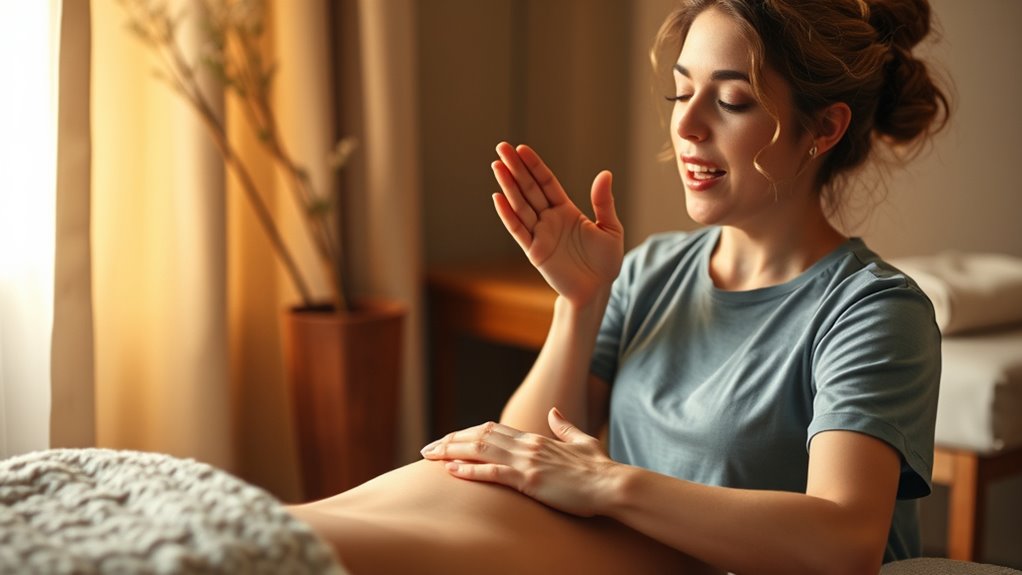

To guarantee safe massage practices, focus on proper breathing techniques by guiding clients to breathe deeply and evenly, which promotes relaxation and prevents strain. Create a calm environment with soft lighting and cleanliness to make clients feel secure. Stay attentive to body language, verbal cues, and breathing patterns to spot discomfort early. Incorporate breathwork into your sessions and adjust techniques as needed. Mastering these steps will help you provide safe, effective massages—continue to explore these key safety principles for better results.
Key Takeaways
- Maintain steady, deep breathing to promote relaxation and prevent hyperventilation during massage sessions.
- Monitor client cues, including breathing patterns and body language, to ensure comfort and safety.
- Use gentle prompts and guidance to help clients breathe evenly and fully throughout the massage.
- Create a calm environment with proper setup, lighting, and sanitation to support relaxed breathing.
- Be prepared to adjust techniques immediately if signs of distress or discomfort arise from the client.
Understanding the Importance of Proper Breathing Techniques
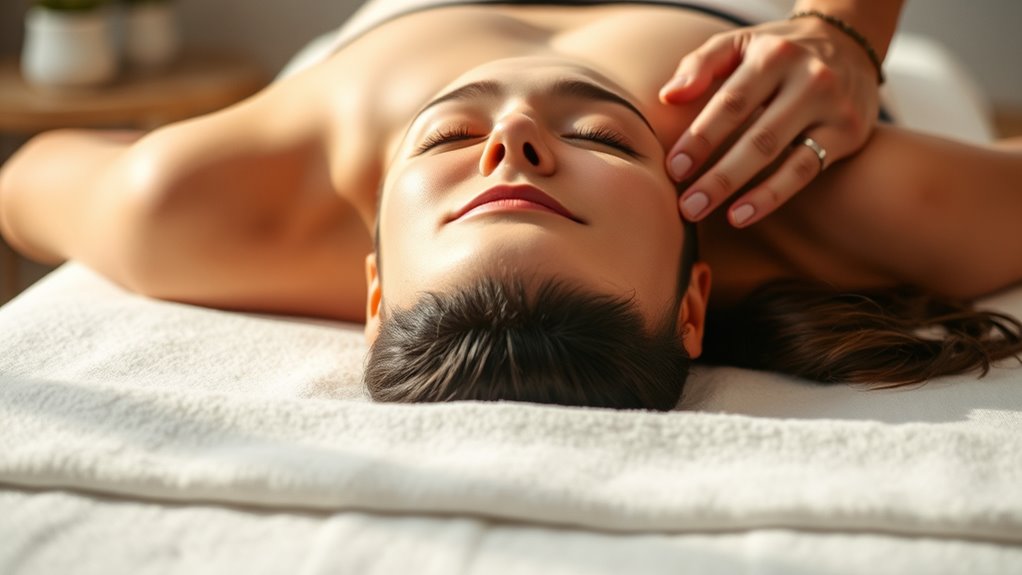
Understanding proper breathing techniques is essential because they directly impact the safety and effectiveness of a breathing massage. When you focus on breath control, you ensure that your client maintains steady, relaxed breaths, reducing the risk of hyperventilation or discomfort. Developing respiratory awareness helps you recognize subtle cues—like shallow breathing or tension—that indicate your client’s needs are changing. By guiding your client to breathe deeply and evenly, you promote relaxation and maximize the massage’s benefits. Proper breathing techniques also help prevent unintended strain or dizziness. Remember, your role is to support a calm, controlled breathing pattern, which fosters a safe environment. Additionally, understanding proper breathing techniques can improve the overall effectiveness of your massage therapy. Mastering these fundamentals guarantees that every breathing massage is both safe and impactful for your client.
Creating a Safe and Comfortable Environment for Clients
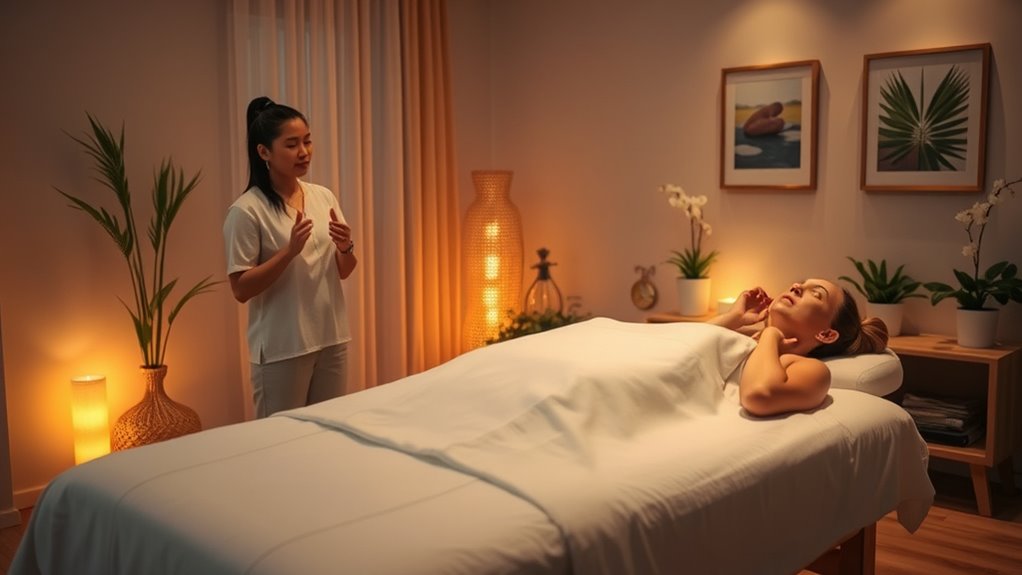
Creating a safe and comfortable environment for your clients is vital to guarantee they can relax fully and benefit from the massage. Start with a well-organized massage room setup that promotes tranquility and privacy. Use calming colors, soft lighting, and minimal clutter to foster relaxation. Proper equipment sanitation is also essential; always disinfect tables, linens, and tools between sessions to prevent infections and build trust. Make sure the room is at a comfortable temperature and free from noise or interruptions. Keep supplies within easy reach so you can focus on your client without disruptions. Additionally, understanding somatic therapy techniques can help tailor your environment to support emotional healing alongside physical relaxation. By paying attention to these details, you create a safe space where clients feel secure, valued, and ready to fully enjoy their massage experience.
Monitoring Client Response and Communicating Effectively

During a breathing massage, remaining attentive to your client’s physical and verbal cues is vital, as they can indicate comfort levels or potential issues. Watch their body language for signs of tension, discomfort, or relaxation, such as clenched fists, shifting, or deep breaths. Listen carefully to verbal cues like sighs, breath sounds, or words that suggest pain or ease. Your ability to interpret these signals helps you adjust your technique and guarantee safety. Communicate clearly with your client by asking simple questions and checking in regularly. Encouraging open dialogue fosters trust and allows you to respond promptly to any concerns. Staying alert to both body language and verbal cues ensures a safe, supportive environment throughout the massage. Paying attention to client feedback and adjusting accordingly is essential for maintaining a safe practice.
Incorporating Breathwork Into Massage Practices
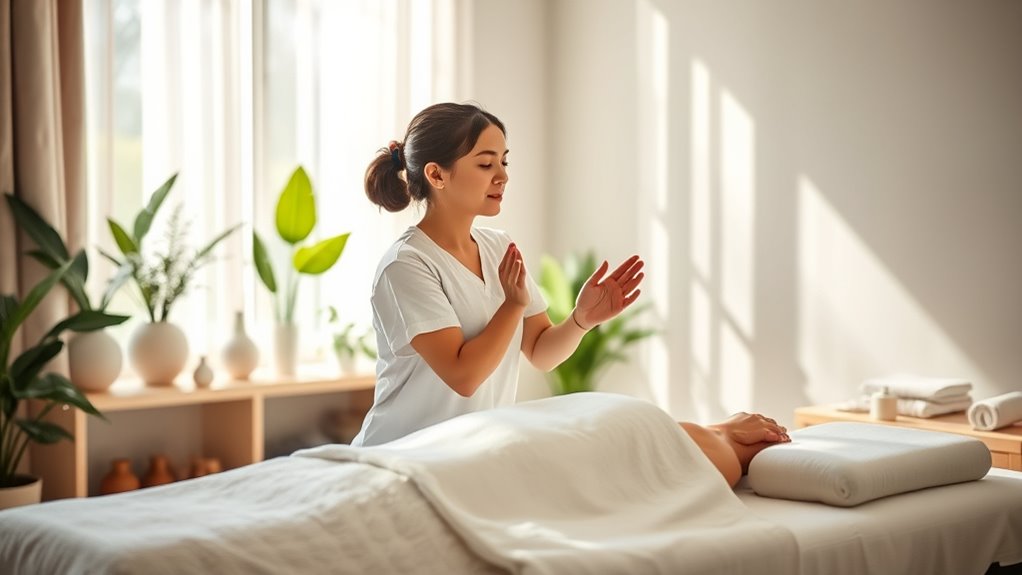
Integrating breathwork into your massage sessions can considerably boost relaxation for your clients. You should focus on techniques that promote deep, calming breaths while checking in to make certain of their comfort. When done thoughtfully, this approach helps create a more effective and soothing experience. Incorporating ethical hacking principles can also be useful in ensuring that your practice maintains client confidentiality and data security.
Enhancing Relaxation Techniques
Incorporating breathwork into massage practices can considerably deepen relaxation and enhance overall well-being. By guiding clients to use breath control, you activate their relaxation response, reducing stress and tension. Proper breathing techniques help clients focus inward, amplifying the calming effects of the massage. To enhance relaxation, consider these steps:
- Encourage slow, diaphragmatic breathing during the session.
- Guide clients to inhale deeply through the nose and exhale fully through the mouth.
- Use gentle prompts to maintain a steady breath rhythm.
- Integrate brief pauses in breath to deepen relaxation and promote mindfulness.
- Remind clients that spiritual energy can be amplified through focused breathing, fostering a deeper connection to their inner selves.
Implementing these techniques helps clients experience a more profound state of calm, maximizing the benefits of your massage and supporting their overall relaxation.
Ensuring Client Comfort
To make certain your clients feel comfortable while practicing breathwork during a massage, it is crucial to pay attention to their physical and emotional cues. Use breath awareness to gauge their comfort level and adjust your approach accordingly. Engage in client-centered communication by asking open-ended questions and listening carefully to their responses. Observe their body language for signs of tension or discomfort, and be ready to modify techniques if needed.
| Visible Cues | Verbal Cues |
|---|---|
| Tensed shoulders | “I feel anxious” |
| Shallow breathing | “This feels uncomfortable” |
| Restlessness | “I’m overwhelmed” |
| Relaxed posture | “I feel more at ease” |
Recognizing and Addressing Signs of Discomfort or Distress
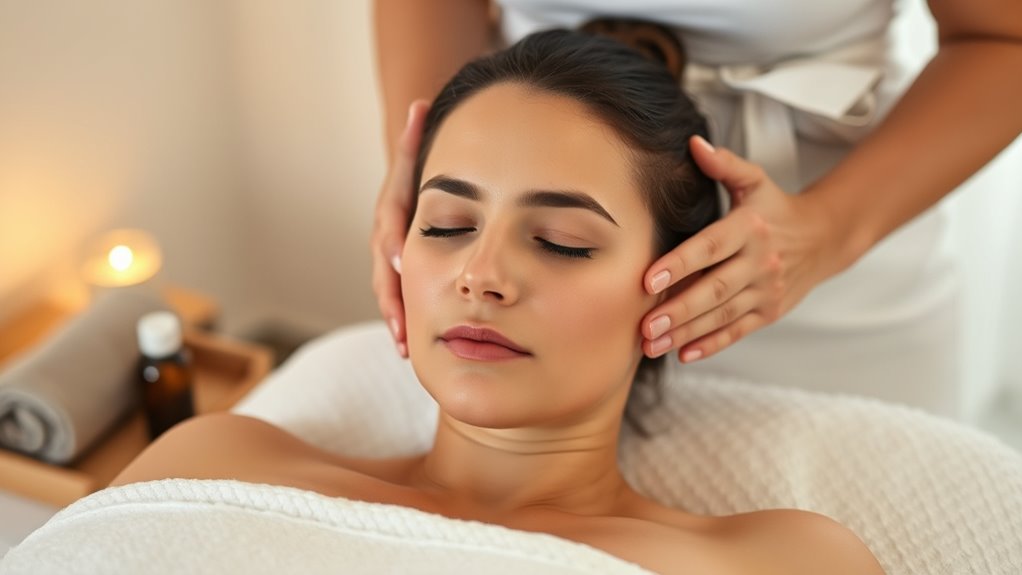
Recognizing signs of discomfort or distress during a breathing massage is essential for ensuring safety. Your awareness of emotional cues and verbal feedback helps you identify when a client isn’t comfortable. Look out for these key signs:
- Changes in facial expression or tense muscles indicating tension or anxiety
- Shortened or irregular breathing patterns suggesting distress
- Verbal feedback such as comments about discomfort or difficulty breathing
- Unexpected movements or pulling away during the session
A proper assessment of skin reactions can also help identify any adverse responses to massage techniques or ingredients.
Maintaining Personal Safety and Self-Awareness During Sessions
Maintaining your personal safety and self-awareness during a breathing massage is essential for providing effective and secure care. To do this, prioritize stress management techniques to stay calm and focused, helping you respond appropriately to your client’s needs. Regular hygiene practices are critical to prevent infections and maintain a safe environment. Stay alert to your client’s body language and verbal cues, adjusting your technique if you notice discomfort or distress. Keep your workspace clean and sanitized, and practice good personal hygiene to set a professional example. By staying mindful of your own physical and emotional state, you can ensure a safe, supportive experience. Additionally, being aware of AI security vulnerabilities helps ensure that the technology used in your practice remains trustworthy and safe. This vigilance allows you to deliver a massage that promotes relaxation while safeguarding both your and your client’s well-being.
Frequently Asked Questions
How Can I Adapt Breathing Techniques for Clients With Respiratory Issues?
To adapt breathing techniques for clients with respiratory issues, you should implement breathing modifications tailored to their needs. Communicate openly with your client to understand their comfort levels and any restrictions. Encourage slow, deep breaths if appropriate, and avoid techniques that could cause discomfort. Always observe their responses, adjust as needed, and prioritize their safety and comfort throughout the massage. Clear client communication guarantees you provide safe, effective care.
What Emergency Procedures Should I Follow if a Client Experiences Severe Distress?
Imagine a calm sea suddenly storming—your client’s distress can feel just as chaotic. Stay calm, reassure your client with gentle words, and call emergency contacts immediately. Keep their airway open, monitor their breathing, and be prepared to perform CPR if needed. Your quick response can make all the difference. Prioritize their safety, provide reassurance, and wait for professional help to arrive while staying by their side.
Are There Specific Contraindications for Incorporating Breathwork Into Massage?
You should be cautious about incorporating breathwork if your client has medical contraindications like respiratory issues, cardiovascular problems, or recent surgeries. Always check for client allergies to specific aromatherapy or substances used during breathwork, as these can trigger adverse reactions. If you’re unsure about their health status or allergies, consult with their healthcare provider before proceeding. Prioritize your client’s safety to prevent complications during the session.
How Do I Ensure My Own Safety When Performing Breath-Focused Techniques?
To guarantee your safety when performing breath-focused techniques, prioritize breath control and maintain breathing awareness throughout your session. Start slowly, monitor your own breath patterns, and avoid pushing clients into uncomfortable or hyperventilating states. Use gentle guidance, watch for signs of distress, and encourage clients to breathe naturally. If you feel dizzy or overwhelmed, pause and reset your approach. Staying mindful of your own breath helps you stay safe and effective.
What Are Best Practices for Documenting Client Responses to Breath-Related Interventions?
You should document client responses by noting their comfort levels and any reactions during breath-related interventions. Use clear, concise language to track how they respond, including any changes in breathing patterns, emotional reactions, or discomfort. Regularly update their progress, and ask for feedback to guarantee their safety. Accurate response tracking helps you tailor future techniques and maintain a safe, supportive environment.
Conclusion
By mastering proper breathing techniques and creating a safe space, you’ll guide your clients through a calming river of relaxation. Stay attentive to their signals, like a vigilant lighthouse, illuminating signs of discomfort before they drift too far. Remember, your awareness is the anchor that keeps the session grounded and safe. When you weave safety into every breath, you transform each massage into a harmonious dance of trust and tranquility.