

Finding effective eco friendly winter home tips involves balancing warmth, energy efficiency, and sustainability. The Eco-Home Revolution stands out for its straightforward steps to reduce your carbon footprint, while Journey to a Non-Toxic Home emphasizes creating a healthier indoor environment. The main tradeoffs include choosing between cost-effective tips that may have limited impact versus higher-cost solutions that deliver greater sustainability. Keep reading for a detailed breakdown of the best strategies and products to make your home greener this winter.

Get wellness gear delivered free with Prime
- Fast, free delivery on millions of items
- Prime Video, Amazon Music and more included
- Member-only deals all year
Key Takeaways
- Top picks focus on energy-efficient insulation and heating solutions that cut winter energy use.
- Many recommended tips balance cost and ease of implementation, making sustainability accessible.
- The most effective strategies combine practical home upgrades with behavioral changes.
- Some products and tips emphasize health benefits alongside eco-friendliness, like non-toxic materials.
- Consistency and maintenance are key to maximizing the impact of winter home sustainability efforts.
| Clean & Green: 101 Tips for a More Eco-Friendly Home |  | Best Practical Guide for Beginners | Number of Tips: 101 | Focus: Practical eco-living tips | Format: Printed book | VIEW ON AMAZON | See Our Full Breakdown |
| Thrifty Household: More than 1000 Budget-Friendly Tips for a Clean, Waste-Free, Eco-Friendly Home |  | Best Budget-Friendly Eco Tips for Cost-Conscious Homes | Number of Tips: Over 1000 | Focus: Cost savings and waste reduction | Format: Printed book | VIEW ON AMAZON | See Our Full Breakdown |
| The 30 Day Greener, Smarter Home Blueprint: Design a Healthier, Sustainable Home with Simple Tech and Swaps |  | Best for Beginners Wanting Quick, Actionable Changes | Duration: 30 days | Focus: Tech swaps and simple improvements | Format: Printed book | VIEW ON AMAZON | See Our Full Breakdown |
| Journey to a Non-Toxic Home: The Room-by-Room Guide to a Natural, Healthy Home |  | Best for Families Interested in Chemical-Free Living | Focus: Non-toxic, natural living | Scope: Room-by-room | Format: Printed book | VIEW ON AMAZON | See Our Full Breakdown |
| Eco-Friendly Home Design: Simple Solutions for Sustainable Living, Energy Efficiency, and Eco-Conscious Choices |  | Best for Homeowners Seeking Practical Sustainable Strategies | Focus: Sustainable living and design | Topics Covered: Energy efficiency, eco-conscious choices | Format: Printed book | VIEW ON AMAZON | See Our Full Breakdown |
| The Eco-Friendly Home: 101 Sustainable Swaps for a Greener Life |  | Best for Practical Eco-Friendly Lifestyle Changes | Pages: not specified | Format: Digital and print | Author: Not specified | VIEW ON AMAZON | See Our Full Breakdown |
| The Winter Home Maintenance Guide: Plumbing, Heating, HVAC, Snow Removal, Ice Dams, Eco-Friendly De-Icing, Winter Safety |  | Best for Comprehensive Winter Home Preparation | Type: Digital or print guide | Coverage: Plumbing, HVAC, snow removal, safety | Author: Not specified | VIEW ON AMAZON | See Our Full Breakdown |
| Sustainable Home: Practical Projects, Tips, and Advice for Maintaining a More Eco-Friendly Household (Volume 1) |  | Best for DIY Eco-Friendly Projects and Practical Tips | Pages: not specified | Format: Paperback or digital | Author: Not specified | VIEW ON AMAZON | See Our Full Breakdown |
| Home Harmony: Turning Your House into an Eco-Friendly, Energy-Efficient Super Home | 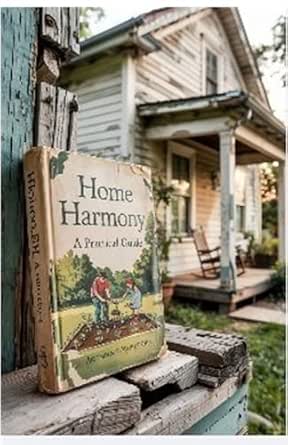 | Best for Upgrading Homes for Energy Efficiency | Type: Digital or print guide | Focus: Energy efficiency, eco-friendly upgrades | Author: Not specified | VIEW ON AMAZON | See Our Full Breakdown |
| Eco-Home Revolution: Simple Steps to a Sustainable Living Space |  | Best for Beginners in Sustainability | Pages: not specified | Format: Paperback or digital | Author: Not specified | VIEW ON AMAZON | See Our Full Breakdown |
| eco friendly winter home tip | Format | Language | Focus | Target Audience |
|---|---|---|---|---|
| Clean & Green: 101 Tips for a | Printed book | English | Practical eco-living tips | Beginners |
| Thrifty Household: More than 1 | Printed book | English | Cost savings and waste reduction | Budget-conscious families |
| The 30 Day Greener | Printed book | English | Tech swaps and simple improvements | Beginners and quick-change seekers |
| Journey to a Non-Toxic Home: T | Printed book | English | Non-toxic, natural living | Families with health sensitivities |
| Eco-Friendly Home Design: Simp | Printed book | English | Sustainable living and design | Homeowners interested in sustainability |
| The Eco-Friendly Home: 101 Sus | Digital and print | English | — | — |
| The Winter Home Maintenance Gu | — | — | — | — |
| Sustainable Home: Practical Pr | Paperback or digital | English | — | — |
| Home Harmony: Turning Your Hou | — | — | Energy efficiency, eco-friendly upgrades | — |
| Eco-Home Revolution: Simple St | Paperback or digital | English | — | — |
More Details on Our Top Picks
Clean & Green: 101 Tips for a More Eco-Friendly Home
While this book offers a broad list of 101 eco-friendly tips, it stands out for its accessibility and straightforward advice that appeals to those new to sustainable living. Unlike more technical guides like The 30 Day Greener, Smarter Home Blueprint, it lacks detailed implementation steps, making it ideal for readers seeking quick, actionable ideas rather than in-depth technical solutions. The focus on reducing environmental impact makes this a solid starting point for eco-conscious newcomers, but it doesn’t delve into specific product or material choices, which might leave seasoned eco-enthusiasts wanting more.
Pros:- Provides a comprehensive list of eco-friendly tips
- Easy-to-understand advice for sustainable living
- Helps reduce environmental impact
Cons:- No specific product features or details provided
- Limited guidance on practical implementation
Best for: Beginners wanting an easy-to-understand introduction to eco-friendly living without technical jargon
Not ideal for: Experienced eco-advocates seeking detailed product specifications or advanced sustainable home strategies
- Number of Tips:101
- Focus:Practical eco-living tips
- Format:Printed book
- Language:English
- Target Audience:Beginners
Our verdict“This book is perfect for eco-curious homeowners starting their sustainability journey without technical complexity.”
Thrifty Household: More than 1000 Budget-Friendly Tips for a Clean, Waste-Free, Eco-Friendly Home
This extensive compilation of over 1,000 tips emphasizes affordability alongside eco-consciousness, making it ideal for those wanting to reduce waste and save money. Compared with The 30 Day Greener, Smarter Home Blueprint, which offers more structured guidance, this book provides a broader, more varied list of tips but lacks depth on each point, potentially overwhelming readers looking for specific solutions. Its focus on waste reduction and cost savings makes it suitable for budget-minded households, though it offers limited detail on more advanced sustainable technologies or materials.
Pros:- Extensive collection of budget-friendly tips
- Focus on reducing waste and saving money
- Practical advice for a sustainable lifestyle
Cons:- Lacks detailed descriptions or technical guidance
- Content may feel overwhelming due to volume of tips
Best for: Cost-conscious homeowners seeking a wide array of practical, affordable eco-friendly tips
Not ideal for: Readers wanting detailed step-by-step home renovation or technical specifications
- Number of Tips:Over 1000
- Focus:Cost savings and waste reduction
- Format:Printed book
- Language:English
- Target Audience:Budget-conscious families
Our verdict“This book is best suited for budget-conscious households eager to implement a variety of quick eco-friendly fixes without technical complexity.”
The 30 Day Greener, Smarter Home Blueprint: Design a Healthier, Sustainable Home with Simple Tech and Swaps
This guide makes sustainability approachable through simple swaps and technology, offering a clear plan for creating a healthier home in just 30 days. Unlike Eco-Friendly Home Design, which covers broad solutions, this book emphasizes easy-to-implement actions that can yield quick results, making it suitable for beginners eager for immediate impact. The focus on cost-effective tech and swaps means it’s accessible, but the lack of detailed technical specifications or customer feedback leaves some questions about long-term effectiveness.
Pros:- Provides practical tips for sustainable home improvements
- Easy-to-follow guidance for beginners
- Focuses on cost-saving and eco-friendly solutions
Cons:- Lacks detailed technical specifications
- No customer reviews or ratings available
Best for: Homeowners new to sustainability who want a structured, short-term plan with easy swaps
Not ideal for: Eco-experts seeking comprehensive technical details or custom renovation plans
- Duration:30 days
- Focus:Tech swaps and simple improvements
- Format:Printed book
- Language:English
- Target Audience:Beginners and quick-change seekers
Our verdict“Ideal for beginners eager to make quick, impactful, and affordable eco-friendly changes within a month.”
Journey to a Non-Toxic Home: The Room-by-Room Guide to a Natural, Healthy Home
This room-by-room guide excels at helping families reduce harmful chemicals and create a non-toxic environment. Compared with Eco-Friendly Home Design, which covers sustainability broadly, this book zeroes in on health and safety, making it ideal for households with children or sensitivities. However, its focus on eliminating toxins means it offers less guidance on energy efficiency or broader eco-friendly strategies. Limited content depth and no available reviews may leave readers wanting more detailed or proven methods.
Pros:- Provides practical tips for a healthier, chemical-free home
- Room-by-room guidance makes implementation straightforward
- Focus on natural and non-toxic living
Cons:- Limited scope to chemical reduction, not overall sustainability
- No detailed technical content or user reviews
Best for: Families with children or allergy sensitivities seeking a safer, chemical-free environment
Not ideal for: Homeowners looking for comprehensive energy-saving or sustainability strategies beyond toxin reduction
- Focus:Non-toxic, natural living
- Scope:Room-by-room
- Format:Printed book
- Language:English
- Target Audience:Families with health sensitivities
Our verdict“This guide is perfect for health-conscious families prioritizing chemical-free living over energy savings or eco-friendly design.”
Eco-Friendly Home Design: Simple Solutions for Sustainable Living, Energy Efficiency, and Eco-Conscious Choices
This book covers a broad range of sustainable living strategies, emphasizing energy efficiency and environmentally conscious design. Compared with The 30 Day Greener, Smarter Home Blueprint, which offers quick, step-by-step actions, this title provides more comprehensive solutions suitable for homeowners looking to incorporate eco-friendly principles into their entire home. However, the lack of detailed product features or customer feedback may make it less appealing for those needing specific technical guidance. Its focus on practical, easy-to-understand tips makes it accessible for most homeowners looking to reduce their carbon footprint.
Pros:- Provides practical eco-friendly home solutions
- Focuses on energy efficiency and sustainability
- Easy-to-understand tips for homeowners
Cons:- No specific product details or features provided
- Lacks detailed technical or material specifications
Best for: Homeowners wanting practical, broad strategies for making their entire home more eco-friendly
Not ideal for: Readers seeking quick fixes or detailed technical specifications for specific projects
- Focus:Sustainable living and design
- Topics Covered:Energy efficiency, eco-conscious choices
- Format:Printed book
- Language:English
- Target Audience:Homeowners interested in sustainability
Our verdict“Ideal for homeowners eager to adopt comprehensive eco-friendly strategies that improve energy efficiency and overall sustainability.”
The Eco-Friendly Home: 101 Sustainable Swaps for a Greener Life
This book stands out for offering straightforward, actionable swaps that can make a real difference in reducing your environmental footprint. Unlike more technical guides like Home Harmony, it emphasizes simple, everyday changes suitable for beginners. While it lacks detailed specifications or scientific data, its focus on practicality makes it accessible. However, the absence of reviews or detailed content might leave some readers wanting more concrete guidance. This pick is ideal for those new to sustainability or looking for quick, manageable eco swaps without a steep learning curve.
Pros:- Provides practical eco-friendly tips that are easy to implement
- Focuses on everyday sustainable swaps, making it accessible for beginners
- Encourages environmentally conscious living with realistic ideas
Cons:- No detailed specifications or scientific backing included
- Lacks customer ratings or reviews for validation
Best for: Homeowners interested in easy, actionable eco-friendly changes without technical complexity
Not ideal for: Advanced sustainability enthusiasts seeking detailed technical information or in-depth projects
- Pages:not specified
- Format:Digital and print
- Author:Not specified
- Language:English
- Publication Date:Not specified
- Price:Varies
Our verdict“This book makes the most sense for readers seeking simple, practical eco swaps to start living greener today.”
The Winter Home Maintenance Guide: Plumbing, Heating, HVAC, Snow Removal, Ice Dams, Eco-Friendly De-Icing, Winter Safety
This guide offers a thorough overview of winter home maintenance, covering essential topics like plumbing, heating, and eco-friendly de-icing solutions. Compared to Home Harmony, which focuses on ongoing home improvements, this resource emphasizes seasonal upkeep that prevents winter damage. While comprehensive, its lack of detailed product specs makes it more suitable as a reference than a product manual. It’s particularly useful for homeowners who want a broad understanding of winter-specific challenges and eco-conscious solutions, but less so for those seeking step-by-step DIY projects.
Pros:- Provides extensive winter maintenance tips covering safety and eco-solutions
- Addresses a wide range of topics from snow removal to ice dams
- Helps prevent costly winter damage with proactive advice
Cons:- No specific product features or technical details provided
- Primarily a guidebook, not a physical product or toolkit
Best for: Homeowners preparing for winter who value safety and eco-friendly maintenance strategies
Not ideal for: Renters or those looking for detailed DIY projects with step-by-step instructions
- Type:Digital or print guide
- Coverage:Plumbing, HVAC, snow removal, safety
- Author:Not specified
- Publication Date:Not specified
- Price:Varies
Our verdict“This guide is best suited for homeowners seeking a broad, eco-conscious approach to winter maintenance and safety.”
Sustainable Home: Practical Projects, Tips, and Advice for Maintaining a More Eco-Friendly Household (Volume 1)
This book appeals to those who enjoy hands-on sustainability, offering a variety of projects and tips to make homes more eco-friendly. Compared with The Eco-Friendly Home, which emphasizes swaps, this volume provides practical, project-based guidance that can lead to more visible improvements. However, the lack of detailed content overviews and customer ratings makes it harder to gauge depth. It’s an excellent choice for homeowners eager to undertake specific eco projects, but less suitable for readers seeking quick tips or comprehensive guides.
Pros:- Offers actionable projects and eco tips for everyday living
- Encourages hands-on involvement in sustainability efforts
- Useful for homeowners wanting tangible results
Cons:- No detailed content overview or technical specifications provided
- Lacks customer reviews to confirm effectiveness or clarity
Best for: DIY-minded homeowners looking for practical, project-based eco solutions
Not ideal for: Those who prefer quick, non-technical tips or who want detailed specifications upfront
- Pages:not specified
- Format:Paperback or digital
- Author:Not specified
- Language:English
- Publication Date:Not specified
- Price:Varies
Our verdict“This pick is ideal for DIY enthusiasts eager to create a more sustainable home through practical projects.”
Home Harmony: Turning Your House into an Eco-Friendly, Energy-Efficient Super Home
This guide makes a compelling case for transforming existing homes into energy-efficient, eco-friendly spaces. Compared to The Eco-Friendly Home, which focuses on swaps, and Eco-Home Revolution, emphasizing simple steps, Home Harmony targets comprehensive upgrades that can significantly lower energy bills. Its lack of detailed specifications may limit technical implementation, but it provides strategic advice for eco-conscious renovations. It’s best suited for homeowners ready to invest in major improvements and seeking a structured plan for sustainability.
Pros:- Provides practical strategies for energy-efficient upgrades
- Helps reduce long-term energy costs and carbon footprint
- Focuses on making homes more sustainable through upgrades
Cons:- Lacks detailed technical product specifications
- No customer reviews or ratings available
Best for: Homeowners planning significant upgrades to reduce energy use and environmental impact
Not ideal for: Renters or those seeking quick, low-cost eco tips without structural changes
- Type:Digital or print guide
- Focus:Energy efficiency, eco-friendly upgrades
- Author:Not specified
- Publication Date:Not specified
- Price:Varies
Our verdict“This guide is best for those committed to major home upgrades aimed at sustainability and energy efficiency.”
Eco-Home Revolution: Simple Steps to a Sustainable Living Space
This book excels in offering straightforward, beginner-friendly advice for creating a sustainable home. Compared with The Eco-Friendly Home and Home Harmony, which target more specific or advanced projects, this guide emphasizes easy, actionable steps suitable for newcomers. While it does a good job of promoting environmentally conscious living, it falls short on technical details and advanced practices, making it less ideal for those seeking in-depth solutions. It’s perfect for individuals just starting their sustainability journey or those looking for uncomplicated tips.
Pros:- Offers practical, easy-to-follow eco tips
- Ideal for beginners and those new to sustainability
- Promotes environmentally conscious habits with minimal complexity
Cons:- Lacks detailed technical guidance or advanced strategies
- May not cover comprehensive sustainability practices
Best for: Beginners interested in simple, practical steps to live more sustainably
Not ideal for: Experienced DIYers or homeowners seeking detailed technical guidance
- Pages:not specified
- Format:Paperback or digital
- Author:Not specified
- Language:English
- Publication Date:Not specified
- Price:Varies
Our verdict“This book is best suited for beginners looking for simple steps to start living greener today.”

How We Picked
The products and tips included in this roundup were evaluated based on their potential to reduce energy consumption, ease of adoption, cost-effectiveness, and overall environmental impact. We prioritized solutions that are practical for a range of budgets and skill levels, ensuring accessibility for most homeowners. Each item was chosen for its ability to deliver tangible sustainability benefits during the winter months, with a focus on long-term positive effects. The ranking reflects a balance between effectiveness, affordability, and ease of use, helping buyers find strategies that fit their specific needs.| eco friendly winter home tip | Focus | Format | Target Audience |
|---|---|---|---|
| Clean & Green: 101 Tips for a | Practical eco-living tips | Printed book | Beginners |
| Thrifty Household: More than 1 | Cost savings and waste reduction | Printed book | Budget-conscious families |
| The 30 Day Greener | Tech swaps and simple improvements | Printed book | Beginners and quick-change seekers |
| Journey to a Non-Toxic Home: T | Non-toxic, natural living | Printed book | Families with health sensitivities |
| Eco-Friendly Home Design: Simp | Sustainable living and design | Printed book | Homeowners interested in sustainability |
| The Eco-Friendly Home: 101 Sus | — | Digital and print | — |
| The Winter Home Maintenance Gu | — | — | — |
| Sustainable Home: Practical Pr | — | Paperback or digital | — |
| Home Harmony: Turning Your Hou | Energy efficiency, eco-friendly upgrades | — | — |
| Eco-Home Revolution: Simple St | — | Paperback or digital | — |
Factors to Consider When Choosing Eco Friendly Winter Home Tips
Choosing the right eco friendly winter home tips involves understanding your home’s unique needs, budget, and sustainability goals. It’s important to consider not just immediate cost savings, but also long-term environmental impact and health benefits. This guide highlights key factors to weigh when implementing winter-specific eco strategies, helping you avoid common pitfalls and make smarter choices.Energy Efficiency and Insulation
Effective insulation reduces heat loss and minimizes energy use, making it a cornerstone of eco-friendly winter strategies. Look for natural or recycled insulation materials that provide good thermal protection without harmful chemicals. Poor insulation can lead to higher heating costs and increased emissions, so investing in quality materials is often worthwhile despite the higher upfront expense. Remember, a well-insulated home can dramatically lower your winter energy bills and carbon footprint.
Heating Solutions and Equipment
Choosing energy-efficient heating options is vital. Modern heat pumps, especially models designed for cold climates, can offer significant savings over traditional furnaces. Solar-powered heating systems or passive solar design features also play a role in sustainable winter heating. However, these solutions often require higher initial investments and professional installation. It’s important to weigh the long-term savings against upfront costs and consider how well the system integrates with your current setup.
Smart Home Technologies
Smart thermostats and programmable heating controls can optimize energy use by adjusting temperatures based on your schedule. These devices are especially useful during winter when heating needs fluctuate. While they are generally easy to install, compatibility with existing systems and user-friendliness are key considerations. Investing in smart tech can reduce waste and improve comfort, but be aware of the potential for increased initial costs and the need for ongoing maintenance.
Sustainable Materials and Non-Toxic Choices
Opting for non-toxic, eco-friendly building and finishing materials supports healthier indoor air quality and reduces environmental impact. Natural paints, recycled wood, and low-VOC sealants are good options. However, such materials can sometimes be more expensive or less readily available, requiring careful shopping and planning. Prioritizing these choices can improve indoor health but might lead to higher project costs.
Behavioral Adjustments and Maintenance
Small habits, like sealing drafts, closing curtains at night, and reducing hot water use, contribute significantly to winter sustainability. Regular maintenance of heating systems ensures efficiency and longevity, preventing unnecessary energy waste. While these practices are low-cost, their effectiveness depends on consistent application. Educating household members about these habits amplifies their impact and promotes a more sustainable winter routine.
Frequently Asked Questions
How can I improve my home’s insulation without major renovations?
Improving insulation doesn’t always require extensive renovations. Simple steps like sealing gaps around windows and doors with weatherstripping, adding draft stoppers, and using thermal curtains can significantly reduce heat loss. Installing reflective insulation behind radiators can also boost efficiency without major work. These measures are affordable and easy to implement, offering immediate benefits for winter energy savings.
Are solar heating options practical for winter in colder climates?
Solar heating can be effective in colder regions, especially when combined with other systems like heat pumps. Modern solar collectors are designed to operate efficiently even in low sunlight conditions, but their performance depends on proper placement and insulation. For most homes, solar heating works best as a supplementary source rather than the sole method, due to reduced sunlight and shorter days in winter. Carefully evaluating your local climate and roof orientation will help determine practicality.
What are some cost-effective ways to reduce energy use during winter?
Cost-effective strategies include sealing leaks, using programmable thermostats, and layering clothing indoors to stay warm without increased heating. Regularly maintaining your heating system and cleaning filters also boosts efficiency. Additionally, using eco-friendly draft stoppers and insulating pipes can prevent heat loss at a minimal cost. These small investments often pay off quickly through lower utility bills and reduced environmental impact.
Is it worth investing in high-end eco-friendly home upgrades?
High-end upgrades like advanced insulation or smart energy systems can yield significant long-term savings and environmental benefits, but they come with higher upfront costs. If your budget allows, such investments can drastically reduce heating expenses and improve indoor air quality. For those with limited budgets, focusing on simpler, incremental measures may provide a good balance of sustainability and affordability. Weigh the initial expense against potential savings and health benefits to decide what fits your situation best.
How can I maintain eco-friendliness while ensuring winter comfort?
Maintaining comfort and eco-friendliness involves balancing insulation, efficient heating, and behavioral habits. Using eco-friendly, non-toxic materials improves indoor air quality without sacrificing warmth. Smart controls help optimize energy use without discomfort. Regularly checking for drafts and sealing them keeps heat in, reducing the need for higher energy use. Combining these strategies ensures you stay warm while minimizing your environmental footprint.
Conclusion
For those seeking the best overall approach, focusing on comprehensive insulation and efficient heating systems offers reliable results. Budget-conscious homeowners should prioritize simple, cost-effective measures like sealing leaks and using programmable thermostats. Buyers interested in premium solutions may explore high-end smart systems and sustainable materials for long-term savings and health benefits. Beginners will find that small, manageable adjustments can make a meaningful difference, while more advanced homeowners can invest in integrated systems for maximum sustainability. Tailor your approach to your home’s needs and your environmental goals for a warmer, greener winter.
Fall Picks
fall essentials
As an affiliate, we earn on qualifying purchases.