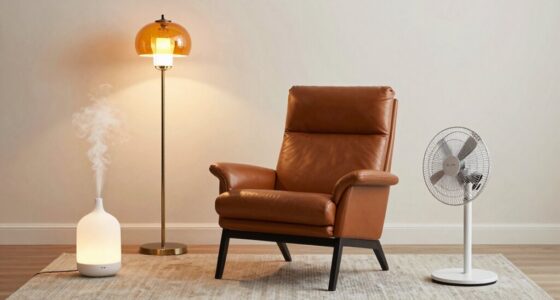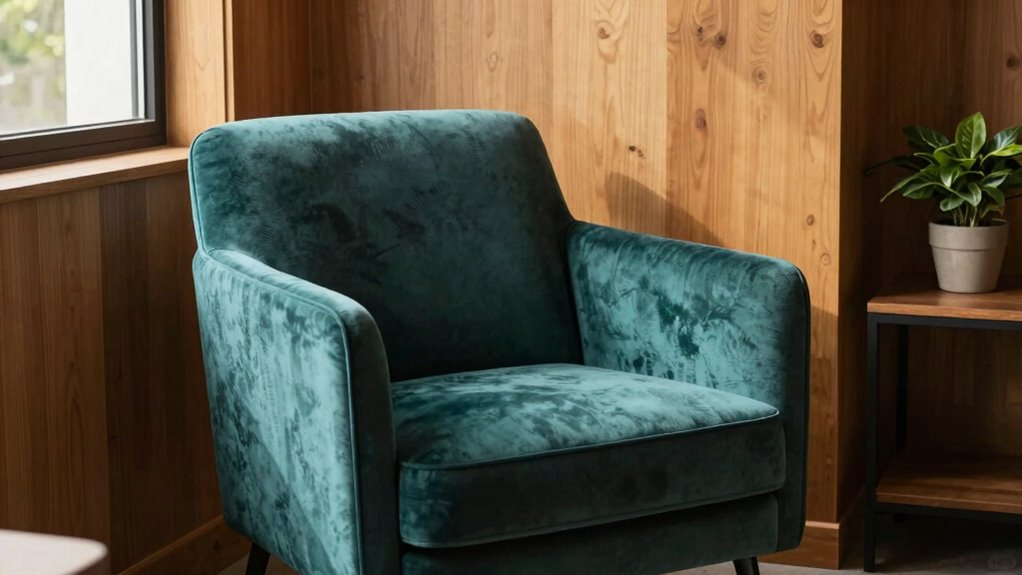

Corner placement works for some chairs when it enhances comfort, aesthetic balance, and space flow, especially if it complements your room’s style and focal points. It can create cozy, inviting corners or optimize large spaces. However, it fails if it disrupts movement, feels visually heavy, or clashes with the overall design. Proper positioning is key for harmony. Keep exploring, and you’ll discover how to make every corner work to improve your room’s feel and function.

Get wellness gear delivered free with Prime
- Fast, free delivery on millions of items
- Prime Video, Amazon Music and more included
- Member-only deals all year
Key Takeaways
- The size and proportions of the chair influence its suitability for corner placement.
- Chairs with a streamlined design blend better in corners than bulky, heavy pieces.
- Proper orientation toward focal points enhances the visual harmony of corner placement.
- Corner placement works when it complements the room’s layout, flow, and existing furniture.
- Mismatched styles or improper sizing can disrupt balance, causing corner placement to fail.

Choosing the right spot for a chair can considerably impact both its comfort and aesthetic appeal, but corner placement isn’t always the answer. When you position a chair in a corner, you’re engaging in a strategic play with spatial dynamics. A corner can create a cozy nook, making the space feel intimate and inviting. However, if not done thoughtfully, it can also make the room seem cramped or disjointed. The key lies in understanding how the chair interacts with its surroundings and maintaining an aesthetic balance that enhances the room’s overall harmony.
In terms of spatial dynamics, placing a chair in the corner can either optimize the available space or hinder flow. If the room is large, a corner might help fill an awkward gap, anchoring the furniture and creating a designated area for relaxation. Conversely, in a smaller or more open space, a corner placement might disrupt the visual flow, making the room feel segmented or cluttered. You need to assess how the chair’s position influences movement throughout the room, ensuring it doesn’t block pathways or create a barrier. When done correctly, corner placement can define a specific zone without overwhelming the space, but misjudging this can lead to a feeling of imbalance. Additionally, considering the visual weight of the furniture can help maintain harmony and prevent the space from feeling lopsided.
Aesthetic balance is another crucial factor. When you place a chair in the corner, it should complement the room’s design rather than compete with it. Consider the proportions of the chair relative to the surrounding furniture and the room’s overall style. A bulky armchair in a small corner might dominate the space, disrupting visual harmony, while a sleek, minimalist piece could seamlessly blend in. Additionally, the orientation of the chair matters. Facing the room or toward a focal point, like a fireplace or window, can enhance the aesthetic appeal, making the corner feel intentional rather than accidental. Properly balancing color, texture, and scale ensures that the corner furniture feels cohesive within the room’s design scheme. Moreover, incorporating lighting can further emphasize the space, making it inviting and well-defined.
Ultimately, corner placement works best when you’re mindful of how it influences both the spatial dynamics and aesthetic balance. It’s about creating a seamless flow that invites conversation and comfort without sacrificing visual harmony. If you carefully consider the room’s layout, scale, and purpose, the corner can become a strategic choice that elevates your space rather than detracts from it. When you get it right, your furniture arrangement feels natural and thoughtfully curated, turning corners into comfortable, stylish retreats.
Products Worth Considering

Blueair Blue Signature SP4i Air Purifier for Large Rooms

Blueair Blue Pure 211i Max Air Purifier for Large Rooms

Fitbit Edge Activity Tracker – Silver/Fog – Small & Large Bands
As an affiliate, we earn on qualifying purchases.
Frequently Asked Questions
How Do Room Size and Shape Affect Corner Placement?
Room size and shape considerably influence corner placement because they impact spatial dynamics and visual balance. In a large room, placing a chair in the corner can make the space feel cozy and well-defined, while in a small room, it might crowd the area or disrupt balance. Irregularly shaped rooms may require careful positioning to avoid awkward angles, ensuring the corner placement enhances flow rather than disrupts it.
What Materials Make Chairs More Suitable for Corner Placement?
You should choose chairs with durable fabrics like leather or tightly woven textiles for corner placement, as they withstand more wear and tear. Opt for armrest designs that are sturdy and streamlined, making the chair more stable and less prone to damage. These materials and features guarantee your corner chair remains attractive and functional over time, even in high-traffic areas, providing lasting comfort and style.
How Does Lighting Influence Corner Chair Placement Choices?
Lighting acts as the painter’s brush, shaping your corner’s mood. An ambient glow can soften sharp angles, making a chair feel inviting, while natural light highlights its best features, creating harmony. You’ll want to contemplate how different lighting sources influence the space—warm, diffuse light can make a corner welcoming, but harsh sunlight might overshadow or wash out your chair’s details. Adjust lighting to craft the perfect cozy nook.
Are There Specific Chair Designs That Always Succeed in Corners?
Certain chair designs, especially those with sleek lines and ergonomic features, always succeed in corners. You’ll find that chairs emphasizing ergonomics provide comfort, making them ideal for tight spaces, while their aesthetic harmony enhances room flow. Look for models with clean proportions and minimal bulk, as these fit seamlessly into corners. Your goal should be to choose chairs that balance ergonomic support with visual appeal, ensuring they suit the space perfectly.
How Can I Modify a Chair to Improve Corner Placement Stability?
Did you know that 65% of furniture rearrangements lead to improved stability when chairs are modified? To enhance your chair’s corner placement stability, consider adding extra cushion padding to the seat and backrest for better weight distribution. Also, redesign the armrests to be broader or lower, which can provide extra support and prevent tipping. These tweaks make your chair more balanced and secure in tight corner spaces.
Conclusion
Ultimately, the success of corner placement depends on understanding your space, choosing the right chair, and balancing function with style. When you consider size, shape, and purpose, you optimize comfort, enhance flow, and create harmony. If you pay attention to details, adapt to your environment, and prioritize both aesthetics and practicality, you turn a simple corner into a functional, inviting corner. Because when placement aligns with intention, your space truly comes alive.