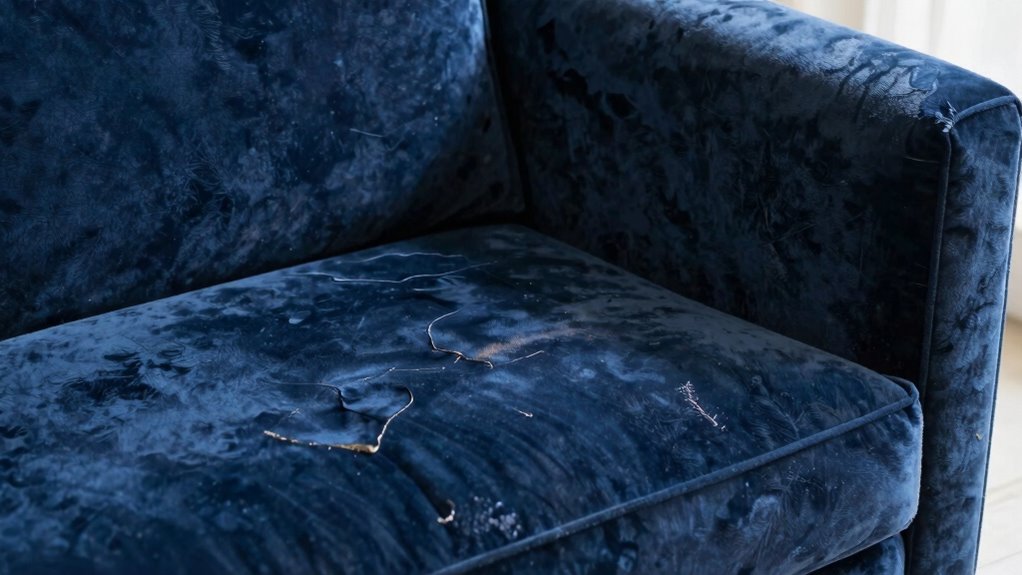
The fastest way to shorten your upholstery’s lifespan is using improper cleaning methods or products. For example, applying harsh chemicals or scrubbing with abrasive tools can cause fading, pilling, or tears. Ignoring care labels and not testing small areas first can also lead to permanent damage. To protect your furniture, always choose suitable cleaning techniques based on fabric type. Keep going to discover more tips to keep your upholstery looking new longer.

Get wellness gear delivered free — and shop member deals
- Fast, free delivery on millions of items
- Access to Prime Big Deal Days deals on October 6–7
- Prime Video, Amazon Music and more included
Key Takeaways
- Using harsh chemicals or strong solvents can weaken fabric fibers and cause permanent damage.
- Over-wetting upholstery with excessive moisture accelerates fabric deterioration and promotes mold growth.
- Ignoring fabric care labels and cleaning with unsuitable methods leads to fading and tearing.
- Neglecting regular vacuuming allows dirt and dust to embed, weakening fibers over time.
- Rushing cleaning processes or skipping spot tests can cause unforeseen damage to delicate fabrics.
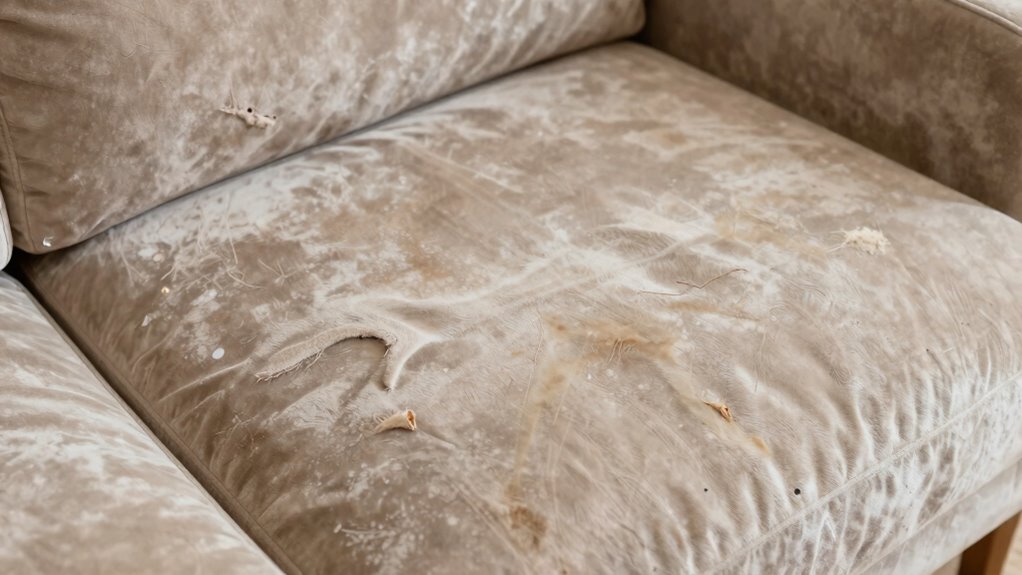
Cleaning your upholstery might seem straightforward, but some common mistakes can actually shorten its lifespan. One of the biggest errors people make is ignoring the importance of understanding fabric types. Not all fabrics respond the same way to cleaning methods. For instance, delicate materials like silk or velvet require gentle, specialized cleaning, while sturdier fabrics like microfiber or polyester can handle more robust methods. Using the wrong cleaning products or techniques on the wrong fabric can cause fading, pilling, or even tears. Before you start cleaning, always check the care label to identify your fabric type and follow recommended procedures. If you’re unsure, testing a small, inconspicuous area first helps prevent costly damage. Additionally, understanding fabric care labels can significantly improve your cleaning results and protect your furniture’s longevity.
Understanding your fabric type is essential to avoid damage and prolong your upholstery’s lifespan.
Another mistake that accelerates wear and tear is neglecting a proper cleaning schedule. Many people either clean their upholstery too infrequently or too often. Skipping regular cleaning allows dirt, dust, and allergens to settle deeply into the fabric, weakening fibers over time and dulling the appearance of your furniture. Conversely, over-cleaning—especially using harsh chemicals or excessive moisture—can also harm fabrics, causing fibers to break down faster or leading to mold and mildew growth. To avoid this, you should establish a realistic cleaning schedule based on your fabric type and usage. For high-traffic areas, vacuum weekly and perform deeper cleanings every six to twelve months. For less-used pieces, less frequent cleaning may suffice. Proper cleaning techniques play a crucial role in maintaining fabric integrity and appearance over time. Regularly vacuuming upholstery helps remove loose dirt and dust before they embed deeper into fibers, extending the life of your furniture. Incorporating preventive measures, such as using slipcovers or applying fabric protectors, can also help preserve your upholstery and reduce cleaning frequency.
The one critical mistake many overlook is failing to adapt their cleaning routine to the specific needs of their upholstery. Some fabrics require specialized cleaning methods, like dry cleaning or steam cleaning, while others respond better to spot cleaning with mild solutions. Ignoring these distinctions results in damage that shortens the lifespan of your furniture. Additionally, using inappropriate cleaning tools or products—like abrasive brushes or strong solvents—can leave permanent marks or weaken fibers. Proper maintenance involves understanding your fabric type, sticking to an appropriate cleaning schedule, and choosing suitable cleaning methods and products. Regularly consulting professional cleaning services can help you avoid these common pitfalls and ensure your furniture stays in top condition longer.
In essence, the key to preserving your upholstery’s life is paying attention to its fabric type and sticking to a tailored cleaning schedule. Avoid the temptation to rush or use generic cleaning solutions, and always research or consult professionals if you’re unsure. By doing so, you’ll keep your furniture looking fresh and new longer, saving you money and frustration in the long run.
upholstery fabric cleaner for delicate fabrics
As an affiliate, we earn on qualifying purchases.
As an affiliate, we earn on qualifying purchases.
Frequently Asked Questions
How Often Should I Professionally Clean My Upholstery?
You should have your upholstery professionally cleaned every 12 to 18 months to maintain fabric durability. Regular cleaning helps prevent dirt buildup, which can wear down fibers faster. If you have pets, kids, or allergies, consider cleaning more often—every 6 to 12 months. Proper cleaning frequency preserves your furniture’s appearance and extends its lifespan, avoiding the common mistake of over- or under-cleaning that can damage upholstery over time.
Are DIY Cleaning Solutions Safe for All Fabric Types?
Imagine using a harsh cleaning agent on delicate silk upholstery—you risk damage and discoloration. DIY cleaning solutions aren’t safe for all fabric types because of varying fabric compatibility. Always check labels and test a small, hidden area first. Some cleaning agents work well on sturdy fabrics like cotton but can harm sensitive materials. When in doubt, consult a professional to avoid costly mistakes that could shorten your upholstery’s lifespan.
Can Sunlight Damage My Upholstery Over Time?
Yes, sunlight can damage your upholstery over time. Prolonged exposure causes sunlight damage, leading to upholstery fading and weakening fabric fibers. To protect your furniture, avoid placing it in direct sunlight or use curtains and blinds to block UV rays. Regularly rotating cushions and applying UV-protective sprays can also help prevent upholstery fading, keeping your furniture looking fresh and vibrant longer.
What Are Warning Signs of Upholstery Wear and Tear?
You’ll notice warning signs like fabric deterioration, where fibers weaken or fray, and color fading, which makes your upholstery look dull or uneven. Worn spots may feel rough or thin, indicating structural damage. If you see these signs, it’s a clear sign to take action, like deep cleaning or professional repair, to prevent further damage. Addressing these issues early helps prolong your furniture’s lifespan and keeps it looking fresh.
How Do I Prevent Future Cleaning Mistakes?
Did you know that using wrong cleaning methods can reduce your upholstery’s lifespan by up to 50%? To prevent future cleaning mistakes, avoid common cleaning myths that could harm your furniture. Instead, focus on stain prevention by acting quickly and using proper cleaning products. Regularly vacuum and test any cleaning solution on a hidden area first. This way, you protect your upholstery’s appearance and extend its life.
upholstery vacuum cleaner with adjustable settings
As an affiliate, we earn on qualifying purchases.
As an affiliate, we earn on qualifying purchases.
Conclusion
Think of your upholstery as a delicate garden. When you overwater or neglect to prune, the plants suffer, losing their vibrancy and lifespan. Similarly, making common cleaning mistakes can slowly sap the life from your furniture. By caring for it wisely—using gentle methods and proper techniques—you nurture your upholstery, allowing it to flourish longer. Treat your furniture with the same patience and care as a treasured garden, and it’ll reward you with lasting beauty.
fabric protector spray for furniture
As an affiliate, we earn on qualifying purchases.
As an affiliate, we earn on qualifying purchases.
As an affiliate, we earn on qualifying purchases.
Fall Picks
fall essentials
As an affiliate, we earn on qualifying purchases.