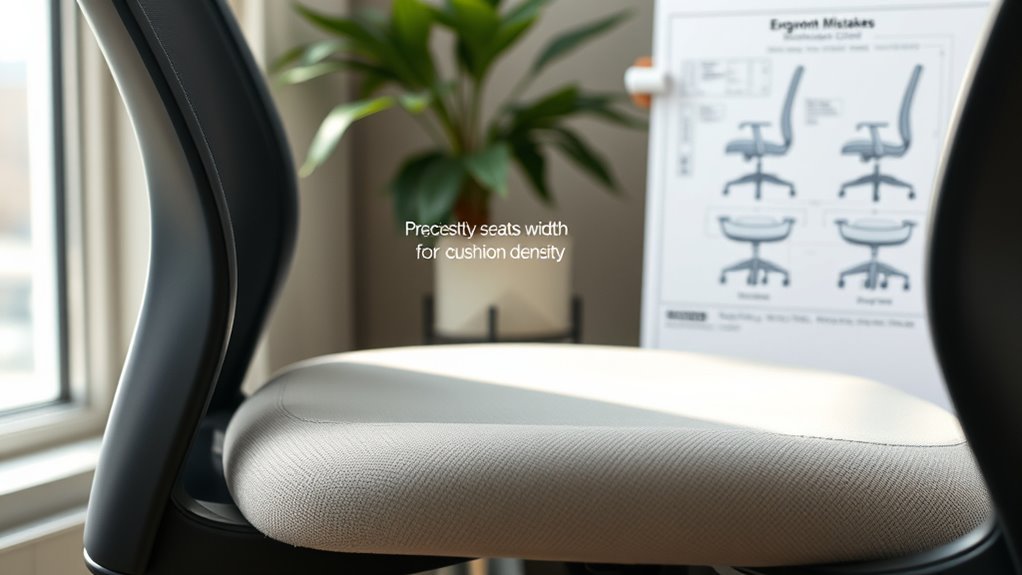

To avoid common mistakes in seat width and cushion density planning, you should consider user diversity, proper measurements, and suitable materials. Don’t overlook long-term durability or user support to guarantee comfort and safety. Focus on ergonomic design that balances aesthetics with function, and prioritize accessibility for all users. Recognizing these key points helps create inclusive, durable, and comfortable seating solutions. Keep exploring to learn how to implement these essential planning strategies effectively.
Key Takeaways
- Consider user diversity and accessibility to ensure inclusive, comfortable seating for all body types.
- Accurately measure seat width and choose appropriate cushion density to optimize support and comfort.
- Prioritize ergonomic design to promote long-term health, proper posture, and user safety.
- Use durable materials and plan for wear and tear to enhance longevity and reduce replacement costs.
- Incorporate accessibility features and inclusive design to improve user satisfaction and comply with standards.
Ignoring User Size Diversity

Ignoring user size diversity can lead to uncomfortable and ineffective seating solutions. When selecting materials, you must consider their durability and comfort across different user sizes. A one-size-fits-all approach may compromise aesthetic appeal, making seats look awkward or out of proportion for larger or smaller users. By focusing solely on a narrow size range, you risk creating environments that feel uninviting or inaccessible. Proper material selection can enhance both comfort and visual appeal, ensuring seats accommodate a variety of body types without sacrificing style. Addressing user diversity from the start allows you to design flexible, attractive seating that appeals to everyone. Additionally, understanding seat width and cushion density can help optimize comfort and usability. Ignoring these factors can result in dissatisfaction and a lack of inclusivity, undermining your overall seating plan.
Overlooking Proper Seat Width Measurement
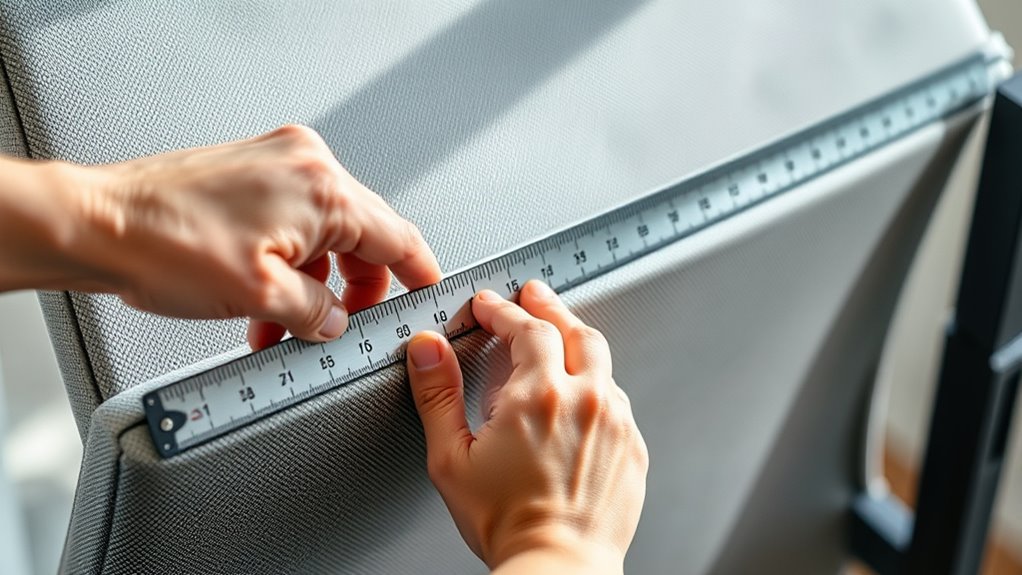
Failing to measure seat width accurately can lead to uncomfortable seating experiences and compromised functionality. If your seat is too narrow, you’ll feel cramped, restricted, and frustrated. Too wide, and you risk instability, wasted space, or difficulty in supporting proper posture. Poor measurements affect cushion density choices, making the seat either too firm or too soft for comfort. Additionally, incorrect measurements can undermine the benefits of eye patch treatments, which rely on proper skincare application for optimal results. Consider these emotional impacts: – *Feeling confined* instead of comfortable – *Struggling with stability* and balance – *Wasting resources* on ill-fitting cushions – *Experiencing persistent discomfort* daily Getting the seat width right ensures your cushion density provides essential support, comfort, and durability. Accurate measurement transforms your seating experience, preventing unnecessary discomfort and ensuring long-term satisfaction. Don’t overlook this vital step—it’s key to perfect seating.
Using Inappropriate Cushion Density for Intended Use
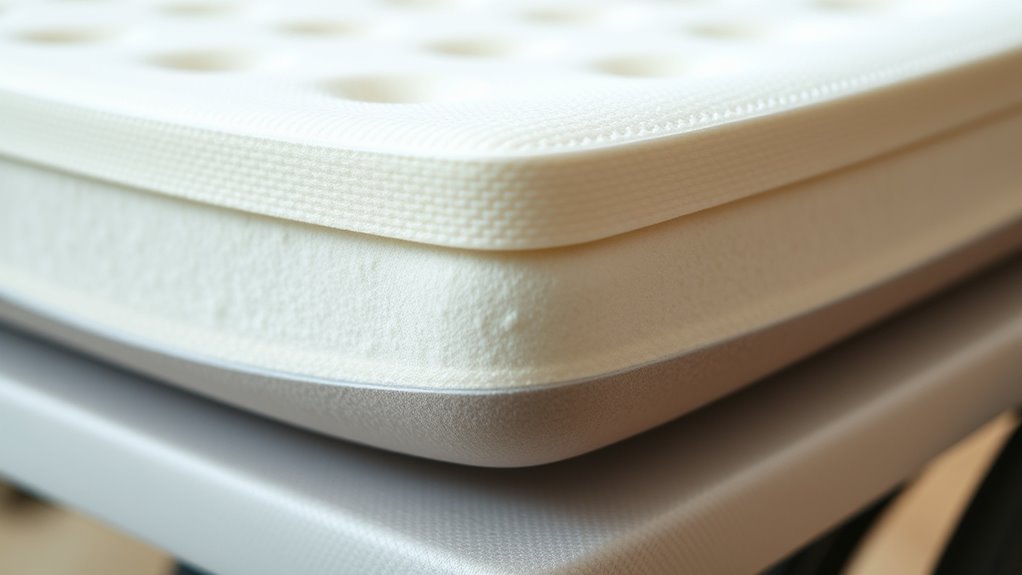
Choosing the wrong cushion density can lead to discomfort that doesn’t match your expectations. If the cushion is too firm or too soft for your needs, it can cause unnecessary pressure points. This mismatch not only affects comfort but also increases the risk of injury over time. Incorporating protective styling benefits into your planning can help ensure your seating choice supports both comfort and health.
Misaligned Comfort Expectations
When the cushion density doesn’t match the intended use, it can lead to mismatched comfort expectations. You might think a firm cushion will provide support, but ergonomic testing and user feedback often reveal discomfort or pressure points. Conversely, overly soft cushions can cause instability, making sitting feel unsafe. This mismatch leaves users frustrated, feeling ignored or misunderstood. Additionally, selecting the appropriate cushion density can be influenced by the hybrid bike’s versatility, ensuring comfort across different terrains and riding styles. Feel disillusioned when your expectations aren’t met, experience discomfort that worsens over time, lose trust in your seating choices, and feel overwhelmed by constant adjustments and dissatisfaction. Getting the cushion density right is essential to prevent these issues. By aligning cushion firmness with user needs through ergonomic testing and listening to feedback, you ensure comfort that genuinely matches expectations, avoiding frustration and dissatisfaction.
Increased Injury Risk
Using an inappropriate cushion density for your intended activity can substantially increase the risk of injury. If your cushion is too firm or too soft, it hampers proper seat adjustment and can cause discomfort or pressure points. Poor material selection may lead to inadequate shock absorption or excessive pressure on sensitive areas, raising injury risks over time. For example, selecting a dense cushion for pressure relief can restrict blood flow, while a too-soft cushion may not provide enough support, leading to misalignment and strain. Ensuring the right cushion density aligns with your activity and body needs is essential. Proper seat adjustment, combined with suitable material selection, helps distribute pressure evenly and reduces risks of musculoskeletal issues or discomfort during prolonged use. Additionally, understanding the impact of material choices on comfort and safety can help prevent long-term injuries.
Neglecting Postural Support and Comfort
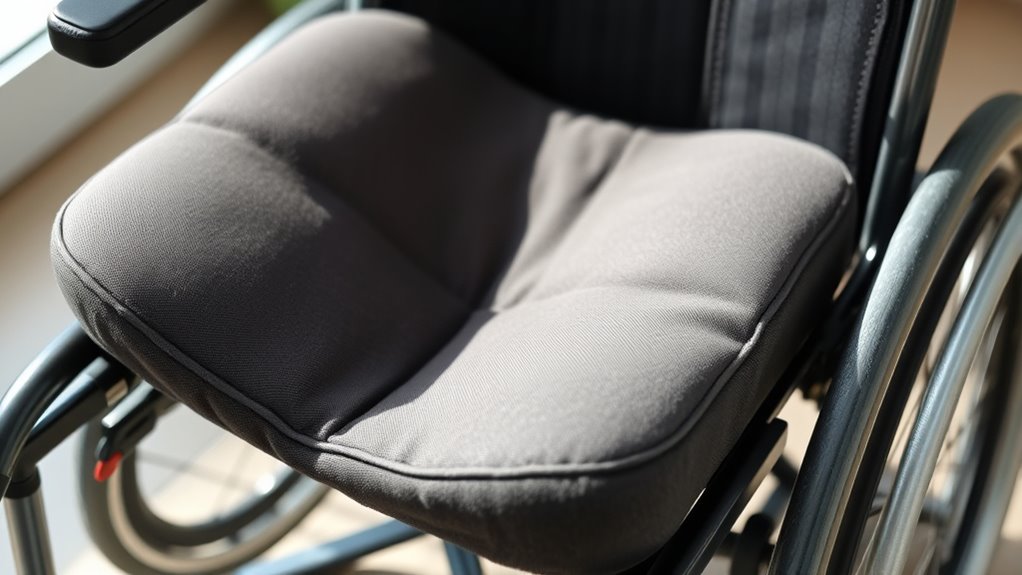
Neglecting postural support and comfort can lead to significant issues for users, even if the seat dimensions are technically correct. Without proper support, your users may experience discomfort, fatigue, or pain, which affects their overall well-being. Failing to prioritize postural alignment can cause long-term health problems, such as spinal strain or pressure sores. The choice of cushion material plays a vital role in ensuring comfort and support throughout the day. When these elements are overlooked, users feel unstable and neglected, diminishing their experience and safety. Additionally, emotional support can be crucial in helping users adapt to new seating arrangements and overcome discomfort.
Failing to Consider Long-Term Durability and Wear
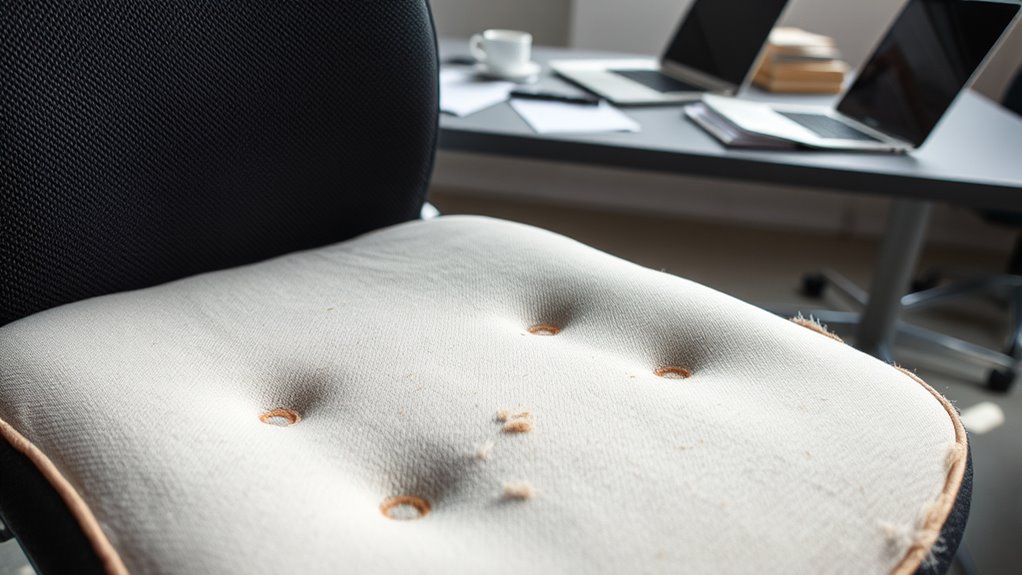
Even if your seat provides excellent support and comfort initially, overlooking long-term durability can lead to costly problems down the line. Material fatigue causes cushions and frames to weaken over time, reducing support and increasing discomfort. Surface degradation, such as cracking or peeling, diminishes the seat’s appearance and safety. If you don’t consider how materials will wear with regular use, you risk investing in a seat that falls apart prematurely. Choosing high-quality, durable materials and understanding their longevity helps prevent these issues. Regular maintenance and thoughtful material selection ensure your seat maintains its integrity longer. Additionally, selecting robust paint and finish options can help resist cracking and peeling, extending the lifespan of your furniture. Failing to plan for long-term wear can lead to early replacement, added expenses, and compromised comfort, defeating the purpose of your initial investment.
Relying Solely on Aesthetics Over Ergonomics
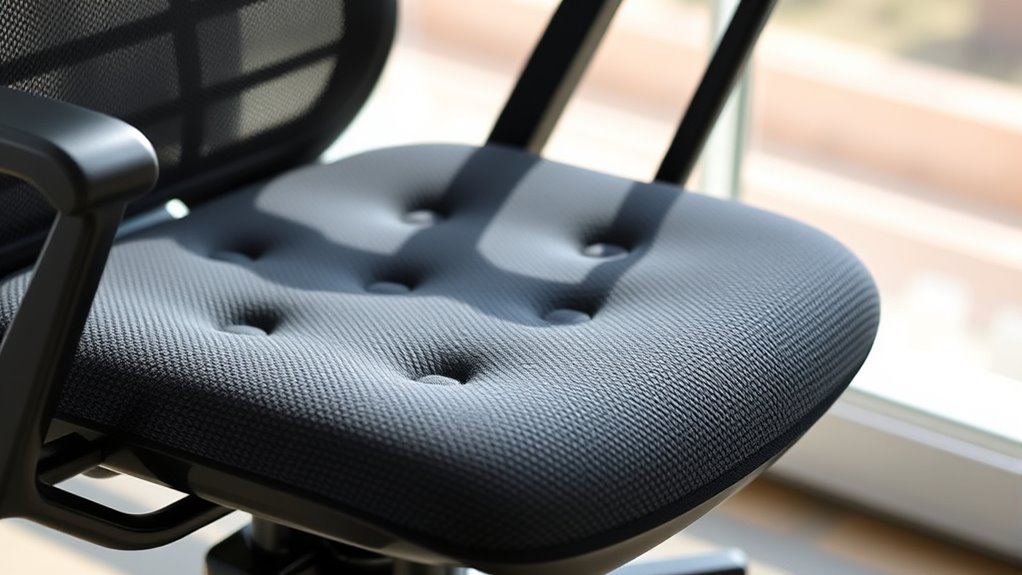
When you prioritize aesthetics over ergonomics, you might create a seat that looks good but isn’t comfortable or supportive. This imbalance can lead to long-term health risks, like back pain or poor posture. It’s crucial to find a balance between design and comfort to guarantee both style and well-being. Incorporating functional design principles can help ensure your seating is both attractive and supportive.
Design vs. Comfort Balance
Designing chairs that prioritize aesthetics over ergonomics often leads to a tempting but flawed approach: sacrificing comfort to create visually striking pieces. While a stunning design catches the eye, neglecting ergonomic principles can cause discomfort and fatigue. Striking a balance means ensuring the chair’s visual appeal doesn’t compromise its support and functionality. Ignoring comfort may seem temporary, but it impacts user satisfaction and health over time. When aesthetics override ergonomics, you risk creating furniture that looks good but fails in real-world use.
- Feel the disappointment of an uncomfortable seat after just minutes
- Lose confidence in your space’s design integrity
- Overlook the importance of supporting long-term health
- Sacrifice user satisfaction for fleeting visual appeal
Prioritizing comfort in furniture design is essential to ensure both beauty and functionality are achieved in your space.
Long-term Health Risks
Relying solely on aesthetics over ergonomics can lead to serious long-term health issues. Ignoring ergonomic principles in seat design may cause poor posture, back pain, and repetitive strain injuries over time. When material selection prioritizes looks rather than support and breathability, your comfort and spinal health suffer. Without considering ergonomic principles, you risk developing musculoskeletal problems that could become chronic. Long-term use of aesthetically pleasing but ergonomically inadequate seats can weaken muscles and decrease circulation, leading to fatigue and discomfort. Incorporating proper ergonomic design into your planning can significantly improve comfort and reduce health risks. To protect your health, focus on materials that support proper alignment and durability. Prioritizing ergonomic principles in your planning helps prevent future health risks, ensuring your seating remains both visually appealing and safe for long-term use.
Overlooking Accessibility and Specific User Needs

Have you considered how overlooking accessibility and specific user needs can compromise the effectiveness of seat planning? An accessibility oversight or user need neglect can lead to uncomfortable or unusable seating for certain individuals. When you ignore these factors, you risk alienating users and causing frustration. These mistakes can also result in safety hazards or health issues that could have been prevented.
- Feelings of exclusion and frustration among users
- Increased risk of injury or discomfort
- Reduced overall satisfaction and usability
- Potential legal or compliance issues
Addressing accessibility and individual requirements isn’t optional; it’s essential. By paying attention to these details, you create inclusive, comfortable spaces that truly serve everyone’s needs.
Frequently Asked Questions
How Does User Body Shape Influence Seat Width Selection?
Your body shape directly influences your ideal seat width, ensuring ergonomic support and comfort. If you have a broader or more muscular build, opt for a wider seat to accommodate your frame and enhance mobility needs. Consider cushion density for durability and pressure distribution, especially if you use the seat frequently. Proper ergonomic design tailored to your body shape helps prevent discomfort and promotes better posture and cushion longevity.
What Are the Signs of Inadequate Cushion Density Over Time?
You’ll notice signs of inadequate cushion density over time through increasing pressure sores and visible cushion compression. If your cushion becomes noticeably flattened or if pressure sores develop or worsen, it indicates the cushion isn’t providing enough support. Over time, insufficient density can lead to discomfort and skin issues. Regularly check your cushion’s shape and your skin’s condition to catch these signs early and prevent further problems.
How Can Seat Design Accommodate Users With Special Mobility Needs?
You can accommodate users with special mobility needs by designing adaptive seating that supports their unique requirements. Incorporate adjustable features for seat width, height, and cushion density to guarantee comfort and stability. Use sensory integration techniques, like textured surfaces or varied pressure zones, to enhance comfort and engagement. This approach helps users feel secure and supported, promoting independence and effective participation in daily activities.
What Environmental Factors Affect Cushion Material Longevity?
You face environmental wear every day—sunshine, moisture, and temperature swings—that accelerate material degradation. Heavy sunlight causes UV rays to break down cushion fabrics, while humidity fosters mold and mildew. Extreme temperatures make materials brittle or soft, shortening cushion lifespan. To protect your cushion, shield it from harsh weather, keep it dry, and choose durable, weather-resistant materials. This way, your cushion stays comfortable and long-lasting despite environmental challenges.
How to Balance Ergonomic Function and Visual Appeal in Seat Design?
You should prioritize ergonomic comfort by selecting shapes and materials that support proper posture while ensuring the design maintains visual harmony through balanced proportions and appealing colors. Incorporate subtle curves and consistent lines to blend functionality with aesthetics. Keep the seat visually simple yet inviting, so users feel comfortable and attracted to it. By balancing these aspects, you’ll create a seat that’s both supportive and visually pleasing.
Conclusion
By avoiding these 7 mistakes, you’ll craft seating that truly transforms comfort and support. Don’t let poor planning turn your space into a nightmare of discomfort—your users deserve nothing less than perfection. Remember, overlooking these essential details can make or break the entire experience, so pay attention and get it right. With careful planning, you can create seats so comfortable, they’ll feel like a hug from the universe itself.