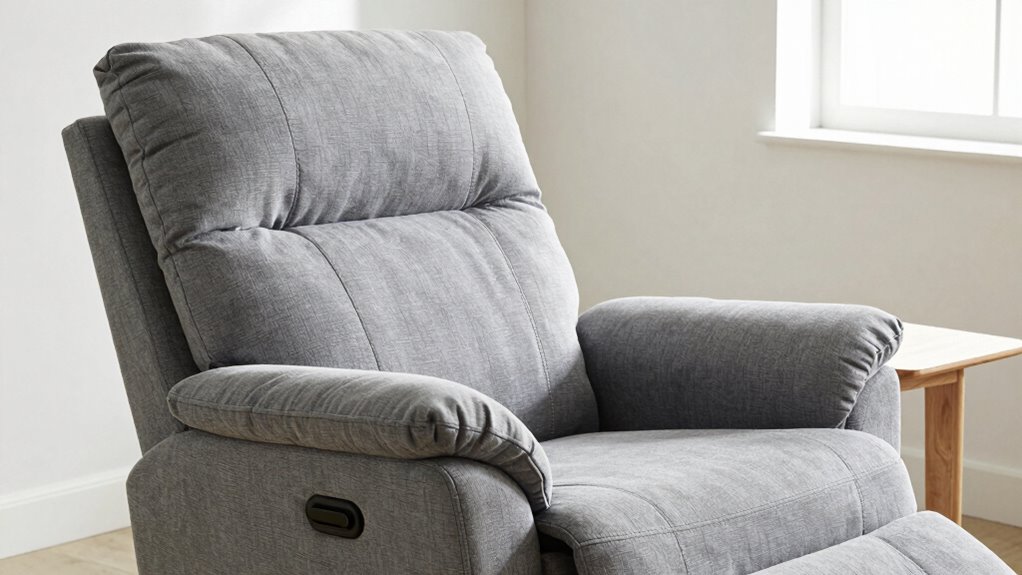
To achieve true comfort in your recliner, focus on adjusting the seat height and back angle properly. Make sure your feet rest flat on the ground and your hips are slightly higher than your knees. Set the backrest to a 100-110 degree angle to support your lower back and keep your spine aligned. Small tweaks can make a big difference—continue exploring how precise adjustments can help you sit comfortably all day.
Key Takeaways
- Adjust seat height so feet are flat on the floor, hips slightly above knees, for proper support and circulation.
- Maintain a backrest recline of about 100-110 degrees to support the lumbar curve and promote good posture.
- Ensure lumbar support aligns with the lower back’s natural curve to reduce strain during extended sitting.
- Use small adjustments in seat height and back angle to find a comfortable, ergonomic sitting position.
- Keep headrests and armrests properly aligned to support relaxed shoulders and neck, enhancing overall comfort.

FURNIMAT 2026 Massage Chair Full Body, Zero Gravity Massage Chair with 10 Fix Rollers, Airbags, Heating, Foot Massage, Auto Modes, Bluetooth Speaker, Smart Screen Controller(Upgraded Version)
[FULL BODY MASSAGE CHAIR]: After inviting hundreds of massage therapists to test and experience, we launch this upgraded...
As an affiliate, we earn on qualifying purchases.
Why Your Seat Height and Back Angle Matter for Recliner Comfort
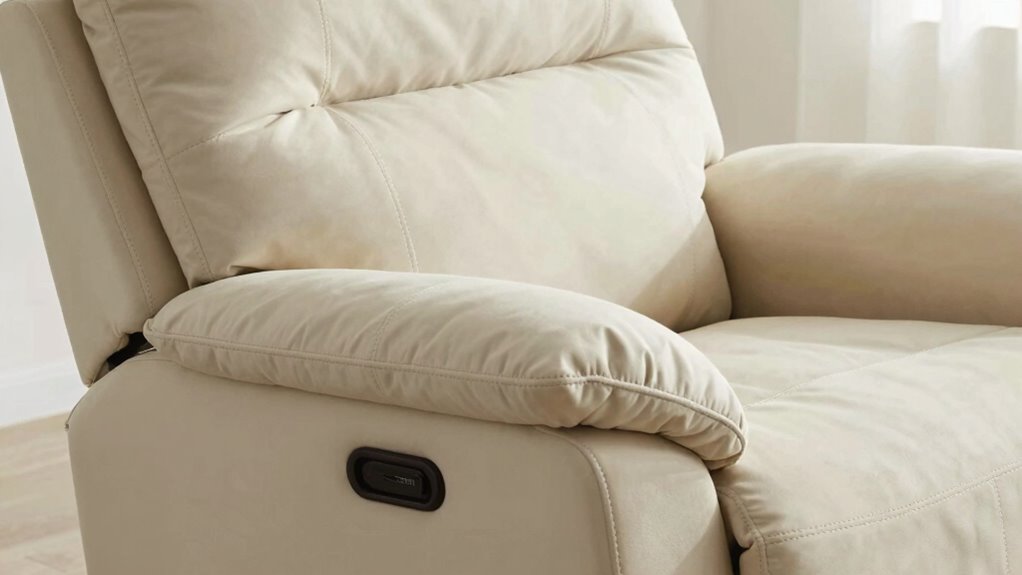
Your seat height and back angle are essential for ensuring maximum comfort in a recliner. When your seat height aligns with your leg length, you’ll experience better support and reduced pressure on your thighs. Proper cushion firmness also plays a role, providing enough support without feeling too hard or soft. An ideal back angle keeps your spine well-aligned, preventing strain and fatigue. Additionally, armrest height is critical; it should be level with your elbows when seated, easing shoulder tension. If the armrests are too high or low, your arms will strain, affecting overall comfort. Paying attention to these components—seat height, back angle, cushion firmness, and armrest height—ergonomic principles help you create a supportive, relaxing experience tailored to your body’s needs. Understanding the influence of adjustable features can further optimize your seating arrangement for prolonged comfort and health. Moreover, incorporating personalized adjustments allows for a more customized and supportive sitting posture. Ensuring proper body weight distribution across the seat can also reduce pressure points and enhance comfort during extended periods. Proper postural support is vital to prevent discomfort and promote long-term wellbeing while seated.

Massage Chair Full Body,Zero Gravity 3D SL-Track Shiatsu Massage Recliner Chair Built-in Heat System Airbag Massage with Body Scan, Deep Yoga Stretch, Calfrest Extension And Foot And Back massage
Zero Gravity & Sleep Cabin Design – One-touch zero gravity mode combined with a shading sleep cabin blocks...
As an affiliate, we earn on qualifying purchases.
How to Find Your Perfect Seat Height in a Recliner
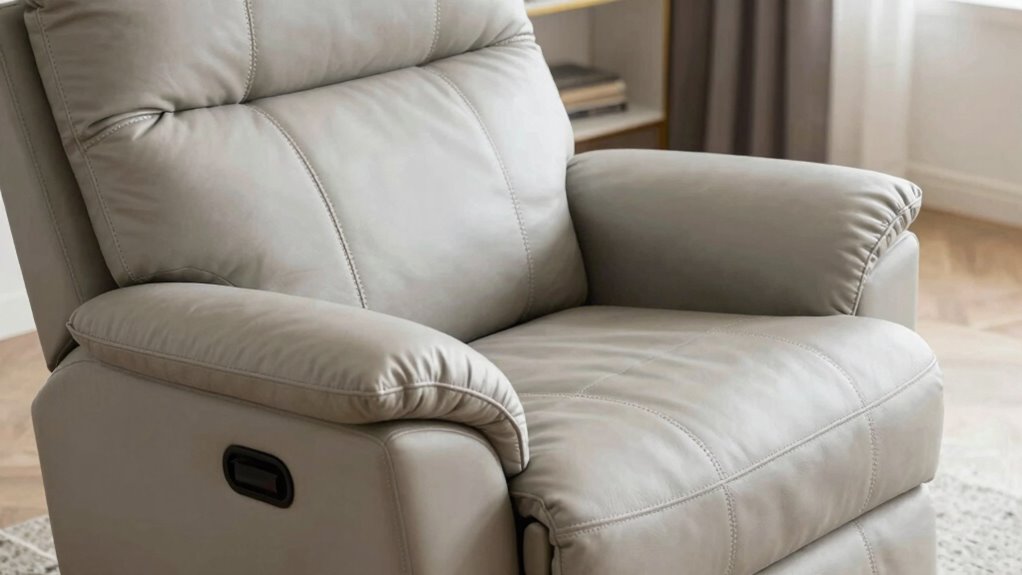
Finding the right seat height in a recliner is key to ensuring ideal comfort and support. First, sit back and check if your feet rest flat on the floor with your knees at a comfortable angle. Your lumbar support should naturally align with the curve of your lower back, reducing strain. Adjust the seat height so that your hips are slightly above your knees, promoting good posture. Pay attention to armrest positioning; your arms should rest comfortably without raising shoulders or causing strain on your neck. If the armrests are too high or low, it can affect your overall comfort and lumbar support. Proper seat height ensures your entire body is supported, making your recliner both cozy and ergonomic.

TLIFE Massage Chair Full Body, 160°Zero Gravity Recliner with Body Scan, 50" SL-Track Shiatsu Massage Chair, Fixed Point Massage, Foot Rollers, 12 Auto Modes, Deep Yoga Stretch, Heating, Grey
Smart AI Features: Designed for various body types, the massager intelligently detects shoulder position, adjusts massage location and...
As an affiliate, we earn on qualifying purchases.
What Back Angle Supports Good Posture in Your Recliner

Maintaining a good posture in your recliner depends heavily on the back angle you choose. An ideal back angle encourages proper lumbar support and headrest positioning, preventing discomfort. To support good posture, consider these points:
- Keep the backrest at a slight recline—about 100-110 degrees—so your lumbar spine remains supported without slouching.
- Adjust the lumbar support to fill the curve of your lower back, reducing strain and promoting alignment.
- Position your headrest so that your head stays upright and relaxed, supporting your neck naturally. Proper headrest placement is essential for neck support and overall comfort.
- Staying aware of ergonomic principles can help you optimize your recliner settings for maximum comfort and support. Incorporating adjustable features allows for personalized positioning tailored to your needs.
- Remember that personal comfort varies between individuals, so take the time to find the back angle that feels most supportive for your body. Being mindful of body mechanics can further enhance your sitting experience. A well-chosen back angle ensures your spine stays properly aligned, minimizing fatigue and discomfort during extended sitting. Prioritize these adjustments to maintain comfort and good posture in your recliner.
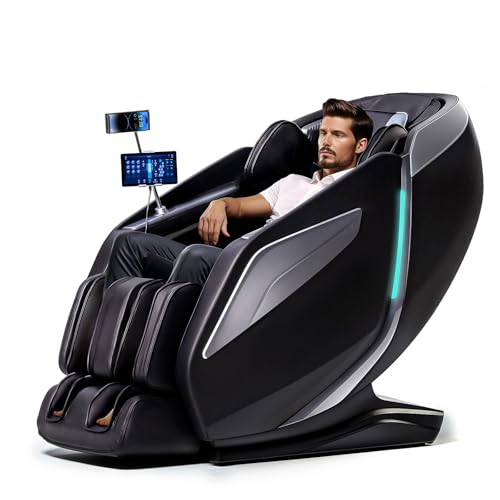
HealthRelife 4D Massage Chair Full Body Zero Gravity Recliner - 55“ SL-Track,15 Auto Modes,11 Massage Technique,40 Airbags Massage,with Yoga Stretch,APP Control,Shiatsu Foot Massage(Black)
【Full Body Airbags Massage】 40 Airbags are strategically positioned from the shoulder to the foot. They apply rhythmic...
As an affiliate, we earn on qualifying purchases.
Common Mistakes That Make Reclining Uncomfortable
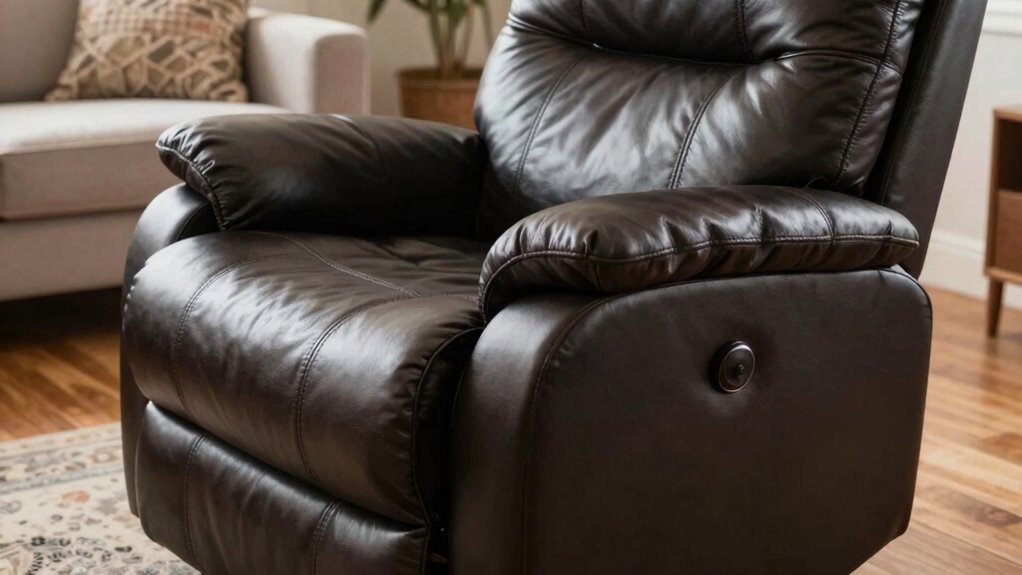
Poor posture habits and incorrect seat adjustments can quickly turn a relaxing recliner into an uncomfortable experience. If you don’t sit properly or adjust your seat correctly, you might feel strained or develop aches. Recognizing these mistakes helps you enjoy better comfort and support. Incorporating ergonomic principles into your chair setup can significantly improve your sitting experience. Additionally, understanding seat height adjustments and back angle settings ensures optimal alignment and reduces discomfort during extended use. Paying attention to lumbar support can further enhance comfort and promote spinal health during long periods of sitting. Being aware of proper alignment can help prevent long-term musculoskeletal issues and improve overall comfort. Ensuring your ergonomic setup is tailored to your body can lead to sustained comfort and prevent fatigue over time.
Poor Posture Habits
Many people unknowingly adopt posture habits that make reclining uncomfortable, such as slouching or leaning too far back without proper support. This can lead to neck strain and poor lumbar support, making relaxation a chore. To improve, avoid these common mistakes:
- Slouching forward or backward, which strains your neck and reduces lumbar support.
- Ignoring the importance of maintaining natural spinal curves, leading to discomfort over time.
- Leaving your head and neck unsupported, causing unnecessary tension and strain.
- Not adjusting your seat height and back angle to align with ergonomic standards for optimal comfort seat height and back angle. Additionally, being aware of ergonomic principles can help you optimize your recliner setup for lasting comfort.
Incorrect Seat Adjustments
Incorrect seat adjustments are a common cause of discomfort when reclining, often resulting from failing to set the chair properly for your body. If your seat cushion is too high or low, it can put unnecessary pressure on your thighs or prevent your feet from resting flat on the floor. Similarly, neglecting proper lumbar support can lead to lower back pain and poor posture. Make sure your seat cushion supports your hips comfortably, keeping your knees at a right angle. Adjust the back angle so that your lumbar support aligns with your lower back’s natural curve, providing adequate support. Avoid slouching or leaning too far back, as these mistakes can strain your muscles and reduce comfort. Proper adjustments are key to making your recliner truly comfortable. Additionally, understanding ergonomic principles can help you fine-tune your recliner for optimal comfort and support, ensuring you maintain healthy posture during extended periods of sitting. For example, using correct seat height can significantly improve comfort and reduce fatigue. Incorporating proper back angle adjustments can further enhance overall sitting comfort and prevent strain.
How to Adjust Your Recliner’s Seat and Back for Maximum Comfort
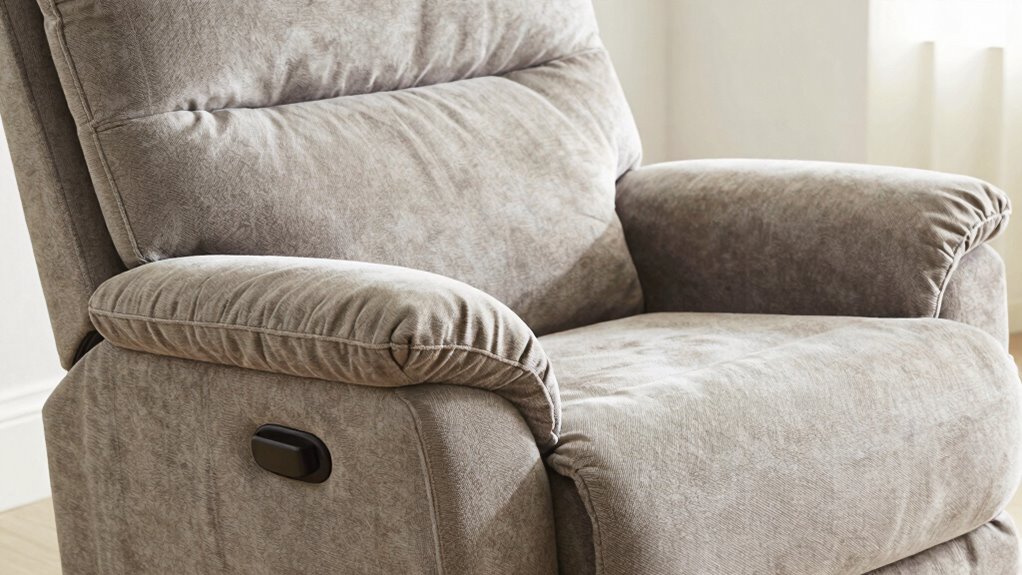
To find your most comfortable position, start by adjusting the seat height so your feet rest flat on the ground. Then, set the back angle to support your lower back and promote good posture. Making these small adjustments can considerably improve your overall comfort while sitting. Additionally, paying attention to ergonomic principles can help prevent discomfort and ensure proper alignment during extended periods of sitting. Incorporating nanotechnology-based materials into furniture design could further enhance ergonomic support and durability over time. Understanding power tools and heavy‑duty equipment can also contribute to safer and more efficient adjustments or upgrades to your furniture or workspace.
Adjust Seat Height
Adjusting your recliner’s seat height is essential for achieving ideal comfort and proper posture. When you set the right height, your feet rest flat on the foot support, reducing strain and improving circulation. To do this:
- Raise or lower the seat until your feet comfortably touch the foot support without dangling.
- Ensure your knees are slightly below or at hip level for natural alignment.
- Adjust the armrest height to support your arms comfortably, preventing shoulder tension.
Proper seat height also helps maintain a straight back and supports your lower spine. Remember, a seat too high can cause your feet to hang, while too low may cause pressure on your thighs. Find the perfect balance for maximum comfort and ergonomic support.
Set Back Angle
Ever wondered how the perfect back angle can enhance your comfort? Adjusting your recliner’s set back angle is key. A proper angle provides lumbar support, reducing strain on your lower back. Lean back slowly until you find a position that feels natural and supportive. Make sure your lumbar region maintains contact with the chair’s support to prevent soreness. Also, consider armrest positioning; your arms should rest comfortably without hunching or reaching forward. If your armrests are adjustable, set them so your shoulders stay relaxed. Finding the right back angle encourages better posture and relieves pressure points, making long periods of sitting more comfortable. Experiment with small adjustments until you discover the excellent position that supports your back and arms seamlessly.
When to Get Professional Help for Recliner Ergonomics
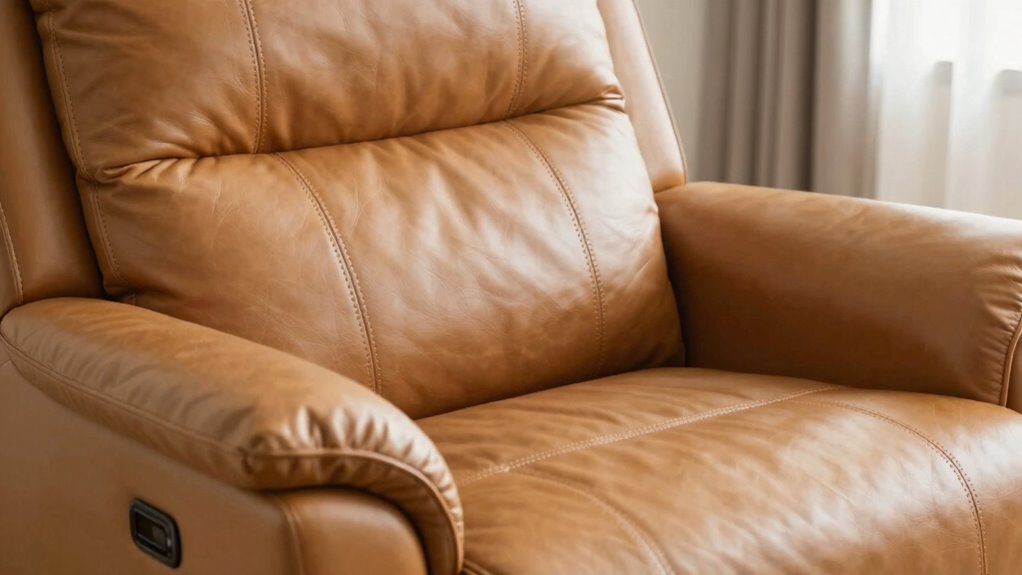
If you notice persistent discomfort, numbness, or pain after trying to optimize your recliner, it’s time to seek professional help. An expert can assess your posture, material selection, and overall setup to identify issues you might overlook. Consider consulting a specialist if:
- You experience ongoing soreness despite adjusting seat height or back angle.
- Your recliner’s material causes skin irritation or discomfort.
- Your home decor or furniture choices limit ergonomic adjustments, making professional guidance essential.
A professional can recommend tailored solutions, from selecting the right materials to ensuring your recliner fits your body perfectly. This personalized approach helps prevent long-term issues and improves your comfort, making your recliner a truly supportive piece of your home decor.
Frequently Asked Questions
How Often Should I Readjust My Recliner for Optimal Comfort?
You should readjust your recliner as needed, ideally every few days or whenever you notice discomfort. Regular adjustment helps optimize comfort by maintaining proper seat height and back angle alignment with your body. Don’t wait until discomfort worsens—make small tweaks regularly to make certain your recliner continues to support you well. Consistent adjustment frequency is key to comfort optimization, keeping you relaxed and preventing strain during long periods of sitting.
Are There Specific Recliner Features That Enhance Ergonomic Support?
Yes, specific recliner features can boost ergonomic support. Look for lumbar support that contours to your lower back, reducing strain during long sits. A well-designed headrest with adjustable height and angle keeps your neck aligned and prevents tension. These features work together to promote better posture, reduce discomfort, and enhance your overall sitting experience, making your recliner not just comfortable but also supportive for extended use.
Can My Existing Recliner Be Modified for Better Ergonomics?
Did you know that adjustable features can improve your comfort by up to 30%? You can modify your existing recliner for better ergonomics by adding ergonomic upgrades like lumbar support cushions or adjustable headrests. Consider recliner modifications such as replacing or customizing armrests and installing seat height adjusters. These upgrades help align your body properly, reduce strain, and make your recliner much more supportive and comfortable for everyday use.
What Is the Ideal Weight Capacity for Ergonomic Recliners?
You should look for an ergonomic recliner with a weight capacity of at least 250 pounds, but ideally around 300 pounds or more for added durability. This ensures the chair’s structural durability and safety, supporting your weight comfortably over time. Always check the manufacturer’s specifications to confirm the weight capacity, and choose a model built with sturdy materials to prevent sagging or damage, guaranteeing long-lasting comfort.
How Do I Know if My Recliner Is Causing Long-Term Posture Issues?
You’ll notice if your recliner causes long-term posture issues through persistent discomfort, aches, or numbness. Conduct a posture assessment by checking if your back is straight and shoulders relaxed while seated. If you experience pain, consider ergonomic adjustments like changing the seat height or back angle. Regularly evaluate your sitting habits and make modifications to support proper alignment, preventing potential long-term posture problems.
Conclusion
Think of your recliner as a trusty steed—when the seat height and back angle are just right, it carries you comfortably through every moment. By tuning these settings, you create a throne that supports your body like a gentle hand, making relaxation effortless. Remember, your comfort journey is unique—adjust until it feels like an extension of you, and enjoy every ride in your personal sanctuary of rest.