A proper seat width is essential for hip comfort and good posture, but one size rarely fits everyone because individual body shapes and hip sizes vary widely. Narrow seats can squeeze hips, causing discomfort and misalignment, while wide seats might be unstable or awkward. Adjustable seats and contouring can help you find a better fit. Keep exploring ways to customize your seat for long-term comfort and support tailored to your body.
Key Takeaways
- Hip sizes vary widely, making a standard seat width often unsuitable for individual comfort and proper support.
- Proper seat fit ensures even weight distribution, reducing pressure points, discomfort, and long-term health issues.
- ‘One size fits all’ seats may cause misalignment, leading to poor posture and increased fatigue during extended sitting.
- Adjustable and contoured seats accommodate diverse body shapes, promoting better ergonomics and long-term comfort.
- Material flexibility and customizable dimensions are essential for inclusive seating that supports various hip and body types.
Why Seat Width Matters for Hip Comfort and Good Posture

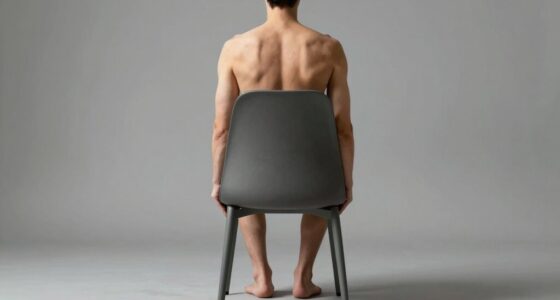
Choosing the right seat width is essential because it directly impacts your hip comfort and overall posture. When the seat is too narrow, your hips may feel squeezed, leading to discomfort and improper hip alignment. Conversely, a seat that’s too wide can cause you to sit awkwardly, forcing your hips into an unnatural position. Proper seat width promotes ergonomic posture by supporting your hips evenly and reducing strain on your lower back. It encourages a natural alignment of your hips, which helps maintain spinal health and minimizes fatigue. When your hips are correctly supported, you’re more likely to sit comfortably for longer periods, reducing the risk of aches and pains. Ultimately, the right seat width ensures your hips stay in a healthy, supported position, promoting comfort and better posture.
How Do Hip Sizes Vary, and What Does That Mean for Seating?

Hip sizes vary widely among individuals, affecting how comfortably you can sit and how well a seat supports your body. Variations in hip symmetry mean your hips may be uneven, influencing balance and pressure points. Pelvis tilt also plays a role; a forward or backward tilt can change the effective width of your hips and alter how a seat fits. If your hips are wider or narrower than average, standard chairs may cause discomfort or poor posture. Understanding these differences helps you find seating that accommodates your unique body shape. Proper support depends on matching seat width to your hip dimensions, ensuring even weight distribution and maintaining healthy alignment. Considering adjustable seating options can help accommodate these variations and improve overall comfort. Recognizing how hip size and pelvis tilt influence seating can lead to better comfort and improved posture over time, especially when choosing ergonomic seating that adapts to individual needs. Additionally, exploring customized seating solutions may provide the best long-term comfort for those with unique hip measurements. Being aware of these factors can also guide you in selecting appropriate furniture to enhance comfort and health.
Signs Your Seat Is Too Narrow or Too Wide for Your Hips

If your seat doesn’t fit properly, you’ll notice discomfort and signs that it’s either too narrow or too wide for your hips. An ill-fitting seat can disrupt your hip alignment, causing pressure points or pinching sensations. If your hips feel squeezed or you experience pain on the sides, the seat is likely too narrow, forcing your hips into an awkward position. Conversely, if your hips slide around or there’s excessive movement, the seat may be too wide, leading to instability and poor seat ergonomics. You might also find yourself adjusting constantly or feeling unbalanced. These signs indicate your current seat isn’t supporting your hips correctly, which can lead to discomfort, poor posture, and long-term issues. Proper seat width promotes better hip alignment and enhances overall comfort. Incorporating ergonomic design principles can further improve seat fit and reduce discomfort during prolonged sitting. Additionally, considering load‑planning tools can help determine the optimal seat size for your body type, ensuring better support and comfort over time. Recognizing the impact of incorrect seat dimensions is essential for preventing discomfort and maintaining healthy posture during extended periods of sitting. Understanding the importance of proper fit in ergonomic seating can help prevent common issues associated with poor seat dimensions.
Key Factors to Consider When Choosing Your Seat Width
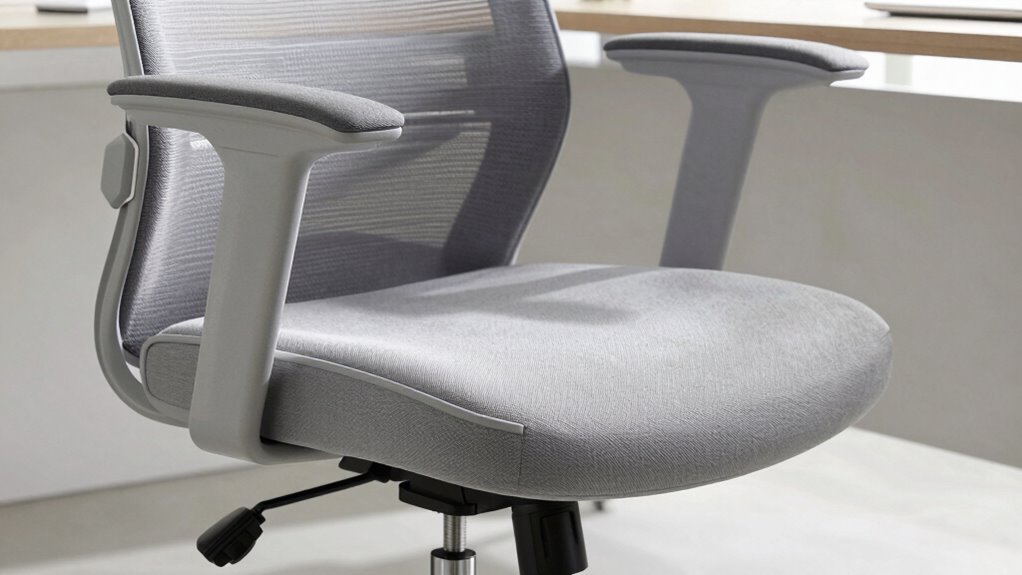
When selecting the right seat width, several key factors influence how well it will support your hips and guarantee comfort. First, consider ergonomic pressure; a seat that’s too narrow or wide can increase strain on your hips and lower back. Proper width distributes your weight evenly, reducing discomfort over time. Aesthetic appeal also matters—your seat should look proportional and visually pleasing without sacrificing function. Measure your hip width accurately to ensure the seat provides enough room for movement without feeling restrictive. Keep in mind that comfort isn’t just about fit but also about how the seat supports your posture and minimizes pressure points. Choosing a seat that balances ergonomic support with visual harmony will help you enjoy both comfort and style. Additionally, appropriate cushioning can significantly enhance overall comfort by reducing pressure and absorbing shocks during prolonged sitting. Being aware of cultural symbolism can also influence the aesthetic choices in furniture design, aligning your space with personal or cultural identity. Incorporating ergonomic principles into your selection process ensures long-term comfort and health benefits. Moreover, understanding AI-driven ergonomic assessments can help tailor seating solutions to individual needs, optimizing comfort through technology.
Why Standard Seat Sizes May Not Fit Everyone

Standard seat sizes are designed to fit the average person, but they often overlook the wide range of body shapes and sizes. This can compromise the ergonomic benefits you get from proper support, leading to discomfort or strain over time. When seats don’t match your unique proportions, you miss out on ideal hip and thigh alignment, which can cause long-term health issues. Additionally, aesthetic considerations often take a backseat in mass-produced options, making seats look generic rather than tailored to individual needs. As a result, standard sizes may feel restrictive or uncomfortably tight for some, or too loose for others. Recognizing these limitations highlights why one-size-fits-all solutions rarely suit everyone, emphasizing the importance of personalized seat choices for better comfort and support. Incorporating Free Floating design principles can help create more adaptable and comfortable seating options that better accommodate individual differences, promoting ergonomic benefits and overall well-being. Moreover, embracing customizable features can significantly improve user satisfaction and health outcomes, especially when considering body diversity and unique anatomical structures. A focus on individual needs in seat design ensures that diverse users can achieve optimal comfort and support tailored to their specific body types.
Tips for Testing and Adjusting Your Seat for Better Hip Support
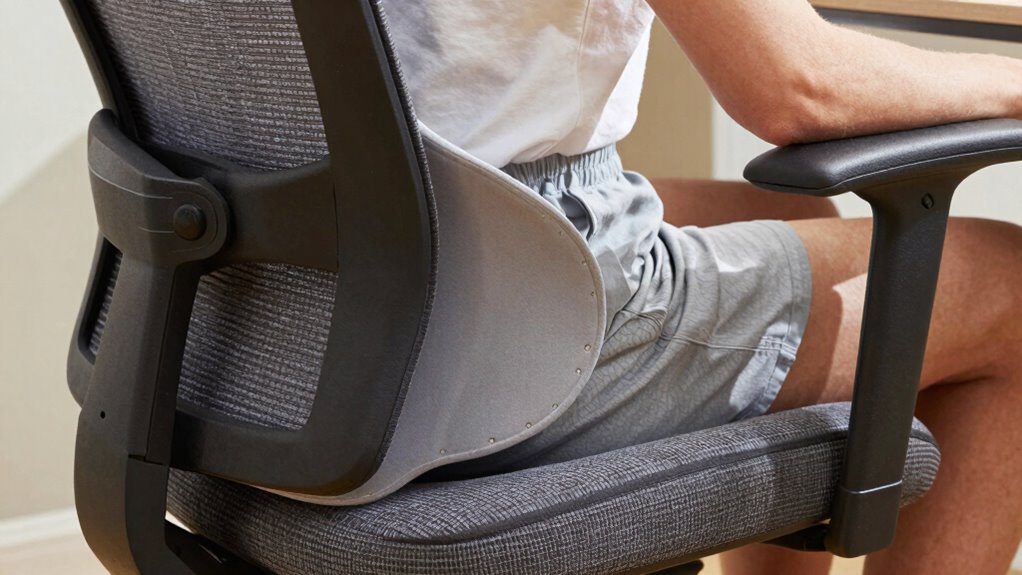
To guarantee your seat provides ideal hip support, it’s important to test and adjust it properly. Begin by sitting upright with your back against the lumbar support, ensuring your posture is ergonomic. Check if your hips are fully supported and aligned with your knees, avoiding pressure points. Shift your weight slightly forward and backward; if you feel discomfort or your hips are unsupported, make adjustments. Use seat height and depth controls to keep your hips level and ensure your thighs are comfortably supported without excessive pressure. Regularly reassess your positioning, and consider adding cushions or lumbar support adjustments if needed. Proper testing and fine-tuning help promote ergonomic posture, reduce strain, and ensure your hips are well-supported during extended sitting periods. Additionally, understanding the importance of ergonomic considerations can guide you in optimizing your seat for better comfort and health. Recognizing individual body differences is crucial to customizing your workspace for optimal support and comfort. Being aware of adjustment options allows you to tailor your chair to your unique needs, further enhancing comfort and support. Paying attention to proper ergonomic setup can prevent long-term discomfort and improve overall well-being. Incorporating feedback from your body during adjustments ensures that your seating arrangement remains comfortable and supportive over time.
How Adjustable Features Can Help You Find the Perfect Fit
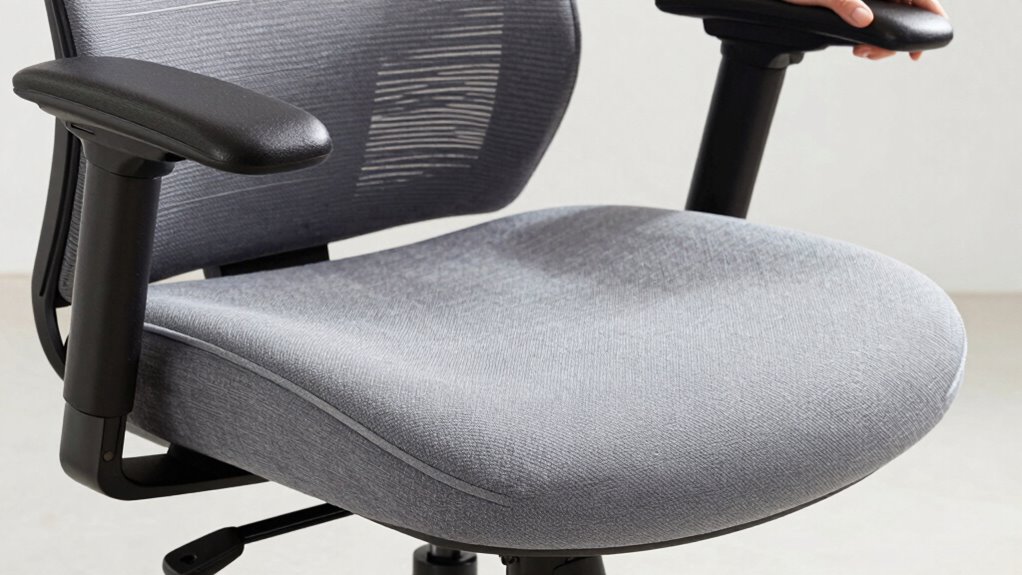
Adjustable features let you customize your seat for ideal comfort, ensuring a better fit. With multiple adjustment options, you can fine-tune the width and support to match your hips perfectly. These customizable features make it easier to find a seat that feels just right for you. Incorporating safe installation practices ensures your adjustments are both effective and secure.
Multiple Adjustment Options
Having multiple adjustment options allows you to tailor your chair to your unique body shape and preferences. This flexibility offers significant ergonomic benefits by ensuring proper support and alignment, reducing strain on your hips and lower back. Adjustable features like seat height, depth, and lumbar support let you customize the chair to fit your specific needs, promoting better posture and comfort during long periods of sitting. Additionally, these options help you address aesthetic considerations, enabling you to choose positions that look and feel right for your workspace. By fine-tuning your chair’s settings, you maximize comfort and functionality, preventing discomfort caused by improper fit. Ultimately, multiple adjustments empower you to create a personalized seating experience that supports your body and enhances your overall well-being.
Customizable Fit Features
Customizable fit features make it easy to find the perfect seating position by allowing you to modify your chair’s settings to match your body’s unique shape. By aligning with ergonomic principles, these adjustable features help reduce pressure points and enhance comfort. You can tweak seat height, tilt, lumbar support, and armrest positions to suit your specific needs. This personalization not only improves posture but also boosts productivity and focus. Aesthetic considerations matter too; adjustable options often blend seamlessly with modern designs, maintaining style without sacrificing function. With customizable fit features, you’re empowered to create a seating experience tailored to your hips and overall body, ensuring long-lasting comfort and support that adapts as your needs change.
Designing Seats That Accommodate Different Hip Shapes and Sizes
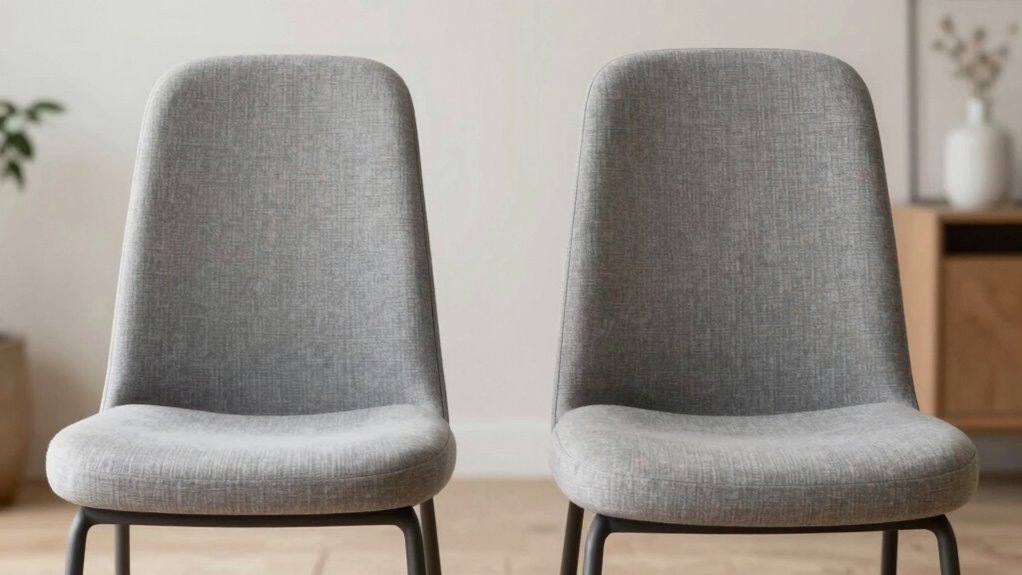
When designing seats for various hip shapes and sizes, adjustable dimensions let you customize comfort easily. Contoured seat designs support different body curves, ensuring better pressure distribution. Material flexibility also plays a role, allowing the seat to adapt to your unique shape for maximum support.
Adjustable Seat Dimensions
Designing seats with adjustable dimensions is essential to comfortably accommodate a variety of hip shapes and sizes. By allowing customization, you enhance ergonomic benefits, reducing pressure points and preventing discomfort during prolonged sitting. Adjustable features, like sliding or expanding seat panels, help users find a perfect fit, promoting better posture and spinal alignment. This flexibility also boosts aesthetic appeal, as seats can be tailored to fit different environments and personal preferences without compromising style. When you incorporate adjustable dimensions, you create inclusive seating that adapts to individual needs, making it suitable for diverse users. Ultimately, this approach ensures comfort, supports health, and elevates the overall design, demonstrating that one-size-fits-all solutions often fall short in delivering true hip and seat support.
Contoured Seat Design
Contoured seat design actively shapes the surface of the chair to better fit the natural curves of different hips. By customizing the seat’s contour, you encourage an ergonomic posture that reduces pressure points and enhances comfort. This design considers variations in hip width and shape, providing better support across diverse body types. When your hips are properly supported, your lumbar area also benefits, as maintaining a natural spinal curve becomes easier. Contoured seats help prevent discomfort and fatigue during extended periods of sitting. By aligning the seat shape with your hips, you promote better weight distribution and posture. This tailored approach assures that the chair adapts to your body, rather than forcing your body to adapt to the chair.
Material Flexibility Factors
To effectively accommodate different hip shapes and sizes, selecting flexible materials is essential. Material elasticity allows the seat to adapt to a range of body contours, providing better support and comfort. Fabrics with good stretch enable the seat surface to conform to your hips, reducing pressure points and preventing discomfort during prolonged sitting. When choosing materials, look for those that offer ample fabric stretch and resilience without losing shape or firmness over time. This flexibility ensures the seat can accommodate diverse body types while maintaining durability. By prioritizing material elasticity and fabric stretch, you create a seating experience that adjusts to individual needs, offering a more inclusive, comfortable fit for all users.
Frequently Asked Questions
How Can I Measure My Optimal Seat Width at Home?
To measure your ideal seat width at home, start with a DIY measurement by sitting comfortably on a flat surface. Use a tape measure to find the distance between the widest points of your hips. Follow ergonomic tips by sitting upright with feet flat on the floor. Record this measurement, and add a small margin for comfort. This personalized approach guarantees your seat fits your unique body shape perfectly.
Are There Specific Seat Materials That Improve Hip Comfort?
Your hips deserve the comfort of a throne worthy of royalty, and the right seat material makes all the difference. Opt for seats with plush seat padding and excellent lumbar support, like memory foam or gel-infused cushions, which contour to your hips and lower back. These materials reduce pressure points, enhance comfort, and promote proper posture. Investing in quality materials transforms your seating experience from uncomfortable to truly luxurious.
How Often Should I Reassess My Seat Fit for Comfort?
You should reassess your seat fit for comfort every few months or whenever you notice discomfort or fatigue. Maintaining ergonomic posture is essential, so regularly adjusting your seat guarantees proper support and alignment. Pay attention to how your body feels during extended use, and make seat adjustments as needed to prevent strain. Frequent reassessment helps you stay comfortable and supports your overall health while sitting for long periods.
Do Gender Differences Influence Ideal Seat Width?
Gender differences do influence your ideal seat width, as ergonomic design considers anatomical variations. Women generally benefit from a narrower seat to accommodate wider hips and different pelvis structures, while men often require a slightly wider seat for maximum comfort. By recognizing these differences, you can select a seat that provides better support and reduces discomfort, ensuring a tailored fit that enhances your overall comfort and posture.
Can Custom Seating Solutions Be Affordable for Most People?
Yes, custom seating solutions can be affordable for most people. You can explore budget seating options that include ergonomic adjustments, allowing you to personalize comfort without overspending. Many companies now offer adjustable chairs and cushions at reasonable prices, making it easier to find a setup that fits your body perfectly. Investing in ergonomic features helps prevent discomfort and promotes better posture, all while staying within your budget.
Conclusion
Remember, finding the right seat width isn’t a one-size-fits-all journey—it’s like tailoring a suit to fit your unique shape. When your chair supports your hips comfortably, good posture and all-day comfort follow naturally. Don’t settle for a seat that feels like trying to squeeze into someone else’s shoes. Instead, test, adjust, and seek out seats designed for your body. Your hips deserve a throne that fits just right—because comfort isn’t just a luxury, it’s your foundation.