
Before buying furniture, you need to measure your doorways, turns, and recline clearance carefully. Measure door widths at multiple points and include doorframe trim, and check full furniture depth with protrusions. Also, determine your turn radius for tight spaces and account for door swing and recline areas. Using the right tools and double-checking your measurements helps avoid costly mistakes. Keep exploring for tips to make sure your furniture fits perfectly and your delivery goes smoothly.
Key Takeaways
- Measure doorway widths at multiple points (top, middle, bottom) to ensure furniture can pass through smoothly.
- Confirm full furniture depth, including protrusions like arms or recline mechanisms, for accurate clearance checks.
- Calculate turn radius by measuring pivot points and space needed for comfortable, unobstructed turns.
- Check door height and width, accounting for trim or molding, to prevent fitting issues during delivery.
- Use precise tools and double-check measurements to avoid costly errors and ensure furniture fits perfectly in your space.
Why Accurate Measurements Save You Time and Money
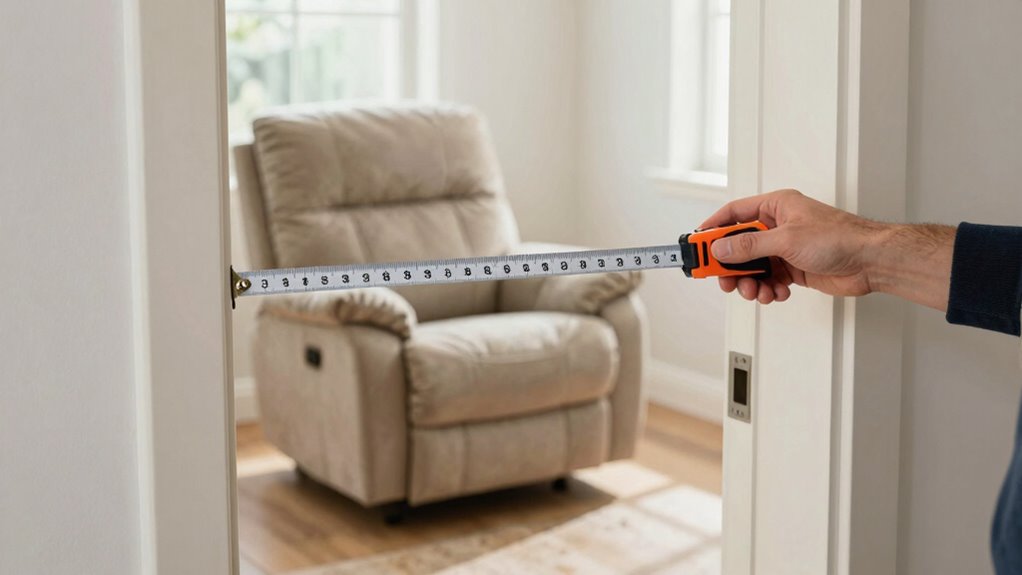
Accurate measurements are essential because they prevent costly mistakes and delays during installation. When you prioritize measurement accuracy, you improve your space planning, ensuring that furniture and fixtures fit perfectly. Precise measurements help you identify potential obstacles early, avoiding surprises that could force you to redo work or purchase additional materials. It saves you time by streamlining the entire process, from planning to execution. Without accurate measurements, you risk purchasing the wrong-sized furniture or making adjustments on-site, which can be both time-consuming and expensive. By focusing on measurement accuracy from the start, you create a clear, reliable blueprint that guides your project smoothly, saving money and reducing frustration. Good measurements are the foundation of efficient, successful installation. Additionally, understanding the space requirements and clearance for appliances and furniture can prevent awkward fits and ensure safe, functional layouts. Incorporating measurement tools and technology can also improve precision and streamline the process, especially when considering the field‑of‑view and imaging‑scale of any setup to avoid miscalculations. Employing laser distance meters or digital planning software can significantly enhance measurement accuracy and overall project efficiency.
How to Measure Doorways and Entry Points Effectively
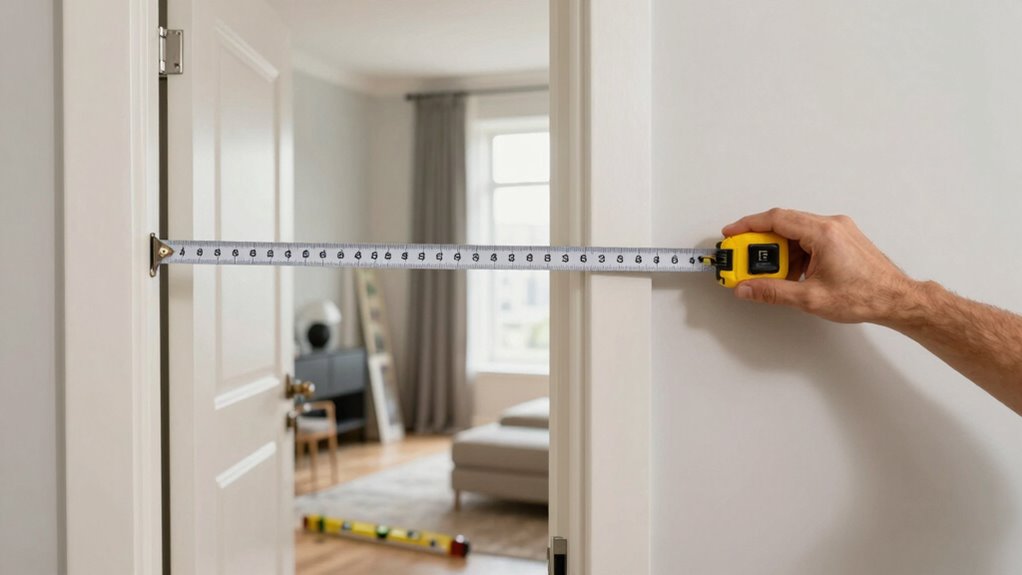
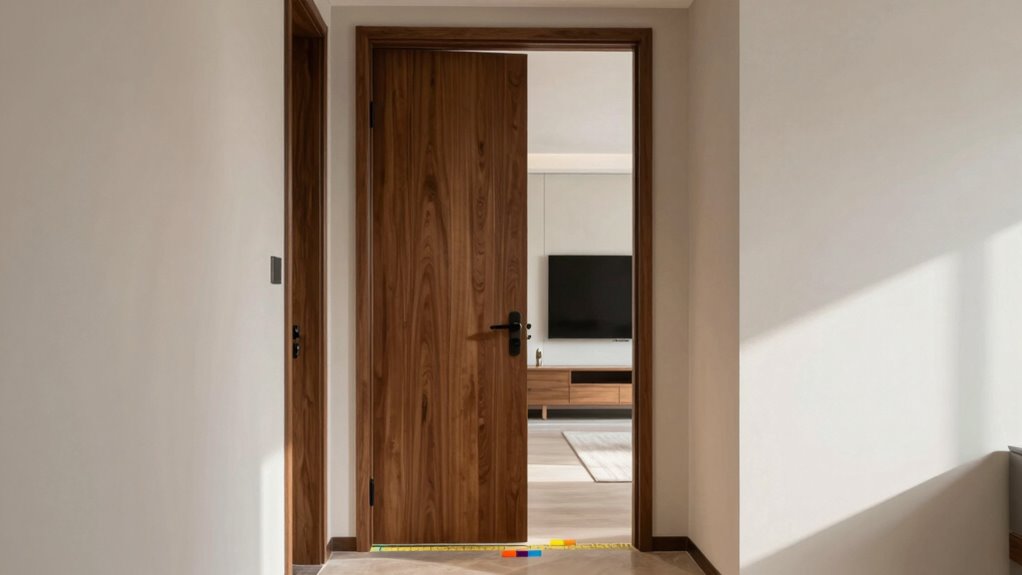
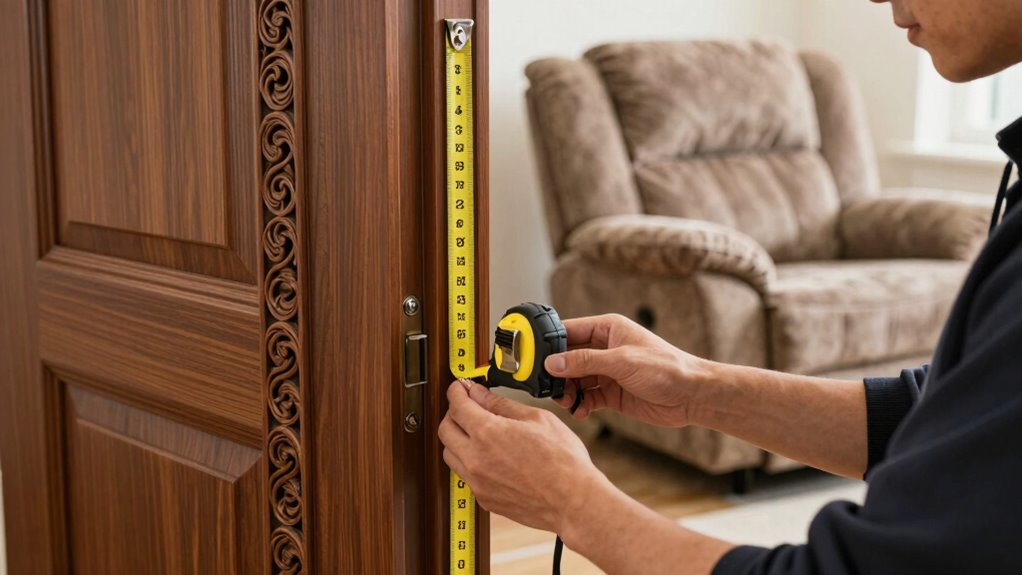
Measuring doorways and entry points correctly sets the stage for a smooth installation process. Start by noting the doorframe styles in your space, as they influence measurement techniques. Use a tape measure in your preferred measurement units—either inches or centimeters—for accuracy. First, measure the doorway width at three points: top, middle, and bottom, then record the smallest measurement to ensure your furniture or appliances fit. Next, measure the height from the floor to the top of the doorframe. Don’t forget to measure any trim or molding that could affect clearance. If your doorframe has a non-standard style, adjust your measurements accordingly. Precise measurements prevent surprises during installation and help you choose the right-sized furniture or appliances for your space. Additionally, understanding the importance of accurate measurements can save time and avoid costly mistakes during setup. Confirming doorway dimensions before purchasing can help ensure a seamless fit and avoid the hassle of returns. Being aware of ventilation considerations can also influence the placement and sizing of your sauna or cold plunge area, preventing future discomfort or safety issues. Proper measurement techniques can also aid in planning for door clearance and ensure smooth passage for larger items. Moreover, consulting with professionals can provide valuable insights into architectural solutions that optimize your space utilization.
Calculating Space Needed for Furniture Clearance
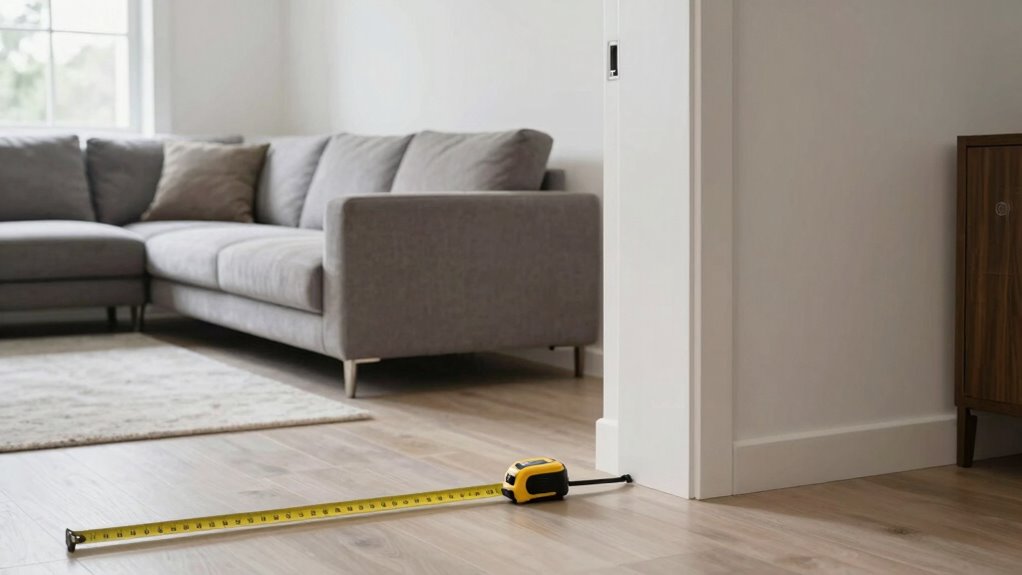
To make certain your furniture fits comfortably, you need to accurately measure doorway widths and account for furniture depth. Don’t forget to take into account how swing or recline mechanisms might require extra space. By focusing on these points, you’ll create a clear plan for effective furniture placement. Additionally, understanding the space requirements of different furniture types can prevent costly mistakes during setup. Knowing the ergonomic considerations can further enhance comfort and functionality in your space. Incorporating durable survival gear knowledge can also inspire you to prepare for unexpected situations during your move or setup process.
Measuring Doorway Widths
Before moving furniture through doorways, you need to determine if there’s enough space for it to pass comfortably. Start by measuring the doorway width using your preferred measurement units, like inches or centimeters. Use a tape measure, placing the hook at one edge of the frame and stretching across to the opposite side. Keep the tape straight and level to get an accurate reading. Remember, doorway aesthetics matter too—sometimes, a wide or decorative frame can influence clearance needs. Knowing the exact width helps you decide whether to tilt, angle, or disassemble furniture for easier passage. Always measure at multiple points—top, middle, and bottom—to account for any irregularities. Precise measurements prevent surprises and ensure a smooth move without damaging your home’s look or your furniture.
Accounting for Furniture Depth
Understanding your furniture’s depth is essential for ensuring it fits through doorways and around tight corners. When planning for custom furniture or rearranging decor placement, measure the full depth of each piece, including any protruding elements like arms or legs. This comprehensive measurement helps you determine the total space needed to maneuver furniture into your space without damage. Keep in mind that deeper furniture may require more clearance, especially in narrow hallways or around corners. Adding a few inches for safe passage prevents surprises during delivery or setup. Using precise measurement techniques ensures you get an accurate assessment of your available space and furniture size. Properly accounting for furniture depth also minimizes the risk of obstructions during movement, saving you time and effort. Additionally, understanding your space’s clearance requirements can help prevent potential damage to walls or doorframes. Measuring furniture in multiple directions can reveal unexpected obstacles and ensure a smooth fit during placement. By accurately accounting for furniture depth, you can avoid costly reconfigurations or damage, ensuring your space functions smoothly while accommodating your design style. Proper measurements and space planning keep your furniture fitting seamlessly where you want it.
Considering Swing and Recline
Considering Swing and Recline (Calculating Space Needed for Furniture Clearance) When considering furniture with swing or recline functions, you need to account for the extra space required when the features are in use. First, determine the door swing area to ensure it doesn’t obstruct pathways or other furniture. Second, measure the recline space needed for comfortable use, which varies by furniture type. Third, add clearance for the furniture’s maximum extension, including armrests and footrests if applicable. For example, recliners often need 4-6 inches of additional space when reclined. Remember, failing to account for these factors can block doorways or restrict movement. Always test the full recline and swing positions in your space to avoid surprises after purchase. Proper planning guarantees furniture functions smoothly without disrupting your layout. Additionally, furniture clearance guidelines can help optimize your space and ensure safe, functional furniture placement.
Finding Out Your Turn Radius for Tight Spaces

To navigate tight spaces, you need to know your turn radius. Gather the right tools, like a measuring tape and a helper, to get accurate results. Once you have your measurements, learn how to interpret them to make certain your space can accommodate your turns comfortably. Understanding pinball machine weights is also helpful if you plan to move or install equipment in your space. Additionally, practicing your measurements can improve your precision, ensuring more reliable results for your space planning. Being aware of your turning clearance can help prevent unexpected obstacles during installation or movement. Knowing your net worth can also provide insight into investments and resources available for home renovations or modifications. Recognizing the importance of small systems in everyday decision-making can further enhance your spatial planning accuracy.
Measuring Turn Radius
Measuring your turn radius is essential for maneuvering tight spaces safely and comfortably. To do this accurately, consider these steps:
- Identify the tightest corner or area where you need to turn, factoring in doorway thresholds and furniture placement.
- Use a measuring tape to mark the spot where your chair or mobility device naturally pivots without hitting obstacles.
- Record the distance from the pivot point to the outermost part of your device as your turn radius.
Tools Needed for Accuracy
Accurately determining your turn radius requires the right tools to guarantee measurements are exact. You’ll need a sturdy tape measure or laser distance finder to get precise dimensions of tight spaces. A chalk line or painter’s tape helps mark key points along walls or furniture, especially when considering different decorating styles or unique furniture materials that may influence clearance. A carpenter’s square ensures right angles are correct, avoiding miscalculations. For curved or irregular spaces, a flexible measuring tape is essential. Using these tools together helps you understand how your furniture materials and decorating choices interact with space, preventing surprises when moving or purchasing new pieces. Precision in measurement saves time, money, and frustration, ensuring your space accommodates your furniture comfortably.
Interpreting Space Requirements
Understanding your turn radius begins with interpreting your space requirements accurately. Proper space planning depends on precise measurements to ensure furniture fits comfortably in tight areas. To do this, you should:
- Measure the narrowest point of your space, including doorways and hallways.
- Determine the minimum turning radius needed for your furniture or equipment.
- Account for clearance space for door swings and reclines, adding extra inches as needed.
Accurate measurement is critical; even small errors can lead to ill-fitting furniture or obstructed pathways. By carefully analyzing these measurements, you’ll gain a clear understanding of your space’s limitations. This process helps you make informed decisions, ensuring your chosen furniture or appliances will navigate tight turns smoothly, without surprises during installation or use.
Essential Tools and Tips for Precise Home Measurements
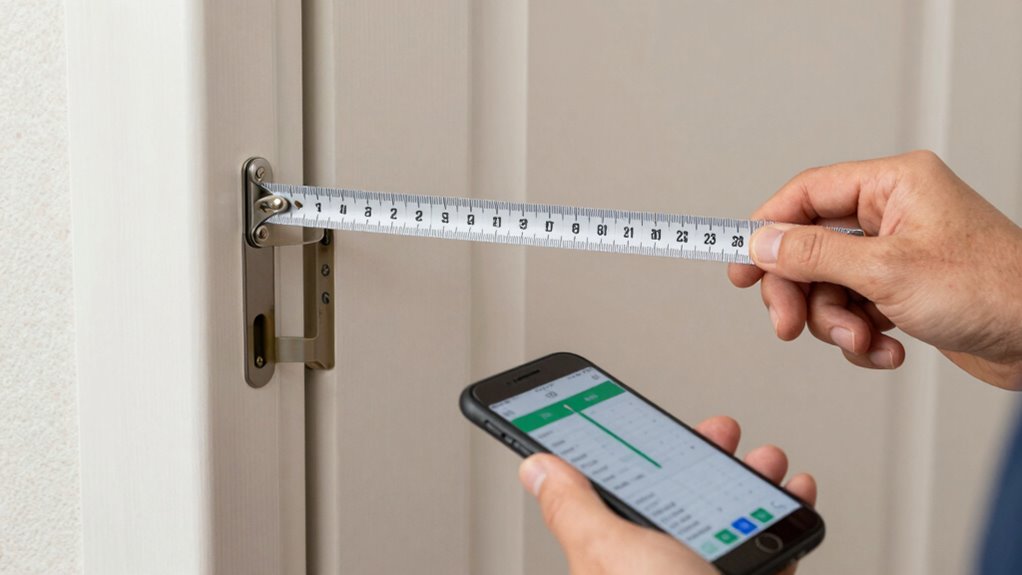
Having the right tools on hand is essential for achieving precise measurements when planning doorways, turns, and recline clearances. A sturdy tape measure ensures accuracy, especially when considering different decorating styles that influence furniture placement. A laser distance measurer saves time and provides precise readings in tight or hard-to-reach spaces. A level helps verify that surfaces are even, preventing measurement errors. Keep a notepad or digital device handy to record measurements immediately, reducing mistakes later. When measuring, always double-check dimensions to account for furniture placement and door swing arcs. Using these tools properly guarantees your plans will fit perfectly, no matter your decorating style. Accurate measurements prevent costly errors, making your renovation or furniture arrangement smooth and successful.
Common Mistakes When Measuring Large Items: And How to Avoid Them
Measuring large items can be tricky, and even small mistakes can cause big problems later. One common error is neglecting to account for doorway aesthetics, which affects how furniture fits and looks in your space. To avoid this, keep these points in mind:
- Measure twice to confirm dimensions before purchasing, preventing surprises during furniture arrangement.
- Include clearance space for doors, turns, and reclining features, ensuring the item can pass through tight spots without damage or hassle.
- Double-check measurements in different orientations—what fits in one direction may not in another—saving you from costly returns or reconfigurations.
Using Your Measurements to Ensure Furniture Fits and Delivery Goes Smoothly
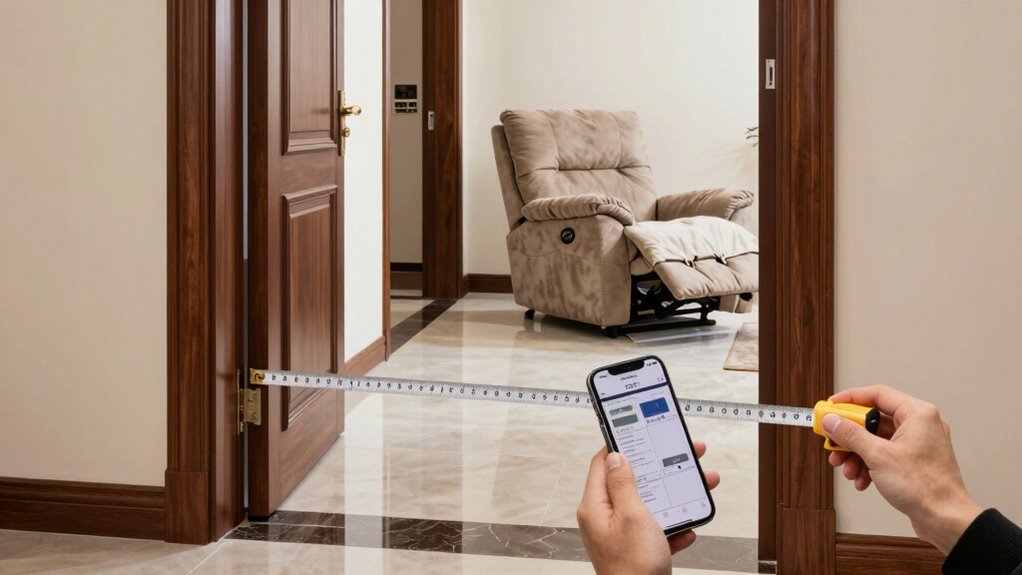
To guarantee your furniture fits through doorways and arrives without issues, you need to put your measurements into action during the planning process. Use your measurements to double-check that the piece’s width, height, and depth align with your space, avoiding surprises during delivery. Incorporate style tips by choosing furniture that complements your existing decor and color coordination to create a cohesive look. Consider how the furniture’s style and color will blend with your room’s palette, ensuring a harmonious flow. Clear measurements also help communicate with delivery teams, reducing the risk of mishaps. By planning ahead, you’ll prevent costly returns or rearrangements. Accurate measurements combined with thoughtful style choices make your furniture purchase seamless, ensuring it fits perfectly and enhances your space.
Frequently Asked Questions
How Often Should I Re-Measure My Doorways and Spaces?
You should re-measure your doorways and spaces at least once a year or whenever you notice any seasonal changes, like humidity or temperature shifts, that might influence dimensions. Measurement frequency depends on your living environment and how often renovations or furniture updates happen. Regularly checking ensures your furniture fits comfortably and prevents surprises when moving large items or making seasonal adjustments. Stay proactive to avoid awkward fits or damage.
What Are the Best Practices for Measuring Curved or Irregular Openings?
Did you know that up to 20% of doorways are irregular? When measuring curved or irregular openings, you should use custom measuring tools or shape templates for accuracy. Carefully trace the shape with a flexible measuring tape, then transfer those measurements to a level surface. This guarantees your furniture or appliances fit perfectly, even in non-standard spaces, saving you time and avoiding costly returns.
How Can I Verify Measurements if I Don’T Have Professional Tools?
To verify measurements without professional tools, use common DIY tools like a tape measure and a level for better accuracy. Double-check your measurements by taking multiple readings from different angles, and compare them to ensure consistency. For curved or irregular openings, gently bend a flexible ruler or use string to follow the shape, then measure the string with your tape. This approach improves measurement accuracy without specialized equipment.
What if Measurements Vary Slightly Between Different Parts of the Space?
If measurements vary slightly across different parts of your space, focus on measurement consistency. Use the same measuring tool for all checks, and double-check your measurements to guarantee accuracy. Keep your tools calibrated by comparing them against a known standard or a reliable object, like a doorframe or a piece of furniture. This way, you minimize errors and get a more accurate sense of your space’s true dimensions before buying furniture.
How Do I Account for Wall Thickness When Measuring for Furniture?
When measuring for furniture, you need to account for wall thickness by adding it to the furniture’s width and depth. Measure the space from the wall to the outer edge of any trim or molding, then subtract wall thickness from the total clearance. This assures your furniture fits comfortably without tight spots. Always double-check measurements, including wall thickness, to guarantee proper furniture clearance and smooth placement.
Conclusion
Remember, knowing your space is like having a secret map—think of it as your personal GPS guiding you through the furniture jungle. Measure twice, buy once, and avoid the pitfalls of the Trojan horse. With these tips, you’ll navigate tight doorways and tricky turns with the confidence of Da Vinci planning a masterpiece. Don’t let guesswork be your Achilles’ heel—measure smart, so your furniture fits perfectly and your home feels just right.