

The idea of a single “best time” to buy is a myth. Prices fluctuate throughout the year based on market demand, inventory, and retailer strategies, not just seasonal sales. Instead of waiting for specific sales, focus on understanding price patterns, comparing deals, and timing your purchases when prices dip naturally. If you want to learn how to spot real savings year-round, keep exploring these practical tips.
Key Takeaways
- There’s no universal “best time” to buy; optimal timing depends on product category and market conditions.
- Prices fluctuate throughout the year due to inventory and demand, not fixed seasonal sales.
- Retailers adjust prices dynamically, making waiting for sales no guarantee of savings.
- Promotional events are strategic but don’t always offer the lowest prices; timing varies.
- Smarter shopping involves understanding seasonal trends, promotional cycles, and consumer behavior, not fixed dates.
Is There Really a Best Time to Buy? Debunking the Sales Myth

Many shoppers believe there’s a specific time of year when prices drop the most, but is there really a “best” time to buy? The truth is, price fluctuation happens throughout the year due to various factors, not just seasonal sales. Consumer habits influence when retailers offer discounts, often in response to inventory levels or market trends rather than a set calendar date. Instead of waiting for a perfect moment, focus on understanding how demand and stock levels affect prices. Retailers frequently adjust prices based on real-time sales data, so waiting for a specific season might not guarantee savings. Recognizing these patterns helps you make smarter purchasing decisions, rather than relying on myths about a single best time to buy. Additionally, understanding dynamic pricing can help you identify when prices are truly optimal. Being aware of market trends and how they influence pricing can further empower you to seize the best deals when they arise.
How Do Seasonal Sales Cycles Actually Work Throughout the Year?
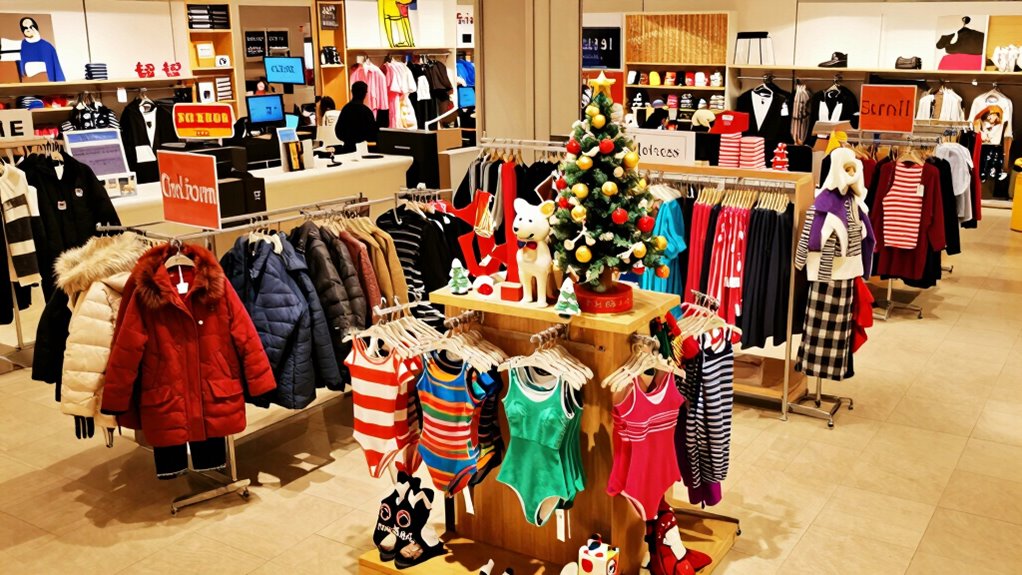
Seasonal sales cycles are driven by retailer strategies and consumer demand rather than fixed calendar dates. Retailers use seasonal trends to plan pricing cycles, aiming to clear inventory or attract shoppers during specific times of the year. For example, you’ll notice discounts on winter apparel in late winter or back-to-school deals in late summer. These pricing cycles are based on anticipated demand and inventory management, not some universal “best time” to buy. Retailers also introduce promotional events aligned with holidays or seasonal changes, but these aren’t guaranteed to offer the lowest prices. Understanding that seasonal trends influence sales helps you recognize that discounts are part of a calculated strategy, not an indication of the absolute best time to purchase. Additionally, European cloud innovation plays a key role in supporting sustainable and secure solutions, often influencing market offerings throughout the year. Recognizing how retailer inventory management works can further help consumers make more informed purchasing decisions. Being aware of market timing strategies can also help shoppers anticipate when discounts are most likely to occur.
How to Tell if a Deal Is Real or Just Promotional Hype?

When you see a deal that seems too good to be true, it’s important to look beyond the promotional hype and verify if the discount is authentic. Use your knowledge of pricing psychology and marketing tactics to spot signs of a fake deal. Ask yourself if the discount is consistent with the product’s true value or just a ploy to trigger impulse buying. Often, retailers use tactics like limited-time offers or “flash sales” to create urgency, but these can be exaggerated. Recognize that some deals are designed to manipulate emotions rather than save you money. Check the original price, compare across sources, and question the timing. This awareness helps you avoid falling for promotional hype and ensures your purchase is truly worth it. Additionally, understanding the importance of market reputation can help you determine whether a seller or provider is trustworthy and offers legitimate deals. Being aware of consumer trust factors can further assist in making informed purchasing decisions. Recognizing the influence of seasonal market dynamics can also help you identify genuine opportunities in the context of seasonal or promotional events, especially when considering the timing of sales to maximize value.
Tips for Finding Great Deals Anytime, Not Just During Big Sales

You don’t have to wait for big sales to find great deals; smart shoppers know how to spot savings anytime. Consistently compare prices across different stores or websites to guarantee you’re getting the best deal. Look for cashback offers, which can boost your savings without waiting for special sales events. Signing up for store newsletters or apps can also alert you to exclusive discounts and deals. Use price comparison tools to track price fluctuations and identify the right time to buy. Additionally, consider shopping during off-peak seasons when prices are naturally lower. Being aware of price fluctuation patterns can help you time your purchases more effectively. These strategies help you find great deals whenever you shop, proving that big savings aren’t limited to sales days. Stay vigilant, and you’ll always find ways to save.
Common Mistakes to Avoid When Timing Your Purchases

Even though timing your purchases can lead to significant savings, many shoppers make common mistakes that undermine their efforts. One mistake is falling into impulse buying, which can happen when you see a deal but haven’t planned ahead. Impulse purchases often cost more than they’re worth and can derail your budget. Another mistake is neglecting thorough price comparison. Just because a store advertises a sale doesn’t mean it’s the lowest price available. Always compare prices across different sellers before making a purchase, even during sales. Rushing into buying without research or letting emotions drive decisions can lead to overspending. Avoid these pitfalls by sticking to a plan, doing your homework, and resisting the urge to buy on impulse. This approach helps you save smarter, not just during sales. Incorporating creative storytelling into your shopping strategies can also help you better understand the value of your purchases and make more informed decisions. Additionally, understanding the science behind at-home beauty devices can give you confidence in your investments and prevent unnecessary spending. Recognizing the market dynamics that influence cryptocurrency prices can also help you avoid emotional trading and make more rational investment choices. Moreover, being aware of grocery savings strategies can help you optimize your shopping habits for better financial health.
Stay Informed and Save Money Year-Round: Top Tips

Staying informed about sales trends and market prices can help you save money throughout the year. By regularly doing price comparisons, you can identify the best deals and avoid overpaying. Incorporate budgeting strategies to plan purchases ahead of time, making it easier to take advantage of discounts when they appear. Keep an eye on seasonal sales and clearance events, even outside traditional sale periods. Use alerts or apps to track price fluctuations for items you want. Additionally, subscribe to newsletters from trusted retailers to stay updated on upcoming deals. Staying proactive and informed guarantees you don’t miss opportunities to save, giving you control over your spending all year long. Remember, knowledge is your best tool for smarter shopping. Understanding the performance ratings behind vacuum models can also help you make better purchasing decisions and avoid impulse buys. Furthermore, paying attention to market trends can help you anticipate when popular models might go on sale, ensuring you purchase at the optimal time. Recognizing consumer behavior and how shoppers respond to promotions can also provide insights into when to buy, especially when combined with understanding seasonal fluctuations in pricing.
Frequently Asked Questions
Are There Specific Products That Always Have Better Deals at Certain Times?
Yes, certain product categories tend to have better deals during specific seasonal trends. For example, electronics often go on sale during Black Friday and back-to-school seasons, while clothing may be cheaper during end-of-season clearance sales. By timing your purchases around these seasonal trends, you can save money. Keep an eye on these cycles to make smarter buying decisions and get the best deals on the products you want.
How Do Online Shopping Deals Compare to In-Store Discounts Throughout the Year?
Imagine a fireworks display where online deals glow brighter and more dazzling than in-store discounts, which flicker like fading sparks. Online shopping often offers sharper price comparisons year-round, with seasonal fluctuations bringing unexpected bargains, while in-store deals tend to follow predictable patterns. You can find better discounts online anytime thanks to constant sales and flash deals, but in-store discounts peak during specific seasons, making the battle of deals a visual spectacle.
Can Loyalty Programs Influence the Best Time to Buy a Product?
Loyalty programs can definitely influence your purchase timing. When you earn loyalty incentives, you’re more likely to wait for special offers or discounts tied to your rewards, shaping your buying schedule. These programs often offer exclusive deals during specific times, encouraging you to buy when benefits are highest. So, if you’re strategic about loyalty incentives, you can optimize your purchase timing to save more and get better value.
Do International Sales Events Impact Local Pricing Strategies?
Imagine the world’s marketplace as a swirling dance floor, where international sales events cause ripples across local prices. These events do influence local pricing strategies, driven by global market dynamics and currency fluctuations. When big sales happen abroad, stores nearby might adjust prices to stay competitive or capitalize on the surge, so you could see discounts or hikes. Keep an eye on these shifts—they directly impact what you pay locally.
How Does Economic Climate Affect Sales Timing and Discount Availability?
You should know that economic climate critically affects sales timing and discount availability. During periods of market fluctuations, retailers often adjust prices to stay competitive, which can lead to unexpected discounts. When consumer confidence dips, businesses might hold back on discounts, making timing essential. By staying alert to these shifts, you can better identify when to buy for the best deals, rather than relying on traditional sales seasons.
Conclusion
Remember, the myth of a perfect “best time” to buy is like chasing shadows in the moonlight. Instead, become a savvy shopper who stays alert and flexible, ready to catch deals whenever they appear. Your wallet’s happiness depends on your awareness, not on chasing fleeting sales. So, keep your eyes open and your mind sharp—you’re the captain steering your own savings ship through calm waters and storms alike.