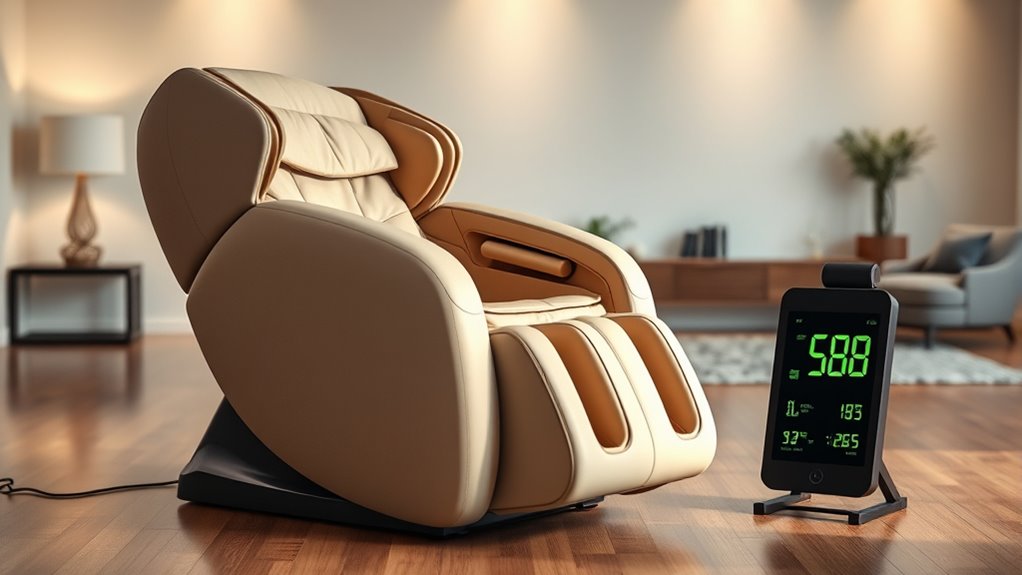
Massage chairs typically use between 100 and 200 watts when in use, which is similar to a space heater or large lamp. They often include features like auto shut-off and sleep modes to help save energy during idle times. If you leave the chair plugged in or use it continuously, it will consume more electricity, affecting your bills and the environment. Keep going to discover simple ways to make your massage chair more energy-efficient.
Key Takeaways
- Massage chairs typically use 100 to 200 watts during operation, similar to a space heater.
- They consume about 1 to 2 kWh monthly with daily 30-minute use.
- Energy-efficient features like auto shut-off reduce standby power consumption.
- Leaving the chair plugged in when unused increases unnecessary energy drain.
- Proper use of sleep modes supports eco-friendly practices and lowers electricity bills.
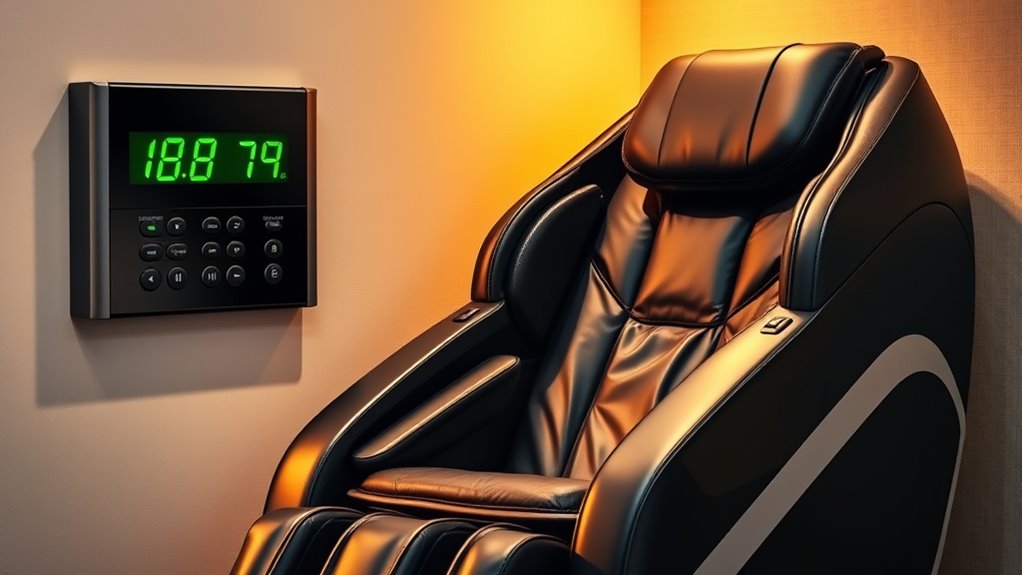
Have you ever wondered how much energy your daily activities actually use? When it comes to devices like a massage chair, understanding its power consumption can help you make smarter choices about energy efficiency and its environmental impact. While a massage chair offers relaxation and relief, it also draws electricity, and that usage adds up over time. Knowing how much energy it consumes helps you balance comfort with sustainability, ensuring you’re not wasting unnecessary resources.
Most massage chairs are designed to be energy-efficient, meaning they use a relatively small amount of electricity compared to other household appliances. Typically, a massage chair consumes between 100 to 200 watts when in use, similar to a standard space heater or a large desk lamp. When you’re enjoying a massage, the chair’s motor and heating elements operate simultaneously, but the total energy use remains modest. If you use your massage chair for about 30 minutes a day, it might consume roughly 1 to 2 kilowatt-hours (kWh) per month. To put that into perspective, that’s less than what a small refrigerator uses in a day.
Most massage chairs use only 100–200 watts, making them energy-efficient compared to other household appliances.
Additionally, most massage chairs incorporate power management features that help reduce energy consumption during idle periods, further enhancing their efficiency. However, continuous use or leaving the chair plugged in when not in use can increase energy consumption unnecessarily. Many modern chairs come with automatic shut-off features or sleep modes to enhance energy efficiency, reducing waste and minimizing environmental impact. These features are designed to turn off power after periods of inactivity, which benefits both your electricity bill and the planet. It’s a simple step to guarantee you’re not contributing to needless energy drain.
From an environmental standpoint, even small amounts of energy use matter, especially if your electricity comes from non-renewable sources like coal or natural gas. Reducing your device’s standby power and turning it off when not in use cuts down on greenhouse gas emissions associated with electricity generation. Being mindful of your massage chair’s power consumption aligns with a more eco-conscious lifestyle, helping to lessen your carbon footprint.
In short, while a massage chair isn’t a huge energy hog, being aware of its power consumption and utilizing features like auto shut-off makes a difference. It’s about balancing comfort and relaxation with responsible energy use, which ultimately benefits the environment. When you choose energy-efficient devices and practice mindful consumption, you’re taking small steps that contribute to a more sustainable future. So, next time you unwind in your massage chair, remember that a little awareness about its energy use can go a long way toward reducing environmental impact.

COMFIER Back Massager with Heat, Vibration Massage Seat Cushion with 8 Massage Nodes & 5 Modes, Adjustable Chair Massager Pad for Home Office, Heated Chair Pad, Gifts for Women Men Mom Dad
- Multiple Massage Modes: 5 massage modes with 8 motors
- Adjustable Heat Settings: Two temperature options for warmth
- Customizable Vibration Intensity: 4 vibration levels for personalized comfort
As an affiliate, we earn on qualifying purchases.
As an affiliate, we earn on qualifying purchases.
Frequently Asked Questions
Do Massage Chairs Consume Energy When Turned Off?
Yes, your massage chair still consumes energy when turned off, mainly due to standby power. This small amount of energy use can add up over time, affecting your energy savings. To reduce this, unplug the chair when not in use or use a power strip with an off switch. Doing so minimizes standby power consumption, helping you save on electricity bills and promoting energy efficiency.
How Does Usage Frequency Affect Electricity Bills?
Think of your electricity bill like a garden that grows with each usage habit. When you use your massage chair daily, it’s like watering that garden more often, causing your bills to grow. Regular use during billing cycles increases overall costs, while occasional use keeps expenses down. Being mindful of how often you enjoy your chair helps you control energy consumption and keeps your bills manageable.
Are There Energy-Efficient Massage Chair Models?
Yes, there are energy-efficient massage chair models available. You should look for chairs with energy-saving features like automatic shut-off timers and low power standby modes. Additionally, eco-friendly materials help decrease environmental impact. These models use less electricity during operation, saving you money on bills while being environmentally conscious. Choosing a chair with these features ensures you enjoy relaxation without unnecessary energy consumption, making it a smart and sustainable investment.
Does Temperature Control Impact Power Consumption?
Temperature regulation does impact power consumption. For example, if you set your massage chair to a higher temperature for heat therapy, it uses more energy to maintain that warmth. This can reduce energy savings if you keep the temperature elevated constantly. To optimize energy efficiency, adjust the temperature control to comfortable levels, balancing your comfort with energy savings. Proper temperature regulation helps you enjoy benefits without unnecessary power use.
How Long Is a Typical Massage Chair’s Power Cord?
A typical massage chair’s power cord length is usually around 6 to 9 feet, giving you flexibility in placement. The plug type is generally a standard US three-prong plug, compatible with most outlets. When setting up your massage chair, make certain the power cord isn’t stretched or pinched to avoid damage. Knowing the power cord length and plug type helps you position the chair conveniently and safely.

4D Massage Chair Full Body Zero Gravity Recliner,55“ SL-Track Massage Chair
- Full Body Airbag Massage: Strategically positioned airbags for full-body relief
- Foot and Calf Massage: Air compression and rotating finger pressure
- Long SL Track System: Automated body scanning for personalized massage
As an affiliate, we earn on qualifying purchases.
As an affiliate, we earn on qualifying purchases.
Conclusion
By understanding that a typical massage chair uses about 150 to 200 watts, you can easily estimate its energy costs. Did you know that running your massage chair for an hour costs less than a dollar? Keeping track of power consumption helps you save money and reduce your environmental impact. So, next time you unwind, remember how efficient your chair is—relaxing your muscles and your budget at the same time.
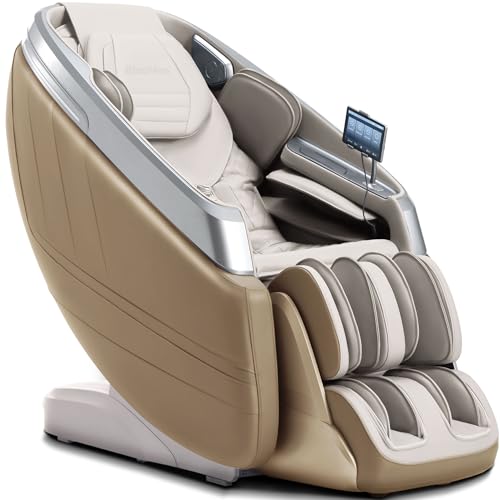
iBooMas P03 4D Massage Chair Full Body, Zero Gravity Massage Chair Recliner with 55" SL Track, 30 Auto Programs, Airbag Mode, Calf & Foot Roller, AI Voice, Relaxation & Sleep Support, Beige
- Realistic 4D Full-Body Massage: Adjusts depth and speed for personalized comfort
- Zero Gravity Recliner: Space-saving design with near-flat 180° recline
- Independently Adjustable Back & Footrest: Customizable positions for optimal relaxation
As an affiliate, we earn on qualifying purchases.
As an affiliate, we earn on qualifying purchases.

Guy-Tech AC/DC Adapter Compatible with Salton Assuage Heat Chair/Salton Relaxior Magic Music Massage Chair Avtiall Chair DC 12V 1000mA Power Supply Cord Cable PS Wall Home Charger
- Input Voltage Range: 100V – 240V worldwide
- Replacement Adapter: Brand new replacement, not original
- Protection Features: Over voltage, over current, short circuit protection
As an affiliate, we earn on qualifying purchases.
As an affiliate, we earn on qualifying purchases.