TL;DR
Fitness expert Andrew Griffiths says there is no single cardio machine suited to every older adult, but he would choose an exercise bike for his own home because it is seated, low-impact and easy to use gradually. Treadmills may suit people who are confident on their feet, while rowers offer a full-body workout but require more technique.
Fitness expert Andrew Griffiths says an exercise bike may be a practical home cardio choice for many older adults, citing its seated, low-impact design and ease of use. In a Fit&Well report comparing bikes, treadmills and rowing machines, he cautions that there is no one best machine for everyone: balance, mobility, injuries and fitness all affect which option is appropriate.

Get wellness gear delivered free with Prime
- Fast, free delivery on millions of items
- Prime Video, Amazon Music and more included
- Member-only deals all year
Griffiths, a Pilates instructor and fitness expert and nutritionist at Net World Sports, says exercise bikes let people pedal while seated and supported. That can make them a useful option for people who find weight-bearing activity uncomfortable, and resistance or pace can be increased gradually. His preference is personal rather than a universal recommendation: he says he would choose a bike for his own home, noting his history of old injuries and its versatility for gentle cycling or harder intervals.
Treadmills and walking pads can support cardiovascular fitness and the ability to walk, but their moving belts may be difficult for people with balance or mobility problems. Griffiths says a treadmill could be a better fit for someone already fit and confident on their feet, since walking relates directly to everyday movement and challenges balance.
Rowing machines work the legs, back, arms and core, but may be harder to use safely without instruction. Griffiths points to the low seat, which can make getting on and off difficult, and the technique involved. He warns that poor rowing form can put unnecessary strain on the lower back and neck, and suggests seeking guidance from a personal trainer or gym instructor.
Choosing Equipment Around Ability
The comparison matters because a home machine is only useful if a person can use it comfortably and consistently. A seated bike may reduce some of the balance demands involved in treadmill walking, while a treadmill may better support practice of a functional activity for people who are steady on their feet. A rower offers a broader workout, but its setup and technique may be barriers for some users.
Griffiths also argues against assuming that older adults should do only gentle exercise. He says small amounts of higher-intensity activity may offer benefits, while emphasizing that health, fitness and injury history need to shape any plan. The report does not establish that a particular machine is medically superior or appropriate for every older person.
Products Worth Considering
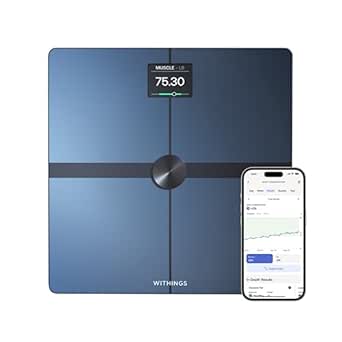
Withings Body Smart Smart Scale with Body Composition Tracking, Black

Levoit Core 400S-P Smart Air Purifier for Large Rooms up to 1718 ft²

Withings Body Comp Smart Scale with Body Composition and Visceral Fat Analysis, Black
As an affiliate, we earn on qualifying purchases.
Three Machines, Different Demands
The Fit&Well report frames the choice as a comparison of three common home cardio machines, not as a clinical trial or a formal guideline. It describes bikes as supported and low-impact, treadmills as useful for walking practice but potentially challenging for balance, and rowing machines as full-body equipment that calls for more technique.
Griffiths recommends starting with comfortable, steady cycling if someone is new to exercise and adding brief, harder intervals gradually as fitness improves. The article outlines a beginner-oriented bike session with a five-minute easy warm-up followed by alternating steady cycling and short increases in effort. Readers should treat this as general fitness advice, not an individualized exercise prescription.
“An exercise bike’s biggest advantage is that it’s low-impact—you’re seated and supported while exercising.”
— Andrew Griffiths, Pilates instructor and fitness expert and nutritionist at Net World Sports
Personal Fit Is Still Decisive
The report does not identify a machine that is safest or most effective for all older adults, nor does it provide comparative trial data establishing one option as best. It does not specify how a reader’s particular conditions, medications, fall risk or injury history should affect equipment choice. Griffiths’ preference for a bike is his own judgment, not a universal clinical recommendation.
The source also mentions a study on indoor cycling and hip pain but does not provide enough details here to assess its methods or findings. Anyone with balance concerns, an existing injury or a health condition should seek individualized advice before starting or intensifying exercise.
Start Gradually, Seek Guidance
The next step for someone considering a machine is to match its demands to their mobility, balance, comfort and goals, and to try equipment where possible before buying. New exercisers can begin at an easy pace and increase duration or intensity gradually. People uncertain about technique—particularly on a rower—or concerned about health or injury can consult a qualified fitness professional or healthcare provider.
Griffiths also suggests placing equipment somewhere visible and convenient to make short bouts of activity easier to fit into the day. The report offers no follow-up study or product ranking; its central guidance is to choose a machine a person can use consistently and safely.
Key Questions
What home cardio machine does the expert prefer?
Andrew Griffiths says he would choose an exercise bike for his own home, citing its versatility and seated, low-impact format. He does not present it as the right choice for every older adult.
Is a treadmill suitable for older adults?
It may suit people who are fit and confident on their feet, according to Griffiths. The moving belt can pose a challenge for people with balance or mobility difficulties.
What should older adults know about rowing machines?
Rowers recruit several muscle groups, but getting on and off the low seat and learning proper technique can be difficult. Griffiths recommends guidance if needed, since poor form may strain the lower back or neck.
How should a beginner start using an exercise bike?
The report recommends beginning with comfortable, steady cycling and introducing short, somewhat harder intervals gradually as fitness improves. This is general advice, not a personalized exercise plan.
Should someone with an injury or balance concern choose a bike?
The report does not give a universal answer. It says individual health, mobility, balance and injury history matter; people with concerns should seek individualized professional advice before starting or increasing exercise.
Source: fitandwell.com