TL;DR

Get wellness gear delivered free with Prime
- Fast, free delivery on millions of items
- Prime Video, Amazon Music and more included
- Member-only deals all year
Fit&Well reports that difficulty sitting upright with legs extended may relate to tight hamstrings or calves, tightness elsewhere, or limited strength in the glutes and core. Yoga teacher Eser Ozdag recommends three stretches and a core exercise; the report does not establish a diagnosis or claim the routine will work for everyone.
Fit&Well has published exercise guidance for people who find it hard to sit upright with their legs extended, citing possible lower-body tightness or limited muscle strength and describing three stretches and one core exercise recommended by yoga teacher Eser Ozdag of MoreYoga. The report presents these as possible contributors and suggested movements, not a medical assessment or a guarantee of improvement.
The report says tight hamstrings and calves, the muscles along the back of the legs, may make the position uncomfortable. Ozdag also lists possible tightness in the lower back or hip flexors, along with weak glutes or deep core muscles. Difficulty sitting this way alone does not identify which, if any, of those factors applies to an individual.
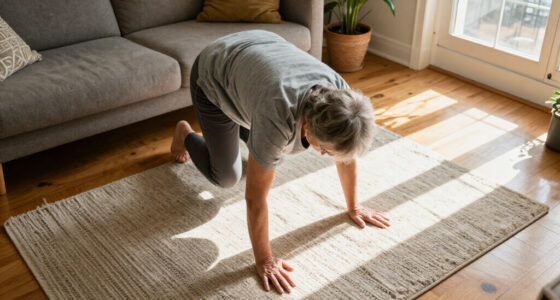
Ozdag’s suggested routine includes a supine hamstring stretch, a standing hip-flexor stretch and a standing calf stretch. The instructions recommend holding each stretch for 30 seconds on each side and repeating it two or three times. The report says to breathe slowly during the hamstring stretch and stop if it causes pain.
For strength, the report recommends the dead bug: lying on the back, keeping the lower back gently pressed toward the floor, and slowly lowering the opposite arm and leg without letting the back arch. It suggests two or three sets of six to 10 repetitions per side. Readers should work within a comfortable range; the source does not say that everyone should perform the routine or provide individualized advice.
How Pelvic Position May Affect Sitting
The position can offer a rough, informal indication of how comfortable someone is combining extended legs with an upright torso, but it is not a diagnostic test. The report says tight hamstrings may pull the pelvis backward, rounding the back, while tight hip flexors may pull it forward and increase the arch in the lower back. These are explanations offered in the report, not a finding about any particular reader.
That distinction matters because a person may struggle for different reasons, including strength as well as flexibility. The report argues that both qualities contribute to the position and recommends pairing mobility work with a core-strength exercise. It does not provide research data showing that the four movements correct posture, prevent injury or relieve pain.
There is no general requirement to sit with the legs perfectly straight. The practical takeaway is to treat discomfort as information about a position, rather than proof of a specific problem, and to avoid forcing a stretch or exercise that hurts.
Products Worth Considering

Philips Sonicare 5950 Rechargeable Electric Toothbrush with 2 Brush Heads, Pink

Garmin Forerunner 935 GPS Running and Multisport Watch, Black

Oral-B iO5 Rechargeable Electric Toothbrush with 5 Cleaning Modes and Travel Case, White
As an affiliate, we earn on qualifying purchases.
The Four Exercises in the Report
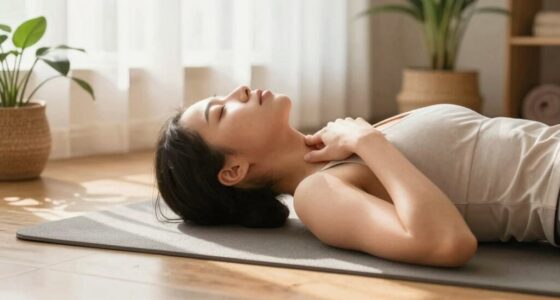
For the hamstring stretch, the instructions say to lie on the back, bend one knee with that foot on the floor, and use a strap, towel or belt around the other foot. The raised leg moves toward the ceiling, with a slight bend in the knee if needed. The report specifies 30 seconds per side and says to stop if pain occurs.
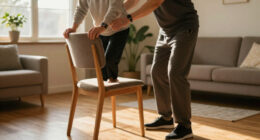
The hip-flexor stretch uses a split stance. With support from a wall, chair or worktop if needed, the person tucks the tailbone, gently squeezes the glute on the back-leg side and moves the hips forward until a stretch is felt at the front of that hip. Ozdag’s instructions say to keep the chest lifted and avoid arching the lower back.
For the calf stretch, the person faces a wall, steps one leg back and keeps that heel on the floor while leaning forward. The report says to point the toes forward and keep the back leg straight to target the calf. In the dead bug, the arm and opposite leg lower slowly; the movement stops before the lower back lifts or arches. These are the source’s directions, not a substitute for coaching or clinical care.
“Other reasons include tightness in the lower back, tight hip flexors, weak glutes and weak deep core muscles.”
— Eser Ozdag, yoga teacher at MoreYoga, as quoted by Fit&Well
What the Position Cannot Diagnose
The supplied report does not identify a single cause for difficulty sitting upright with extended legs, nor does it cite a clinical test that can distinguish among tightness, weakness or other explanations. It also gives no study results, success rate or evidence that the routine changes posture or resolves symptoms. Individual causes and likely outcomes remain unknown based on the source.
The report does not specify how often to repeat the routine over multiple days, how to modify it for injuries or health conditions, or when difficulty warrants professional assessment. Pain, persistent symptoms or concerns about movement are reasons to seek individualized advice from a qualified health professional rather than push through the exercises.
Use the Routine Within Your Limits
The report offers no follow-up study, treatment plan or announced next milestone. Readers who choose to try the movements can follow the stated repetitions and holds while keeping the movements comfortable and stopping if they cause pain. A support such as a wall or chair can help with balance during standing stretches.
Anyone with an injury, a pre-existing condition, persistent pain or uncertainty about safe movement should ask a qualified health professional for guidance before starting. The source does not establish that these exercises are suitable for every person or that difficulty in this seated position requires treatment.
Key Questions
What might make it hard to sit upright with legs extended?
Fit&Well cites possible hamstring or calf tightness, tightness in the lower back or hip flexors, and weakness in the glutes or deep core muscles. The position alone cannot determine which factor applies.
Which exercises does the report recommend?
The routine includes a supine hamstring stretch, a standing hip-flexor stretch, a standing wall calf stretch and the dead bug for core strength.
How long should the stretches be held?
The report suggests holding each stretch for 30 seconds per side, for two or three repetitions. Its hamstring-stretch instructions say to breathe slowly and stop if pain occurs.
Does difficulty sitting this way mean something is wrong?
Not by itself. The report lists several possible explanations but does not present the position as a diagnostic test. It also says people do not necessarily need to sit with their legs perfectly straight.
When should someone seek professional advice?
Consider asking a qualified health professional if you have an injury or pre-existing condition, experience pain, have persistent symptoms or are unsure whether the movements are appropriate. Do not force a stretch that hurts.
Source: fitandwell.com