TL;DR
Massage guns can temporarily improve flexibility and reduce soreness after workouts but don’t speed up healing or treat injuries. Using them properly and safely maximizes their benefits.
Imagine the rich, rhythmic hum of a massage gun, gently pulsating your muscles after a tough workout. It feels like a warm breeze, loosening tightness and easing soreness. But do these devices truly speed recovery or are they just a comforting ritual? If you’re curious about whether a percussion massager can support your post-exercise routine, you’re about to learn how they work—and what they can and can’t do.
This guide breaks down the science, shares practical tips, and highlights safety considerations so you can use massage guns confidently. No fluff, just real-world advice for feeling better faster.
Use a massage gun for brief, gentle sessions before and after workouts—not as a deep tissue fix.
Start on low speed and avoid pressing hard—listen to your body to prevent irritation.
Choose a device with adjustable settings and comfortable attachments suited to your muscles and sensitivity.
People with certain health conditions should consult a professional before use.
Remember: massage guns support comfort and mobility, but they aren’t a shortcut to faster recovery or injury treatment.
What a massage gun does (and what it doesn’t)
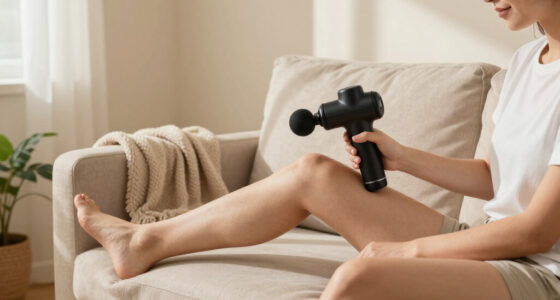
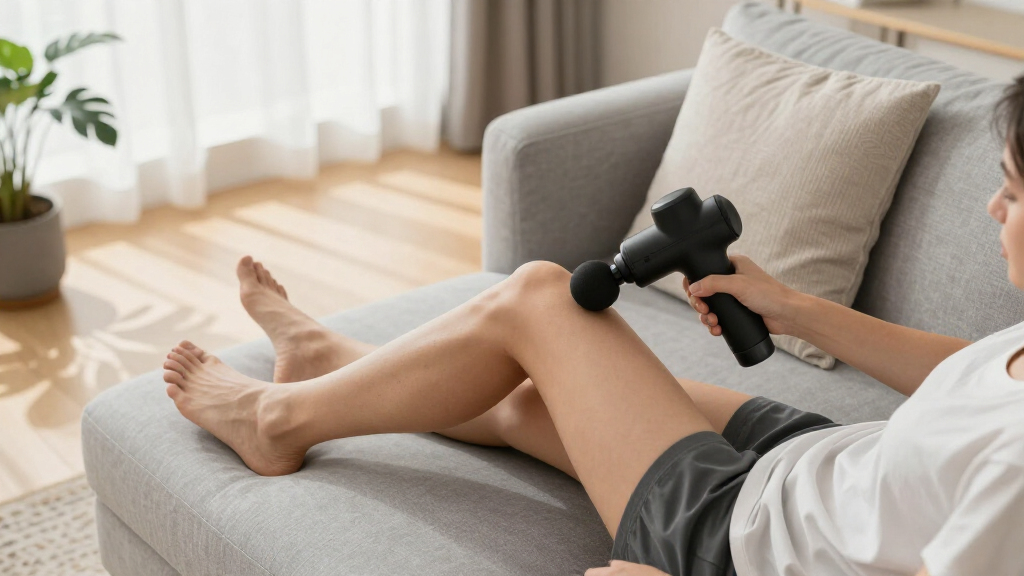
A massage gun, also called a percussion massager, uses rapid, repeated pulses to stimulate muscles and soft tissues. When you press it onto a muscle, it’s like getting a gentle tap-tap that increases blood flow and eases tightness. But it’s not magic—these devices don’t break up scar tissue, flush out toxins, or speed healing in a major way.
Research shows that they can temporarily improve flexibility and reduce the feeling of soreness. However, claims that massage guns drastically accelerate recovery or treat injuries are overhyped. Think of them as a soothing partner for daily comfort, not a miracle cure.
For example, a runner might use a massage gun on their calves after a 10K to feel less stiff. That sensation of looseness? Real. The tissue repair or toxin removal? Not so much.
Understanding what massage guns do helps set realistic expectations. They mostly work by stimulating blood flow to the targeted area, which can help reduce the perception of soreness and improve comfort temporarily. But because they don’t address deeper tissue damage or remove accumulated toxins, relying solely on them for recovery can lead to disappointment. The tradeoff is that while they are convenient and easy to use, overusing them or expecting too much can mask underlying issues that need proper rest, hydration, or medical attention.
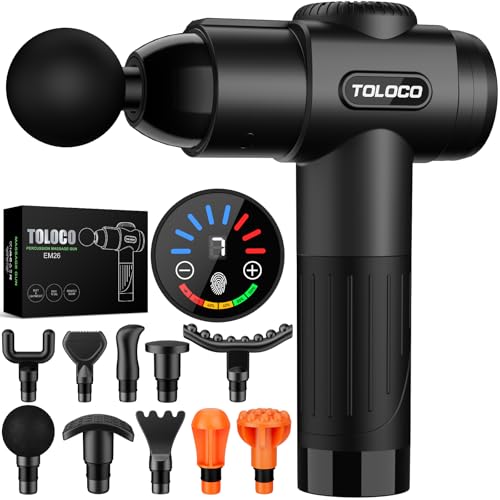
TOLOCO Massage Gun, Deep Tissue Back Massage for Athletes for Pain Relief, Percussion Massager with 10 Massages Heads & Silent Brushless Motor, Relaxation Gifts for Men Women, Black
- Deep Tissue Penetration: 12mm, up to 3200 rpm for pain relief
- Long Battery Life: Up to 6 hours on a single charge
- 10 Replaceable Massage Heads: For full-body muscle relaxation
As an affiliate, we earn on qualifying purchases.
As an affiliate, we earn on qualifying purchases.
When and how to use a massage gun for best results
Timing matters because the effects of massage guns are temporary and their effectiveness depends on how and when you use them. Using a massage gun before exercise can help warm up muscles by increasing blood flow, making your muscles more pliable and less prone to injury. Post-workout, a brief session can help alleviate tightness and reduce the perception of soreness, which can improve your mobility and comfort for the rest of the day.
On recovery days, short sessions maintain muscle relaxation and flexibility, helping to prevent stiffness from setting in. The key is moderation: overusing the device or applying excessive pressure can cause irritation or bruising, undermining your recovery process. The goal is to stimulate circulation and loosen tissues without causing additional stress.
Here’s a simple routine:
- Warm up with 30 seconds of gentle pulsation on major muscles to prepare them for activity and reduce injury risk.
- Post-exercise, target sore spots for 1–2 minutes each to help ease tightness and promote relaxation.
- Always keep the device moving—holding it still on one spot can cause discomfort or tissue damage.
- Start at low speed, and increase gradually if comfortable, to avoid overstimulation.
For example, after a heavy leg day, spend a minute on your quads and hamstrings, moving the device smoothly and avoiding excessive pressure. If you experience sharp pain or tingling, stop immediately. Remember, the purpose is to support recovery, not to force tissues beyond their limits. The tradeoff in timing is balancing effective stimulation with avoiding overstimulation that can lead to soreness or injury.
percussion massager with adjustable settings
As an affiliate, we earn on qualifying purchases.
As an affiliate, we earn on qualifying purchases.
Choosing the right massage gun and attachments
Not all massage guns are created equal. Important features include adjustable speed and force, quiet motors, and ergonomic design. A lightweight device with a comfortable grip makes it easier to target your back or shoulders without fatigue. Look for a model with good battery life and a reliable warranty, as these factors affect usability and longevity.
Attachments matter, too. Choosing the right head can enhance the effectiveness of your massage and reduce discomfort. Here’s a quick comparison:
| Head Type | Best For |
|---|---|
| Round or ball | Large muscle groups like thighs or glutes, where broad stimulation helps improve circulation and loosen tissues. |
| Flat | Dense muscles, such as calves or the chest, where a firmer contact enhances effectiveness without overstimulation. |
| Cushioned or soft | Sensitive areas or sore spots, providing gentle relief without aggravating tissues. |
| Fork | Alongside the spine (carefully), to target muscles adjacent to the vertebral column while avoiding bones. |
| Bullet | Small, specific spots like trigger points, for precise relief of localized tension. |
More attachments don’t necessarily mean better results; they are tools to customize your experience. Choosing the right head depends on your specific needs and comfort. Experimenting with different attachments can reveal what works best for your body, helping you avoid unnecessary discomfort while maximizing benefits.
post-workout muscle relief massage gun
As an affiliate, we earn on qualifying purchases.
As an affiliate, we earn on qualifying purchases.
Who should be cautious with massage guns
While massage guns are generally safe for most healthy individuals, understanding your own health conditions is essential. If you have blood clotting issues, neuropathy, osteoporosis, or recent injuries, the risk of aggravating your condition increases. Using a massage gun on inflamed, swollen, or broken skin areas can worsen inflammation or cause further tissue damage. Over sensitive nerve zones, such as the front of the neck, can lead to adverse effects like dizziness or nerve irritation.
For example, if you recently tore a hamstring or have varicose veins, applying a massage gun might increase inflammation or cause bruising, delaying healing. Pregnant women should avoid massaging the abdomen or lower back unless advised by a healthcare provider, as hormonal changes can alter tissue response and increase sensitivity.
If you experience severe pain, dizziness, or swelling during use, it’s critical to stop immediately and seek medical advice. Understanding your body’s signals and limitations is crucial—ignoring them can turn a supportive tool into a risk factor. Think of the massage gun as a supplement to, not a substitute for, professional medical guidance when dealing with complex conditions.
“A massage gun is a tool, not a treatment. If in doubt, check with your doctor, especially if you have health concerns.”
deep tissue massage gun attachments
As an affiliate, we earn on qualifying purchases.
As an affiliate, we earn on qualifying purchases.
What to look for when buying a massage gun
Don’t assume that paying more guarantees better results. Instead, focus on features that enhance usability, safety, and effectiveness. Adjustable speeds and force levels allow customization based on your body’s needs, helping prevent overstimulation or injury. A quiet, powerful motor makes sessions more comfortable and less disruptive. Lightweight and ergonomic designs reduce fatigue during longer use, allowing for better control and targeting.
Battery life is critical—long-lasting power ensures you don’t run out mid-session, especially if you plan to use it frequently or on multiple muscle groups. A reliable warranty and responsive customer support save headaches if issues arise. Effective attachments tailored to your needs—such as softer heads for sensitive areas or firmer ones for deep tissue—make the device more versatile.
Market hype around expensive, feature-rich models can be misleading. Instead, choose a mid-range device that balances quality, comfort, and affordability. Consider whether smart features like pressure sensors, app-guided routines, or timers add value for you. These can help prevent overuse and guide your sessions but are not essential for effective use.
Latest trends and what’s coming next
The market is evolving fast. Smaller, quieter models with smarter tech are now common. Many offer app-guided routines, heat/cold attachments, and even pressure sensors that give feedback on how much force you’re applying. These innovations aim to enhance user experience and safety, allowing more precise targeting and reducing the risk of overstimulation or injury.
For example, some new models include visual displays showing pressure levels or timers, making your sessions more precise and customizable. However, the hype around claims like breaking up fascia or eliminating cellulite often exceeds what research supports. While these features can be helpful, they should be viewed as supplementary tools rather than miracle solutions.
Keep an eye on ergonomics and noise levels—these factors greatly impact daily use. As professional physiotherapists become more selective about device recommendations, manufacturers are designing devices for supportive, complementary use rather than standalone treatments. The tradeoff is that newer tech enhances safety and convenience but still requires realistic expectations about what massage guns can achieve.
Your top questions about massage guns answered
Do massage guns really work? They can temporarily improve flexibility and lessen soreness perception but don’t speed up healing or fix injuries. Their primary benefit lies in providing immediate relief and comfort through increased circulation and muscle relaxation. However, they do not address deeper tissue damage or underlying causes of chronic pain, so relying solely on them for recovery can be ineffective or even counterproductive if underlying issues are ignored.
Can I use one every day? Most healthy people can, but it’s important to listen to your body’s signals. Regular use can be beneficial, but overdoing it may cause irritation, bruising, or increased soreness. If you notice persistent discomfort, reduce frequency or duration, and consult a healthcare professional if needed. Daily use is generally safe if sessions are brief and gentle, but overuse can interfere with natural recovery processes.
How long should I use it? Start with 30 seconds to a minute per muscle group, then gradually increase if comfortable. Longer sessions do not necessarily mean better results and can sometimes lead to overstimulation or tissue fatigue. The goal is to stimulate blood flow and loosen tissues without causing harm. Pay attention to your body’s responses and avoid overuse, especially on sensitive or injured areas.
Should it hurt? It may feel intense but shouldn’t cause sharp pain or burning. Discomfort is normal at times, but pain indicates you should stop. If you experience sharp or persistent pain, discontinue use immediately and consult a healthcare provider. Mild discomfort can be a sign of effective stimulation, but pain is a warning sign of overstimulation or injury.
Can it remove knots? It can help temporarily reduce the feeling of tightness or trigger points, but it doesn’t physically break apart muscle tissue or remove knots. Knots are often caused by muscle tension, adhesions, or trigger points, which require a combination of techniques—such as targeted massage, stretching, and rest—to resolve fully. Using a massage gun can provide relief but should be part of a broader recovery strategy.
Does it clear lactic acid? No. The idea that massage guns clear lactic acid is a myth. Lactic acid is a byproduct of muscle activity and is cleared naturally through blood circulation and metabolic processes within minutes to hours after exercise. Soreness is more often related to microscopic muscle damage and inflammation, which require rest and recovery rather than immediate toxin removal.
When should I see a doctor? For severe pain, swelling, persistent discomfort, or if you experience symptoms that worsen or don’t improve with self-care, seek professional medical advice. Ignoring serious issues can lead to chronic problems or delayed healing. Always prioritize medical consultation if you’re unsure about your condition or if you have underlying health concerns that might contraindicate massage gun use.
Conclusion
A massage gun is a handy, supportive tool for everyday muscle comfort and mobility. Use it wisely—briefly, gently, and with awareness of your body’s signals. When paired with good sleep, nutrition, and proper training, it can help you feel better without overpromising.
Think of it as a relaxing tap on your muscles, helping you move through your day with a little more ease—and that’s a win worth aiming for.