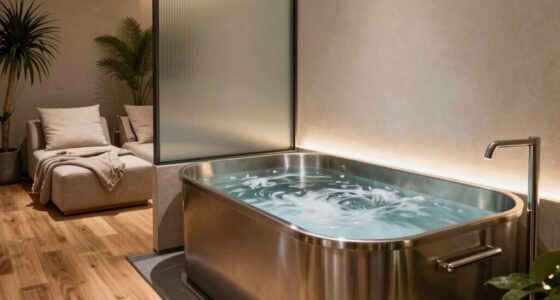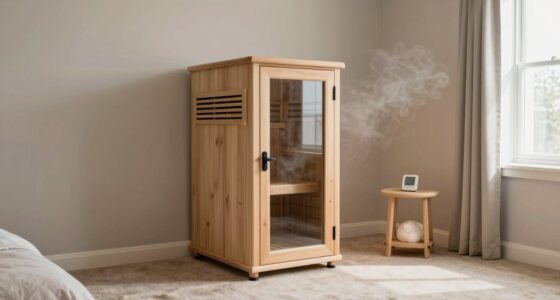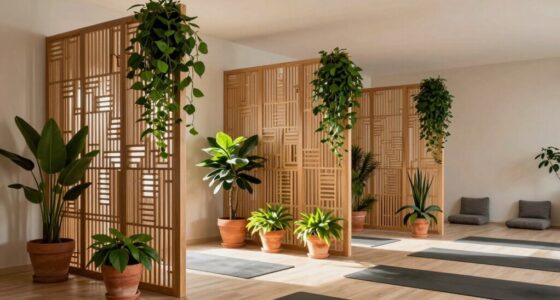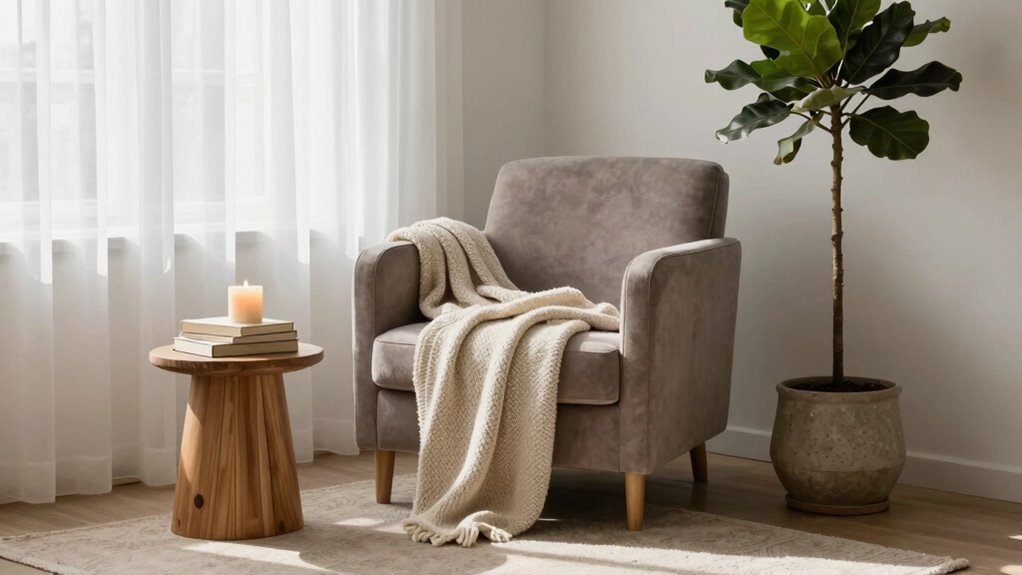

Create a peaceful recovery corner by simplifying your space—remove clutter and use calming scents like lavender or chamomile. Use soft, dim lighting and select tranquil colors such as muted blues or neutrals to foster relaxation. Incorporate cozy seating with plush cushions or mats, and add natural elements or soothing decor to deepen the calming atmosphere. Personalize it with meaningful objects that evoke comfort. If you keep exploring, you’ll discover even more ways to craft your ideal tranquil retreat.

Get wellness gear delivered free — and shop member deals
- Fast, free delivery on millions of items
- Access to Prime Big Deal Days deals on October 6–7
- Prime Video, Amazon Music and more included
Key Takeaways
- Use soft lighting and calming colors to create a soothing atmosphere without structural changes.
- Add plush cushions, throws, and comfortable seating to enhance physical comfort.
- Incorporate natural elements and calming scents to promote relaxation and sensory deprivation.
- Minimize clutter and electronic devices to reduce distractions and sensory overstimulation.
- Personalize the space with meaningful objects to foster familiarity and mental calmness.
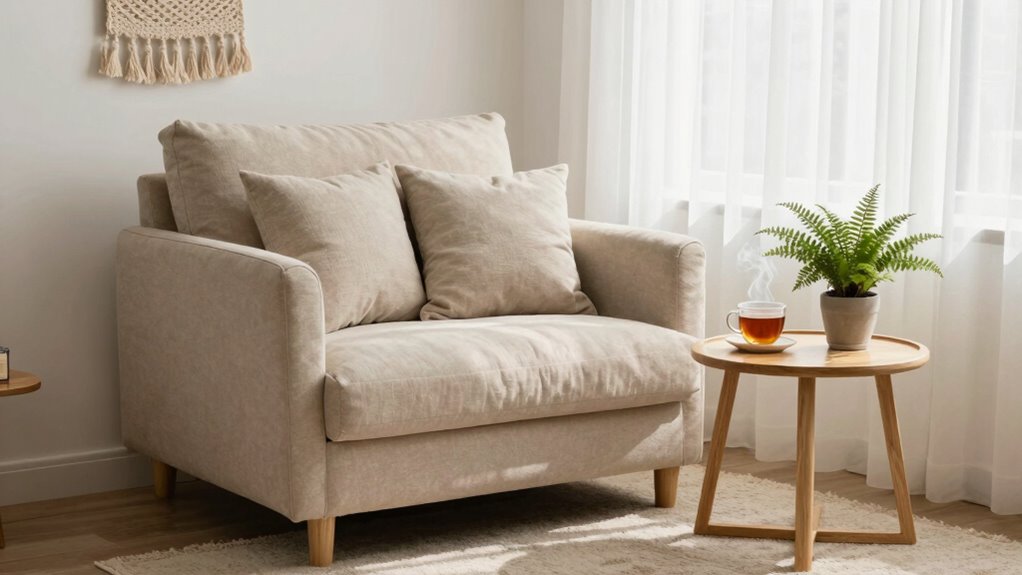
Have you ever wondered how a designated quiet space can speed up your recovery process? Creating a calming corner doesn’t mean you need to rip out walls or overhaul your entire room. Instead, you can transform a small area into a sanctuary that promotes relaxation and healing with simple adjustments. One effective way is to focus on sensory deprivation. By minimizing distractions, you help your mind and body settle into a peaceful state. Remove unnecessary clutter and keep only essential items to keep the space uncluttered. Use soft lighting, like dimmable lamps or fairy lights, to create a gentle glow. Avoid bright, harsh lights that can overstimulate your senses and hinder relaxation. Incorporate calming colors—think muted blues, soft greens, or neutral beiges—on walls or accessories. These hues are known to promote tranquility and help reduce stress, making it easier to unwind and focus on recovery. You can also include environmental cues such as natural elements or familiar objects that reinforce the sense of peace. Adding plush, comfortable seating or a cozy mat can encourage you to spend more time in your recovery corner. Choose cushions or throws in soothing fabrics that invite you to sit or lie down without discomfort. Sound plays a crucial role too. Consider installing a small speaker or using a smartphone app to play calming sounds like nature noises or white noise, which can drown out distractions and help you enter a relaxed state. Keep the environment quiet by turning off notifications or electronic devices that might cause interruptions. If you’re sensitive to noise, adding soft textiles like curtains or rugs can absorb ambient sounds and further enhance the sense of calm. Incorporating sensory deprivation techniques such as these can significantly heighten the restorative effects of your space. Additionally, choosing calming scents like lavender or chamomile can further enhance the environment’s relaxing qualities. Creating an environment with appropriate lighting can also make a noticeable difference in fostering calmness. Incorporating elements like nature-inspired decor can deepen the connection to tranquility and promote overall well-being. Personalize your space with items that bring you comfort—perhaps a favorite book, a few calming scents like lavender or chamomile via essential oils, or a couple of meaningful objects. Remember, the goal is to create a space that minimizes sensory input but still feels welcoming. You don’t need elaborate decorations or extensive remodeling; simple, intentional choices make a big difference. Focus on fostering an environment that encourages rest and recovery, one where you can fade away from the busyness of daily life. With a few mindful adjustments—using sensory deprivation techniques, calming colors, and cozy comforts—you can transform any corner into a peaceful retreat that supports your healing process.
As an affiliate, we earn on qualifying purchases.
Frequently Asked Questions
What Are the Best Portable Soundproofing Options?
You should consider using soundproof curtains and portable panels for effective soundproofing. Soundproof curtains are easy to hang and move, blocking noise and reducing echoes. Portable panels are versatile; you can position them around your recovery area to absorb sound and create a quiet space. Both options are affordable, convenient, and don’t require permanent installation, making them perfect for creating a tranquil recovery corner without remodeling.
How Can I Personalize My Recovery Corner?
You can personalize your recovery corner by adding personalized decor that reflects your style and comforts, such as meaningful artwork or cozy cushions. Use soothing color schemes like soft blues, gentle greens, or warm neutrals to create a calming atmosphere. Incorporate items like favorite books or calming candles to make the space truly yours, turning it into a peaceful retreat where you can relax and recover comfortably.
What Lighting Is Ideal for a Quiet Space?
You should use soft, warm ambient lighting to create a calming atmosphere in your recovery corner. Add task lighting, like a small lamp or reading light, for focused activities without overpowering the space. Avoid harsh, bright lights that can cause discomfort. Dimmer switches are ideal, allowing you to adjust the lighting to suit your mood and needs, making your space more relaxing and inviting.
How Do I Maintain Privacy in Shared Rooms?
You can maintain privacy in shared rooms by using privacy screens and sound barriers. Position privacy screens strategically to block sightlines, creating a secluded spot for relaxation. Add sound barriers like heavy curtains, fabric panels, or even bookshelf walls filled with books to dampen noise. These simple solutions help you carve out a peaceful, private area without major remodeling, allowing you to unwind comfortably in a shared space.
Are There Budget-Friendly Ways to Enhance Comfort?
Think of your recovery corner as a cozy retreat—adding soft furnishings like plush cushions and throws makes it more inviting without breaking the bank. Aromatherapy diffusers introduce calming scents, transforming the space into a peaceful haven. These small touches cost little but boost comfort considerably, turning your corner into a soothing sanctuary where you can relax and recharge whenever needed.
calming essential oil diffuser lavender chamomile
As an affiliate, we earn on qualifying purchases.
As an affiliate, we earn on qualifying purchases.
Conclusion
Creating a quiet recovery corner doesn’t require major renovations—just a few thoughtful touches. By choosing calming colors, comfortable seating, and soothing lighting, you craft a peaceful space for rest and healing. Did you know that incorporating nature-inspired elements can reduce stress by up to 60%? With these simple tips, you’ll have a serene retreat that promotes relaxation and recovery, all without the hassle of remodeling. Your ideal quiet corner is just a few mindful choices away.
plush floor cushions for meditation
As an affiliate, we earn on qualifying purchases.
As an affiliate, we earn on qualifying purchases.
white noise machine for relaxation
As an affiliate, we earn on qualifying purchases.
As an affiliate, we earn on qualifying purchases.
Fall Picks
fall essentials
As an affiliate, we earn on qualifying purchases.