
After heat exposure, staying hydrated and cooling down are key to preventing dehydration and heat-related illnesses. Replenishing electrolytes helps your muscles relax and keeps your nerves functioning properly. Cooling methods like cold packs or showers reduce core temperature and muscle tension, speeding up recovery. Natural strategies, such as shade or breeze, support your body’s cooling process sustainably. Keep going to discover more about how these practices protect your health and boost recovery.

Get wellness gear delivered free with Prime
- Fast, free delivery on millions of items
- Prime Video, Amazon Music and more included
- Member-only deals all year
Key Takeaways
- Replenishing lost fluids and electrolytes prevents dehydration and maintains muscle and nerve function.
- Cooling methods reduce core temperature, decreasing heat-related illnesses and muscle tension.
- Hydration enhances blood circulation, delivering oxygen and nutrients essential for recovery.
- Natural cooling strategies support the body’s innate ability to dissipate heat safely.
- Proper hydration and cooling improve cognitive function, safety, and overall health post-heat exposure.
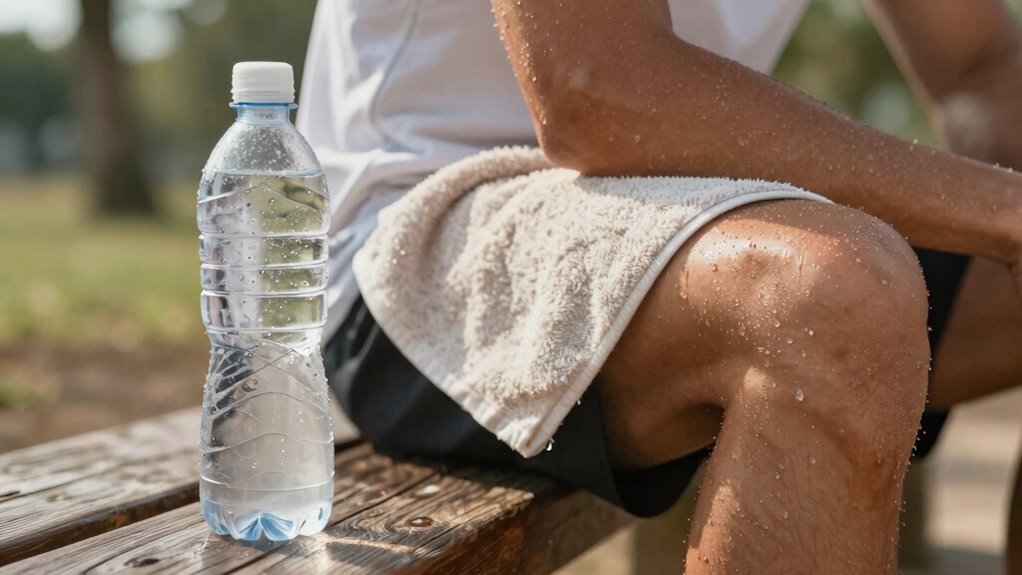
Have you ever wondered how to effectively manage heat recovery processes to guarantee safety and efficiency? After intense physical activity or exposure to high temperatures, your body needs proper hydration and cooling to recover fully. When you work or exercise in heat, your body loses fluids and electrolytes through sweat, which can disrupt your electrolyte balance. This imbalance is more than just feeling thirsty; it can impair muscle function, increase fatigue, and even threaten your safety. Restoring electrolyte balance becomes essential, and that’s where strategic hydration plays a fundamental role. Drinking fluids that contain electrolytes helps replenish lost minerals like sodium, potassium, and magnesium, which are necessary for muscle relaxation and proper nerve function.
Cooling off after heat recovery isn’t just about feeling comfortable; it’s about preventing heat-related illnesses and supporting your overall recovery. When your body overheats, your heart works harder, and your muscles can tighten or cramp. Cooling methods—whether through cold packs, showers, or fans—help lower your core temperature quickly, reducing stress on your cardiovascular system. This rapid cooling supports muscle relaxation, decreasing the risk of cramps and strains that could occur if muscles remain tense or fatigued. Plus, cooling aids in reducing inflammation, which is common after heat exposure, helping you recover faster and return to your normal activities more effectively. Incorporating proper cooling techniques can also enhance your body’s natural ability to recover and prevent additional heat stress. Additionally, employing natural cooling methods, such as staying in shaded or breezy environments, can be a sustainable way to support heat dissipation.
Hydration and cooling also help maintain your mental clarity and coordination. When your body’s temperature is too high, cognitive functions can decline, increasing the risk of accidents or injuries. Proper hydration guarantees that blood circulation remains efficient, delivering oxygen and nutrients to your muscles and brain. Ensuring that you hydrate with electrolyte-rich fluids is crucial for maintaining your body’s overall balance and preventing dehydration-related issues. Simultaneously, cooling strategies help you feel more alert and capable of focusing on tasks, especially if you’re in a physically demanding environment. You should aim to hydrate consistently before, during, and after heat exposure, choosing fluids that include electrolytes to optimize muscle relaxation and prevent cramping. Additionally, understanding the importance of biodiversity and sustainable practices can influence the availability of natural resources like clean water, which is vital for effective hydration and cooling efforts.
As an affiliate, we earn on qualifying purchases.
Frequently Asked Questions
How Quickly Should I Rehydrate After Heat Exposure?
You should rehydrate as soon as possible after heat exposure to restore electrolyte balance and prevent dehydration. Aim to start drinking fluids within 15 to 30 minutes, focusing on electrolyte-rich drinks to replenish lost salts and minerals. Proper hydration timing helps your body recover faster and maintains peak performance. Keep sipping fluids consistently afterward to stay well-hydrated and support your body’s cooling and recovery processes efficiently.
Are There Specific Drinks Better for Post-Heat Recovery?
Yes, certain drinks are better for post-heat recovery. Electrolyte-balanced beverages like sports drinks help replenish lost minerals and maintain electrolyte balance, speeding up recovery. Herbal infusions, like chamomile or ginger tea, soothe your body and keep you hydrated without added sugars. These drinks work together to restore your body’s fluids and electrolytes, helping you cool down efficiently and recover faster after heat exposure.
Can Cooling Methods Prevent Heat-Related Illnesses?
Cooling methods can prevent heat-related illnesses by aiding sweat evaporation and supporting thermoregulation processes. Think of your body as a castle under siege; effective cooling acts like a vigilant guard, releasing heat before it breaches defenses. When you cool down promptly, you help your body maintain a safe internal temperature, reducing risk. This proactive approach keeps you alert, healthy, and ready to face the heat without succumbing to heat exhaustion or heat stroke.
How Do Individual Factors Affect Hydration Needs?
Your individual factors, like age, weight, and activity level, influence your hydration needs. You need to pay attention to electrolyte balance, especially during prolonged or intense heat exposure, to prevent imbalances. Proper hydration timing is essential; drink fluids before, during, and after activity to stay ahead of dehydration. Recognizing your body’s signals and adjusting your intake accordingly helps optimize recovery and maintain overall health in hot conditions.
Is There an Optimal Temperature for Cooling Down?
You should aim for a cooling temperature around 59-68°F (15-20°C) for ideal thermal regulation and sweat efficiency. Cooler temperatures help you cool down quickly without shocking your system, like hitting two birds with one stone. This range allows your body to shed heat effectively while maintaining comfort, preventing overheating, and promoting recovery. Always listen to your body’s cues to avoid undercooling or overcooling, which can hinder recovery.
As an affiliate, we earn on qualifying purchases.
Conclusion
Staying hydrated and cooling off after heat recovery isn’t just good practice—it’s essential. Did you know that dehydration can reduce your performance by up to 25%? By drinking water and cooling your body down, you help prevent heat exhaustion and promote faster recovery. Keep these habits in mind, especially during hot days or intense workouts. Prioritize hydration and cooling to stay safe, refreshed, and ready to tackle your next challenge.
As an affiliate, we earn on qualifying purchases.
shower head with cooling features
As an affiliate, we earn on qualifying purchases.
As an affiliate, we earn on qualifying purchases.
Halloween Picks
halloween
As an affiliate, we earn on qualifying purchases.