
Leg scan features matter for your foot and calf alignment because they provide precise measurements that reveal subtle misalignments often missed by visual checks. These details help you understand how your muscles, joints, and pressure distribution impact your posture and movement. Addressing these issues early can prevent injuries, improve balance, and optimize performance. Learning about these features gives you better control over your mobility and health—stay with us to explore how they make a difference.
Key Takeaways
- Leg scan features provide detailed measurements of angles and joint alignments to detect subtle misalignments affecting foot and calf health.
- They assess pressure distribution, revealing imbalances like overpronation that impact overall alignment.
- Accurate data from scans enable personalized corrective strategies, improving posture and movement efficiency.
- Early detection through scan features helps prevent injuries and supports targeted interventions like orthotics or stretching.
- Comprehensive analysis of muscle and joint function informs effective treatment plans, enhancing long-term mobility and comfort.
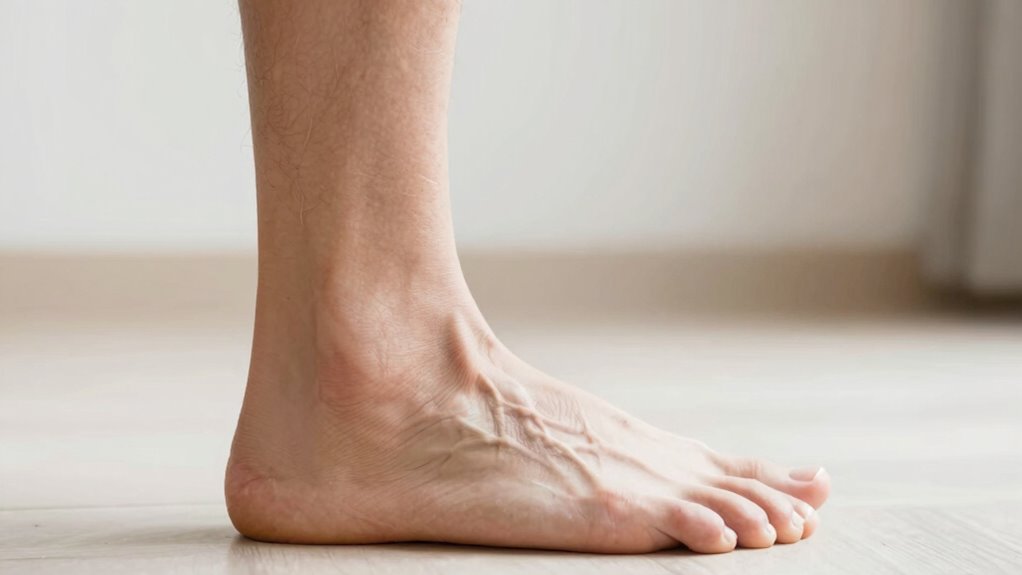
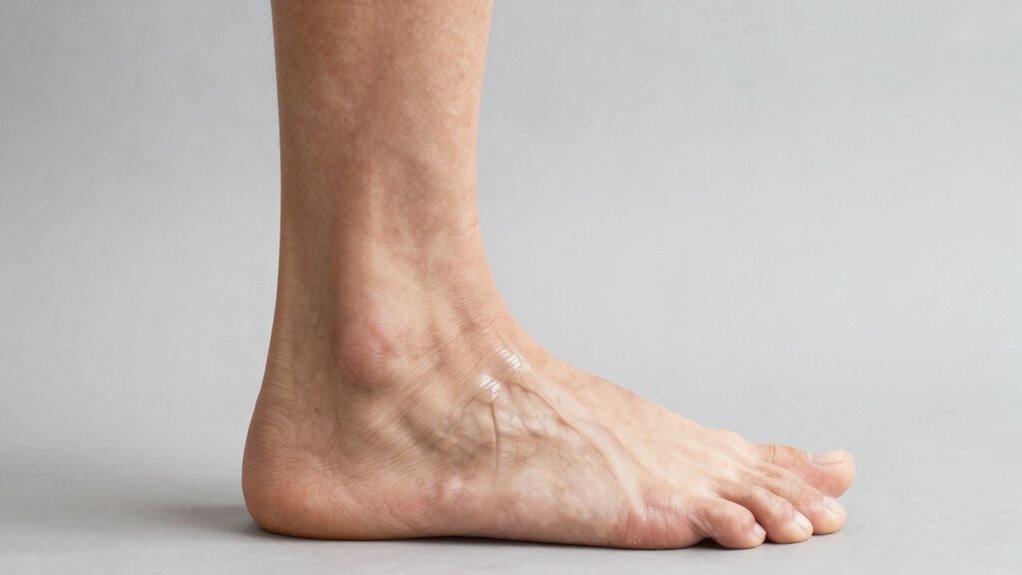
Proper alignment of the foot and calf is essential for overall mobility and injury prevention, and a detailed leg scan can reveal subtle misalignments that might otherwise go unnoticed. When you understand how your foot and calf are aligned, you gain valuable insights into your biomechanics, which can directly influence your posture and movement efficiency. This is where biomechanical analysis plays a vital role. It systematically evaluates how your muscles, joints, and bones work together during movement, helping to identify misalignments that may cause pain or predispose you to injury. By analyzing these factors, a leg scan offers an in-depth picture of your lower limb function, making it easier to address issues early on.
A detailed leg scan reveals subtle misalignments, offering vital insights for injury prevention and improved biomechanics.
Understanding your biomechanical analysis can also help tailor personalized corrective strategies, ensuring better long-term results. Your posture is closely tied to the alignment of your foot and calf. Misalignments in these areas can lead to compensatory movements higher up in your body, resulting in poor posture over time. For instance, if your calf muscles are tight or your foot is pronated, you might unconsciously shift your weight, affecting your hips, spine, and shoulders. A leg scan can detect these imbalances accurately, providing the data needed for effective posture correction. Additionally, early intervention based on precise biomechanical insights can prevent the development of chronic issues. Regular biomechanical assessments can help track progress and adjust interventions as needed, ensuring sustained improvements.
Furthermore, understanding the lower limb biomechanics allows for more targeted and effective treatment plans, reducing trial-and-error approaches. By correcting your posture based on precise biomechanical insights, you not only alleviate discomfort but also improve your overall movement patterns, making daily activities and athletic pursuits more efficient.
The features of a leg scan provide detailed information that goes beyond what the naked eye can see. It measures angles, joint alignments, muscle imbalances, and even the distribution of pressure across your foot. This level of detail helps you and your healthcare provider develop targeted interventions. For example, if the scan shows a tendency toward overpronation, you might benefit from orthotics or specific stretching exercises. These interventions, guided by biomechanical analysis, can correct misalignments over time, helping you maintain better posture and prevent future injuries.
In essence, leg scan features matter because they give you a clear, actionable understanding of your lower limb biomechanics. They enable precise posture correction and foster healthier movement habits. When you address subtle misalignments early with the help of detailed data, you set yourself up for improved mobility, reduced pain, and a lower risk of injury. It’s a proactive approach that emphasizes the importance of understanding your body’s mechanics, making sure your foot and calf alignment supports your overall health and performance.
foot and calf alignment scanner
As an affiliate, we earn on qualifying purchases.
As an affiliate, we earn on qualifying purchases.
Frequently Asked Questions
How Accurate Are Leg Scan Measurements Compared to Traditional Assessments?
Leg scan measurements are generally more accurate than traditional evaluations because they provide precise, real-time data using advanced imaging technology. Unlike traditional assessment, which relies on visual observation and manual measurements that can vary between practitioners, leg scans reduce human error and increase measurement accuracy. This makes them a reliable tool for assessing foot and calf alignment, helping you get a clearer picture of your biomechanics.
Can Leg Scans Detect Minor Misalignments Early?
Ever wondered if leg scans can catch tiny misalignments early? Yes, they can. Through detailed biomechanical analysis, leg scans identify subtle deviations that might otherwise go unnoticed. This early detection allows for targeted postural correction, preventing more serious issues down the line. By catching these minor misalignments early, you can improve overall alignment and reduce discomfort, making leg scans a essential tool in proactive health management.
Are Leg Scan Features Suitable for All Age Groups?
Leg scan features are suitable across all age groups, but you should consider age-specific adaptations and developmental considerations. For children, scans focus on growth patterns and early detection, while for adults, they emphasize maintaining alignment and preventing issues. As you age, scans may adapt to changing bone and muscle structures. Always guarantee the technology used accounts for these differences, allowing accurate assessments tailored to each age group’s unique needs.
How Often Should One Undergo a Leg Scan for Optimal Results?
You should consider undergoing a leg scan every 6 to 12 months for ideal results, depending on your age considerations and specific needs. Frequency guidelines suggest more frequent scans if you’re experiencing pain, undergoing treatment, or have a condition affecting alignment. As you age, regular scans help monitor changes, ensuring your foot and calf alignment stays on track. Consult your healthcare professional for personalized recommendations based on your age and health status.
Do Leg Scan Results Directly Influence Treatment Plans?
Did you know that over 80% of posture issues stem from misalignments detected through leg scans? Your leg scan results directly influence treatment plans by revealing subtle imbalances, allowing for a more holistic approach to posture correction. This, in turn, can enhance athletic performance and reduce injury risk. By addressing foot and calf alignment issues, your treatment becomes personalized, ensuring you achieve better movement and long-term health benefits.

Wearables for Movement Analysis in Healthcare
As an affiliate, we earn on qualifying purchases.
As an affiliate, we earn on qualifying purchases.
Conclusion
Understanding leg scan features is essential for proper foot and calf alignment, helping you identify issues early and prevent discomfort or injury. Did you know that misalignments can increase strain by up to 40%, leading to long-term problems? By paying attention to these features, you can make informed decisions about treatment and footwear, ultimately improving your overall mobility and comfort. Don’t overlook the importance of leg scans—they’re key to maintaining healthy, aligned legs for the long run.

Dr. Scholl's Heavy Duty Support Insole Orthotics, Big & Tall, 200lbs+, Wide Feet, Shock Absorbing, Arch Support, Distributes Pressure, Trim to Fit Inserts, Work Boots & Shoes, Men Size 8-14, 1 Pair
Specially designed for men over 200 lbs., tall and/or those with wide width feet
As an affiliate, we earn on qualifying purchases.
As an affiliate, we earn on qualifying purchases.

GGFSSQ Leg Correction Belt – Adjustable Posture Corrector Belt – O/X Air Pressure Corrector Bandage, Bow Leg corrector, Easy to Correct for Children and Adults
【O/X Leg Type Correction Belt】Correct Oshaped legs, X-shaped legs and helps correct unsightly leg bending caused by bad…
As an affiliate, we earn on qualifying purchases.
As an affiliate, we earn on qualifying purchases.